
Size
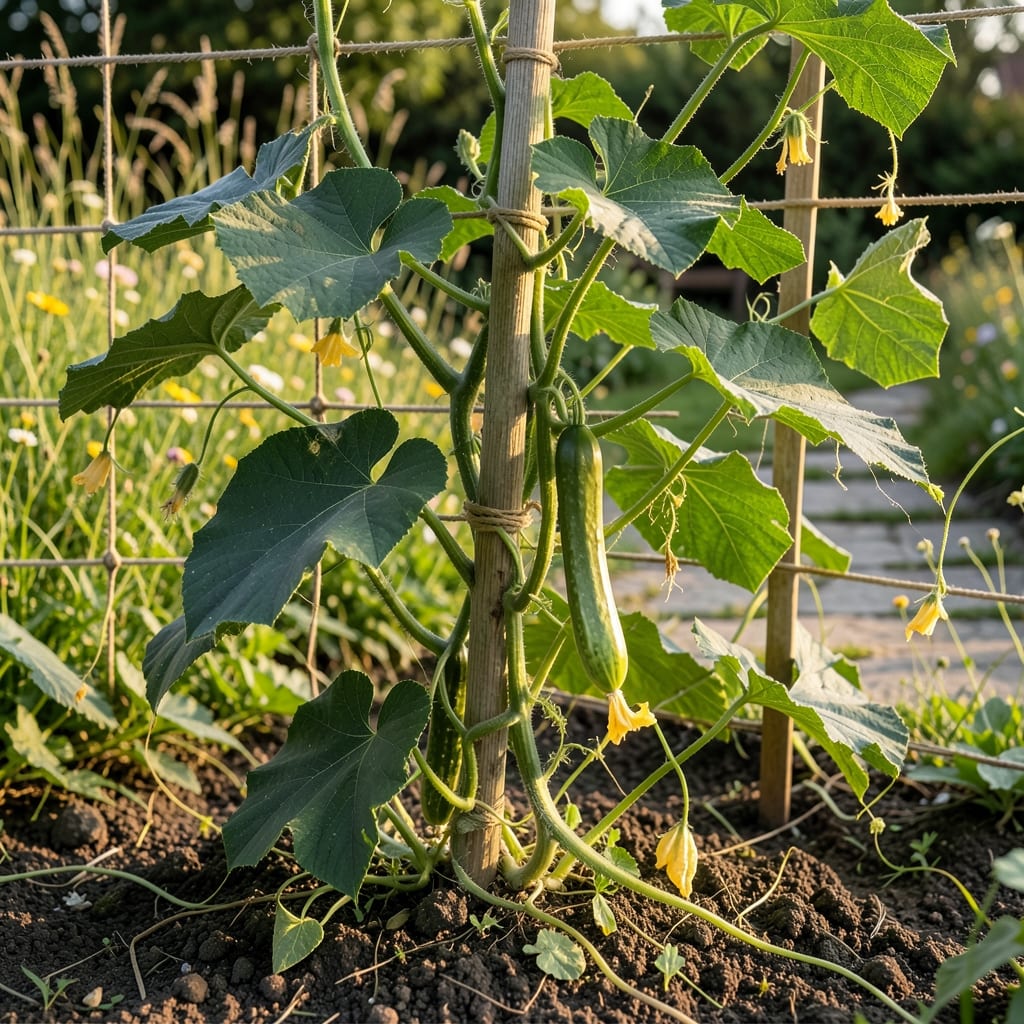
If you’ve ever wondered how tall cucumber plants grow, the answer might surprise you—some varieties stretch taller than a basketball hoop, while others stay neatly contained like a compact bush. 🥒 Whether you’re working with limited space or dreaming of a lush vertical garden, understanding these differences is the key to maximizing your harvest without sacrificing room for other plants.
Most cucumbers fall into two main categories: sprawling vines that can reach up to 20 feet or compact bush types that top out around 3-4 feet. The choice between them depends on your garden layout, support structures, and even the varieties you love. For example, 'Straight Eight' cucumbers love to climb, while 'Bush Champion' stays tidy—both produce delicious fruit, just in very different styles.
But here’s the game-changer: with the right techniques, you can control cucumber growth to fit your space. Trellises, pruning, and dwarf varieties all play a role in keeping vines in check while boosting yield. Let’s break down how to choose the right type for your garden and the simplest ways to manage their height—so you get more cucumbers with less hassle.
Ready to transform your garden into a productive, space-efficient cucumber haven? I’ll walk you through everything you need to know, from picking the perfect variety to setting up supports that actually work. Let’s get growing!


Cucumber plant height by type: vining vs bush varieties explained
When planning your garden, the first question I ask myself is: how tall will my cucumber plants grow? The answer depends entirely on the variety you choose. Cucumbers come in two primary forms: vining types that climb like jungle gyms and bush varieties that stay neatly contained. This difference isn’t just about aesthetics—it directly impacts your garden layout, support needs, and even your harvest potential.
Vining cucumbers are the classic sprawlers, capable of reaching 15 to 20 feet (or more!) when given proper support. These varieties are the stars of vertical gardens and trellises, producing long, vigorous vines that need guidance to grow upward. On the flip side, bush cucumbers stay compact, typically maturing between 2 to 4 feet tall, making them perfect for small spaces or container gardening.
Here’s the key difference: vining types need trellises or cages to prevent them from taking over your garden bed, while bush varieties thrive without support but still require proper spacing. The choice often comes down to your available space and how much maintenance you’re willing to handle—though I’ll share space-saving tricks later that make vining cucumbers much easier to manage!
If you’re short on space but love the idea of cucumbers, bush varieties are your best bet. They produce just as many fruits as their vining cousins but stay neatly contained—no sprawling vines to tangle with other plants. My personal favorite for small gardens is 'Bush Champion,' which matures quickly and stays under 3 feet tall while delivering crisp, sweet cucumbers.
For larger gardens or vertical spaces, vining types like 'Straight Eight' or 'Lemon Cucumber' are unbeatable. These varieties produce longer vines and higher yields when trained upward, but they require sturdy trellises or cages to prevent them from flopping onto the ground. Without support, they’ll sprawl everywhere, competing with other plants for sunlight and nutrients.
One common misconception is that taller cucumbers always mean better production. While vining types can produce more fruits, bush varieties often ripen faster and are easier to harvest. The trade-off? Bush cucumbers may need more frequent planting to match the yield of a single vining plant. It’s all about balancing your goals—whether that’s maximizing yield or saving space!
Pro tip: If you’re torn between types, consider semi-bush varieties like 'Sweet Success.' These hybrids grow 6 to 10 feet tall but require minimal support, making them a great middle-ground option. They’re perfect for gardeners who want some vertical growth without the full commitment of a trellis system.
No matter which type you choose, understanding their growth habits will help you plan your garden layout more effectively. Next, I’ll share my top strategies for controlling vine growth—because even the tallest cucumbers can be tamed with the right techniques! 🌱
Space-saving techniques for tall cucumber plants: trellises, pruning, and compact varieties
Tall cucumber vines can quickly turn your garden into a tangled mess if left unchecked—but with the right strategies, you can transform them into a neat, productive vertical display. 🌱 The key lies in support structures, pruning, and variety selection, all of which help control height while boosting fruit production. Whether you’re working with a small balcony or a sprawling backyard, these techniques will keep your cucumbers in line without sacrificing yield.
First, let’s tackle the most effective way to manage vining cucumbers: trellises. These structures aren’t just for aesthetics—they encourage upward growth, improve air circulation (reducing disease risk), and make harvesting a breeze. A 6-foot trellis can support varieties like 'Straight Eight' or 'Marketmore', while taller 10-12 foot lattice panels work for aggressive climbers like 'Armenian' cucumbers. For urban gardeners, even a simple A-frame trellis made from bamboo stakes and twine can work wonders in a small space.
🌿 Space-Saving Hacks for Tall Cucumbers
- Use vertical supports: Install trellises, cages, or stakes at planting to guide vines upward. Even a DIY wire mesh attached to a fence works!
- Prune strategically: Pinch off side shoots (suckers) to focus energy on main vines. Leave 2-3 leaves below each fruit to support growth.
- Choose dwarf varieties: 'Bush Champion' or 'Spacemaster' stay under 3 feet tall, perfect for containers or small gardens.
- Train vines upward: Gently weave new growth through trellis openings. Avoid tying vines tightly—let them climb naturally to prevent damage.
- Harvest frequently: Picking cucumbers every 2-3 days encourages more flowers and vines, keeping plants productive and compact.
If you’re short on space, compact cucumber varieties are a game-changer. 'Bush Champion' and 'Spacemaster' are bred to stay under 3 feet tall, making them ideal for containers, raised beds, or small gardens. These varieties produce just as many cucumbers as their vining counterparts but without the sprawl. For even smaller spaces, try 'Patio Snacker' or 'Sweet Success'—both thrive in 5-gallon pots and reach only 1-2 feet tall. Just ensure your container has drainage holes and is at least 12 inches deep to accommodate roots.
Pruning isn’t just for aesthetics—it’s a productivity hack. By removing side shoots (suckers), you redirect the plant’s energy into main vines and fruit production. Focus on keeping 2-3 strong vines per plant, pruning any that grow below the trellis or compete with fruit-bearing branches. Use clean, sharp pruners to avoid damaging the plant, and always cut just above a leaf node to encourage new growth. This method works especially well for heirloom varieties like 'Lemon Cucumber', which can become unruly without guidance.
For urban gardeners or those with limited ground space, vertical gardening is the ultimate solution. Repurpose old ladders, pallets, or wall-mounted trellises to create a cucumber "wall of green." Just ensure your structure is sturdy enough to support 10+ pounds of vines and fruit. In containers, use self-watering systems to maintain consistent moisture—cucumbers hate drying out! With the right setup, you can grow vining cucumbers in a 5-foot vertical space that would normally require 20 square feet of ground.
Remember, the goal isn’t just to control height—it’s to optimize your garden’s layout for maximum yield. By combining support structures, pruning, and compact varieties, you’ll create a cucumber-growing system that’s both space-efficient and high-producing. 🌿 Whether you’re a city dweller with a balcony or a suburban gardener with a small plot, these techniques will help you grow more cucumbers with less fuss.