
How To
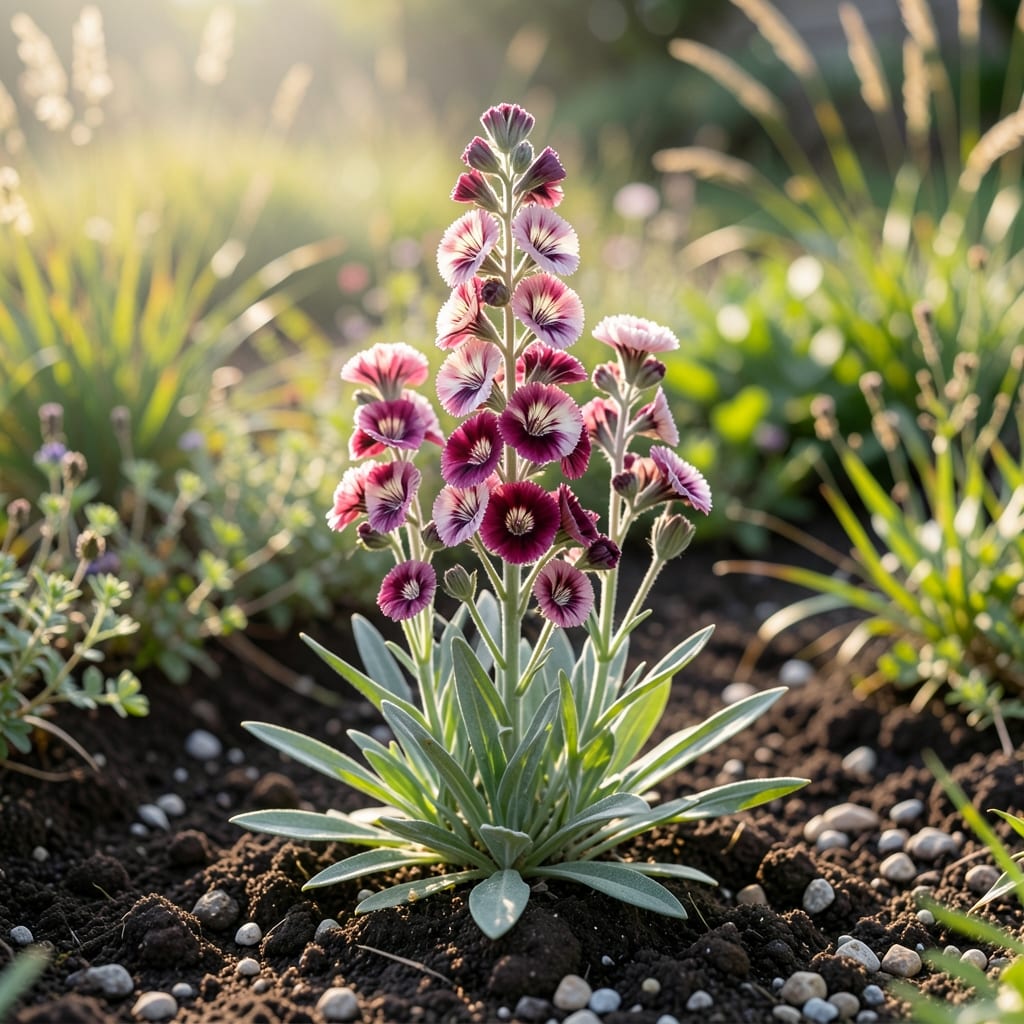
If you’ve ever wondered how tall dianthus grow and whether they’ll fit neatly in your garden beds or sprawl unpredictably, the answer depends on the variety you choose. These charming 🌸 flowers can range from dainty 6-inch mounds to striking 2-foot stalks, making them incredibly versatile for any space.
For gardeners with limited room, compact varieties like ‘Firewitch’ or ‘Matrona’ stay under 12 inches, perfect for window boxes or container gardens. Meanwhile, taller types such as ‘Superb’ or ‘Happy Single’ can reach up to 24 inches, adding vertical interest to borders or cottage-style plantings.
The key to managing their height lies in proper care—sunlight, soil, and pruning all play a role in shaping their growth. With the right techniques, you can encourage bushier blooms or taller stems, ensuring your dianthus thrive exactly where you want them.
Let’s explore how to pick the perfect variety for your garden and keep them at your ideal height—whether you prefer a low, lush carpet of color or dramatic vertical accents.

Dianthus height by variety: compact vs. towering bloomers
Dianthus plants are famous for their clustering blooms and clove-like fragrance, but their height can vary dramatically depending on the variety. Whether you're designing a small container garden or a large perennial border, choosing the right dianthus height ensures your space stays balanced and visually appealing. Some varieties stay as short as 3 inches, while others reach 24 inches—let’s explore the full spectrum!
Understanding dianthus height isn’t just about aesthetics; it also impacts airflow and sunlight exposure. Taller varieties need more space between plants to prevent crowding and disease, while dwarf types thrive in tight clusters. Root structure plays a key role too—perennial dianthus often develop deeper roots over time, supporting taller growth, while annual varieties may stay more compact unless staked.
Here’s a quick guide to help you visualize how different dianthus varieties compare in height:
| Variety | Height Range | Growth Habit | Best For |
|---|---|---|---|
| Dianthus barbatus (Sweet William) | 12–24 inches | Upright, bushy | Cut flowers, cottage gardens |
| Dianthus chinensis (Chinese Pink) | 6–12 inches | Compact, mounding | Containers, window boxes |
| Dianthus deltoides (Maiden Pink) | 3–6 inches | Low-growing, spreading | Rock gardens, borders |
| Dianthus gratianopolitanus (Cheddar Pink) | 6–12 inches | Clumping, woody base | Dry gardens, slopes |
| Dianthus 'Firewitch' (Hybrid) | 18–24 inches | Tall, sturdy stems | Back of borders, cuttings |
For container gardening, prioritize dwarf or semi-dwarf varieties like Dianthus chinensis or 'Firewitch' hybrids, which stay under 12 inches and thrive in 5-gallon pots. In contrast, Sweet William and taller hybrids need at least 12-inch spacing in garden beds to avoid competition for nutrients and sunlight.
One common mistake is assuming all dianthus grow the same height. For example, Dianthus deltoides (Maiden Pink) stays under 6 inches and spreads horizontally, making it perfect for rock gardens or edging. Meanwhile, Dianthus barbatus can reach 2 feet and benefits from staking or pruning to maintain an upright form. Always check the variety’s mature height before planting!
Soil type also influences height—well-draining, sandy soil encourages bushier growth, while rich, fertile soil can lead to taller but potentially floppier stems. If you’re growing dianthus in heavy clay, amend the soil with compost and perlite to prevent legginess. For taller varieties, a light application of balanced fertilizer (5-10-10) in early spring can promote stronger stems.
Pro tip: If you love the look of tall dianthus but have limited space, try growing them vertically. Use trellises or obelisks to train varieties like 'Firewitch' upward, saving floor space while still enjoying their showy blooms. This works especially well in small urban gardens or balcony containers.
Now that you know the height ranges, let’s talk about how to control growth—whether you want your dianthus to stay compact or reach for the sky. The next section covers pruning, pinching, and spacing tips to shape your plants exactly how you envision them!
How to control dianthus height for bushier or taller growth
If your dianthus plants are growing leggy or too tall for your garden design, don’t worry—you can easily guide their growth with a few simple techniques. The key to controlling height lies in pruning, pinching, and proper spacing. These methods encourage bushier growth or taller stems, depending on your needs, while keeping your plants healthy and vibrant.
For bushier dianthus, focus on pinching back the tips of new growth when they reach about 4-6 inches tall. This encourages the plant to branch out, creating a fuller, more compact shape. Repeat this process every 4-6 weeks during the growing season to maintain the desired form. Remember, consistent care is what yields the best results over time.
If you prefer taller dianthus stems, avoid heavy pruning and instead provide support stakes or cages to help them grow upright. Space plants 12-18 inches apart to allow airflow and reduce competition, which can lead to taller, straighter growth. Additionally, well-draining soil and full sun exposure promote stronger stems that naturally grow taller.
One common mistake gardeners make is over-fertilizing, which can lead to lush foliage but fewer blooms. Use a balanced fertilizer (5-10-10) sparingly—once every 4-6 weeks—to support growth without promoting excessive height. Pair this with regular watering in the morning to avoid fungal issues that can weaken stems.
For container-grown dianthus, choose dwarf varieties like 'Firewitch' or 'Matrona' to keep heights manageable. If your plants still outgrow their pots, prune back by one-third after flowering to maintain a tidy appearance. This also stimulates new growth for a second flush of blooms later in the season.
Seasonal adjustments are key: reduce watering in fall to signal dormancy, and avoid pruning in late summer if you want fall blooms. With these techniques, you’ll have perfectly sized dianthus that fit your garden vision—whether you love compact borders or tall, dramatic stems.