
Trees
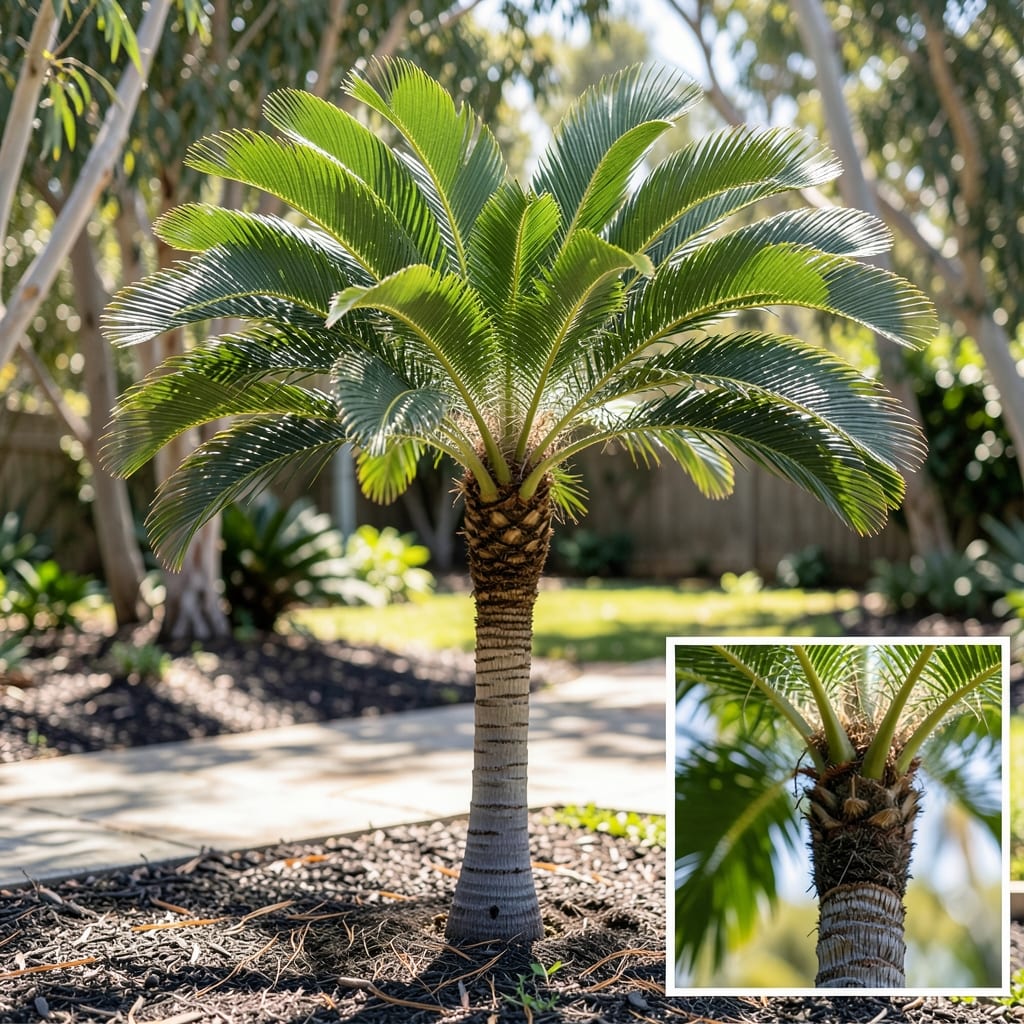
Wondering how tall do Alexander palms grow before they become a space hog? These stunning 🌴 tropical beauties typically reach 15 to 30 feet at maturity—but their growth habits make them far more versatile than you might expect.
What sets Alexander palms apart is their adaptability. Unlike their towering cousins, they grow at a moderate pace, making them ideal for both container gardens and landscape designs in zones 9b-11. Whether you're planning a small patio or a large backyard, understanding their growth patterns helps you choose the perfect spot.
In this guide, I’ll break down exactly how tall different varieties get, how quickly they grow, and the best conditions to keep them thriving. You’ll also discover whether they’re better suited for pots or planted in the ground—and how to give them the care they need to reach their full potential.
Ready to transform your outdoor space with a palm that’s as manageable as it is beautiful? Let’s dive into the details so you can make the best choice for your garden.


Alexander palm height by variety: exact mature sizes & growth rates
If you're considering adding an Alexander palm (Archontophoenix alexandrae) to your garden, knowing its mature height is crucial for planning. These palms typically reach 15 to 30 feet at full maturity, but growth rates and final size depend heavily on the variety and growing conditions. The most common type, Archontophoenix cunninghamiana, is often confused with the Alexander palm but has slightly different growth characteristics.
For a tropical oasis feel without overwhelming your yard, the Alexander palm is an excellent choice. Unlike fast-growing species like the Mexican fan palm, Alexander palms grow at a moderate pace, making them ideal for long-term landscaping. In optimal conditions, they can add 2 to 4 feet per year in their early years before slowing as they mature.
Here’s a quick reference for the most popular Alexander palm varieties and their mature heights:
While the standard Alexander palm thrives in full sun and well-draining soil, its growth can be stunted in shady or waterlogged conditions. For container gardening, opt for the dwarf variety (if available) or prune regularly to maintain height. In USDA Zone 10 or warmer, these palms can reach their full potential, while cooler climates may limit their growth.
To encourage faster growth, ensure your Alexander palm receives consistent moisture and a balanced palm fertilizer every 2–3 months during the growing season. Avoid overwatering, as soggy soil can lead to root rot and stunt growth. Mulching around the base helps retain moisture and regulate soil temperature, which is especially beneficial in hot, dry climates.
If you're planting multiple palms, consider their mature size when spacing them out. A 15-foot palm needs at least 10 feet of clearance from structures and other plants to prevent competition for nutrients and sunlight. In smaller yards, container growing is a great alternative, but choose a pot at least 2 feet wider than the palm’s trunk diameter to accommodate root growth.
One common misconception is that all Alexander palms grow to the same height. In reality, genetics, climate, and care practices play a significant role. For example, a palm in Florida’s humid climate may grow taller than one in Arizona’s arid conditions. Pay attention to your local microclimate and adjust care accordingly to maximize height potential.
For those in cooler climates (Zone 9b), consider planting near a south-facing wall to capture extra heat and extend the growing season. In container gardens, move pots indoors during winter if temperatures drop below 40°F, as cold stress can halt growth entirely. With the right conditions, your Alexander palm can become a stunning focal point in your landscape for decades.
🌴
How to space Alexander palms for optimal growth & landscape harmony
Proper spacing for Alexander palms isn’t just about aesthetics—it directly impacts their growth rate, health, and longevity. Since these palms can reach 15 to 30 feet tall, crowding them too closely leads to stunted growth, disease risk, and competition for nutrients. The key is balancing their mature size with your landscape’s layout while ensuring they get enough sunlight and airflow.
For standard Alexander palms (15–25 ft tall), aim for 10 to 12 feet of clearance between trunks. This spacing prevents root systems from overlapping, which can suffocate the palms and slow their vertical growth. In smaller yards or containers, reduce spacing to 6 to 8 feet, but monitor for signs of stress like yellowing fronds or slow growth.
Here’s how to space Alexander palms based on your garden setup:
- 🌳 In-ground planting: 10–12 ft apart for standard varieties; 8 ft apart for dwarf types (if available).
- 🪴 Container growing: Use pots 2+ feet wider than the trunk diameter and space containers 3–5 ft apart.
- ☀️ Sunlight exposure: Space palms closer (6–8 ft) if planting near a south-facing wall to maximize heat retention.
- 🌧️ Soil type: In clay-heavy soil, increase spacing to 12–15 ft to prevent waterlogging and root rot.
- 🌿 Companion plants: Pair with shorter shrubs (3–6 ft tall) or ground covers to fill gaps without competing for space.
If you’re planting multiple Alexander palms, consider their growth trajectory. For example, a 20-foot-tall palm planted near a 10-foot-tall structure will eventually cast deep shade, which can stunt growth. To avoid this, position palms so their canopy spreads evenly and doesn’t block sunlight from neighboring plants.
For container gardens, prioritize drainage and pot size. A pot that’s too small restricts root growth, leading to stunted height and poor health. Upgrade containers every 2–3 years to accommodate the palm’s expanding root system. In pots, palms grow 1–2 feet slower than in-ground plants, so plan accordingly if you’re aiming for a specific height.
One common mistake is ignoring the palm’s future height when designing landscapes. For instance, planting a 15-foot palm 5 feet from a fence will create a cramped, unbalanced look as it matures. Always visualize the palm’s mature canopy width (6–10 ft) and height to ensure harmony with your space.
🌿