
Size
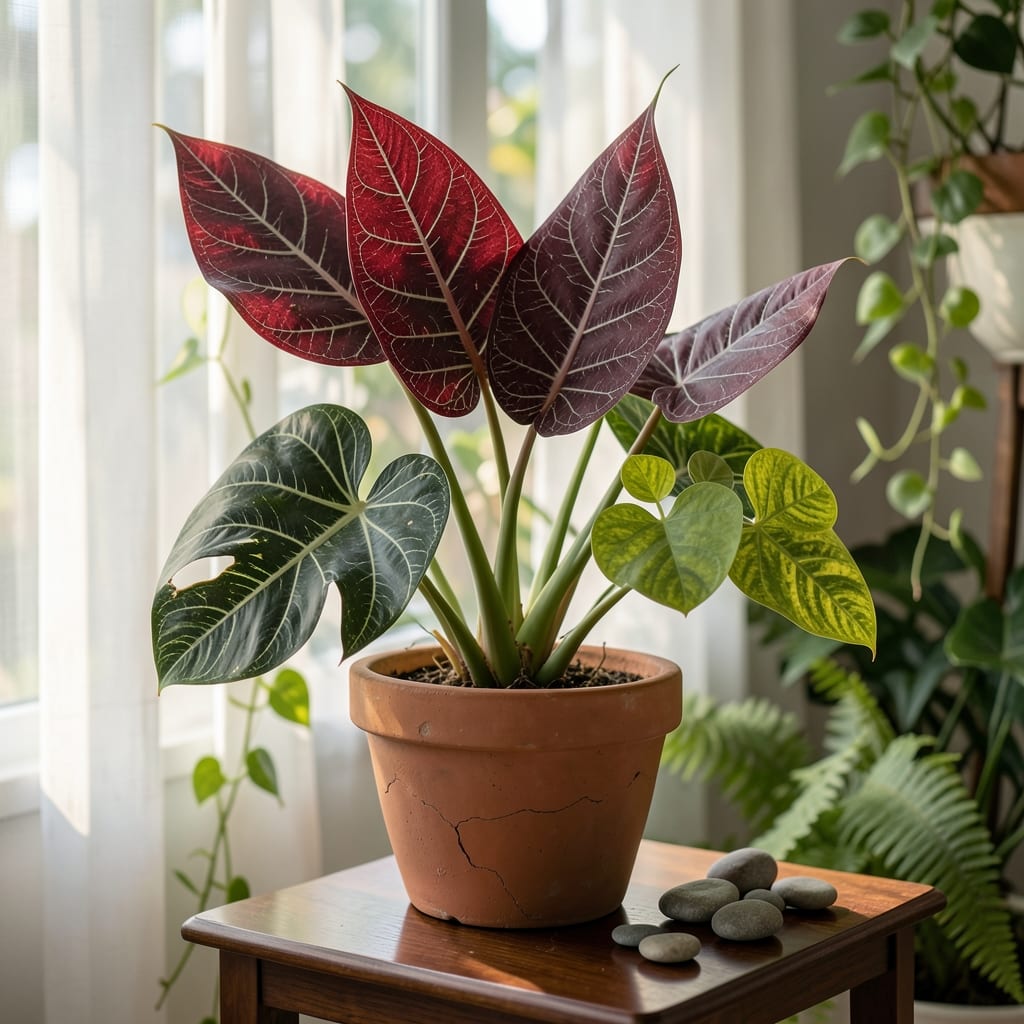
If you're wondering how tall do Alocasia grow, you're not alone—this stunning tropical plant can be both a showstopper and a space-challenger depending on the variety. Some Alocasia 🌿 species, like the towering Alocasia sarawakensis, can reach heights of 10 feet or more in ideal conditions, while others, such as the beloved Alocasia 'Polly', stay compact at just 1-2 feet tall.
But what makes the difference between a floor-filling giant and a petite tabletop plant? The answer lies in their care—light, humidity, and even the size of your pot play a huge role in how tall your Alocasia will grow. Whether you're dreaming of a dramatic statement plant or a manageable desktop beauty, understanding these factors is the key to getting the height you want.
In this guide, I’ll break down the height ranges for popular Alocasia varieties, explain how to maximize their growth (or keep them small), and share care tips to help your plant thrive—whether it’s indoors in your living room or outdoors in USDA zones 10-12. Ready to transform your space with the perfect-sized Alocasia?
Let’s dive into the world of these striking plants and discover how to nurture them to their full (or compact) potential—no surprises included!

Alocasia height by variety: from floor plants to small tabletop species
Alocasia plants are famous for their dramatic foliage, but their height varies wildly depending on the variety. Some stay small enough for a windowsill, while others become floor-dominating giants. If you're choosing an Alocasia, knowing its mature size helps you pick the perfect fit for your space—whether that's a cozy corner or a statement centerpiece.
The tallest Alocasia varieties can reach 10 feet or more in ideal conditions, while the smallest stay under 2 feet. Below, I’ve organized the most popular varieties by their mature height ranges, so you can visualize how they’ll fit into your home or garden.
🌿 Pro Tip: Heights listed are for indoor plants in average conditions. Outdoors in USDA zones 10-12, many varieties grow 2-3 feet taller due to more space and natural light.
If you're eyeing a miniature Alocasia like 'Polly' or 'Zebrina', you’ll love how they fit on shelves or desks. But if you're dreaming of a dramatic tropical look, varieties like 'Dragon Scale' or 'Josephii' will steal the show—just be prepared for their floor-to-ceiling presence.
🌱 Did You Know? Some Alocasia varieties, like 'Regal Shield', take 3-5 years to reach their mature height. Patience pays off with their stunning, elephant-ear-shaped leaves!
Now that you know the height ranges, let’s talk about how to
What determines Alocasia height: light, pot size & care mistakes that stunt growth
Alocasia height isn’t just about genetics—it’s heavily influenced by your care routine. The right light conditions, proper pot size, and consistent humidity can push your plant toward its maximum height potential, while common mistakes like underwatering or cold drafts can stunt growth dramatically. Let’s break down the key factors that determine how tall your Alocasia will grow.
First, light exposure is critical. Alocasia thrives in bright indirect light, ideally 6+ hours daily. Too little light slows growth, while direct sun can scorch those stunning leaves. Place your plant near an east or west-facing window—this gives them the perfect balance for steady, healthy growth. If you notice leggy stems or pale leaves, it’s a sign they’re stretching for more light.
Next, pot size matters. Alocasia roots need room to spread, but a pot that’s too large can lead to overwatering and root rot. Choose a container that’s 2-3 inches larger in diameter than the plant’s current root ball. If you’re growing a tall variety like Alocasia sarawakensis, opt for a deep pot to support its height. Repot every 2-3 years or when roots circle the pot.
⚠️ Care Mistakes That Stunt Growth
Overwatering: Soggy soil suffocates roots, halting growth. Let the top 1-2 inches of soil dry out between waterings.
Low humidity: Alocasia loves 60%+ humidity. Below 50% causes leaf browning and stunted growth. Use a humidifier or pebble tray.
Cold drafts: Temperatures below 60°F shock the plant. Keep it away from AC vents, doors, and windows in winter.
Nutrient deficiencies: Yellow leaves signal poor feeding. Use a balanced fertilizer (10-10-10) every 4-6 weeks in spring/summer.
Humidity is another game-changer. These tropical plants thrive in 60-80% humidity. If your home is dry (common in winter), use a humidifier, place the pot on a pebble tray, or group it with other tropical plants. Low humidity causes leaf edges to crisp, and the plant will focus energy on survival rather than growth.
Finally, temperature consistency is key. Alocasia hates sudden changes—keep it in 65-85°F ranges. Drafts from doors, windows, or HVAC systems can shock the plant, leading to slower growth or even leaf drop. If you’re growing outdoors in USDA zones 9-11, move it indoors before temperatures dip below 50°F at night.
By mastering these factors, you’ll give your Alocasia the best chance to reach its full height potential—whether that’s a compact 2-foot tabletop plant or a 6-foot indoor statement piece. Small adjustments in care can make a big difference in how tall (or manageable) your Alocasia grows! 🌿