
Size
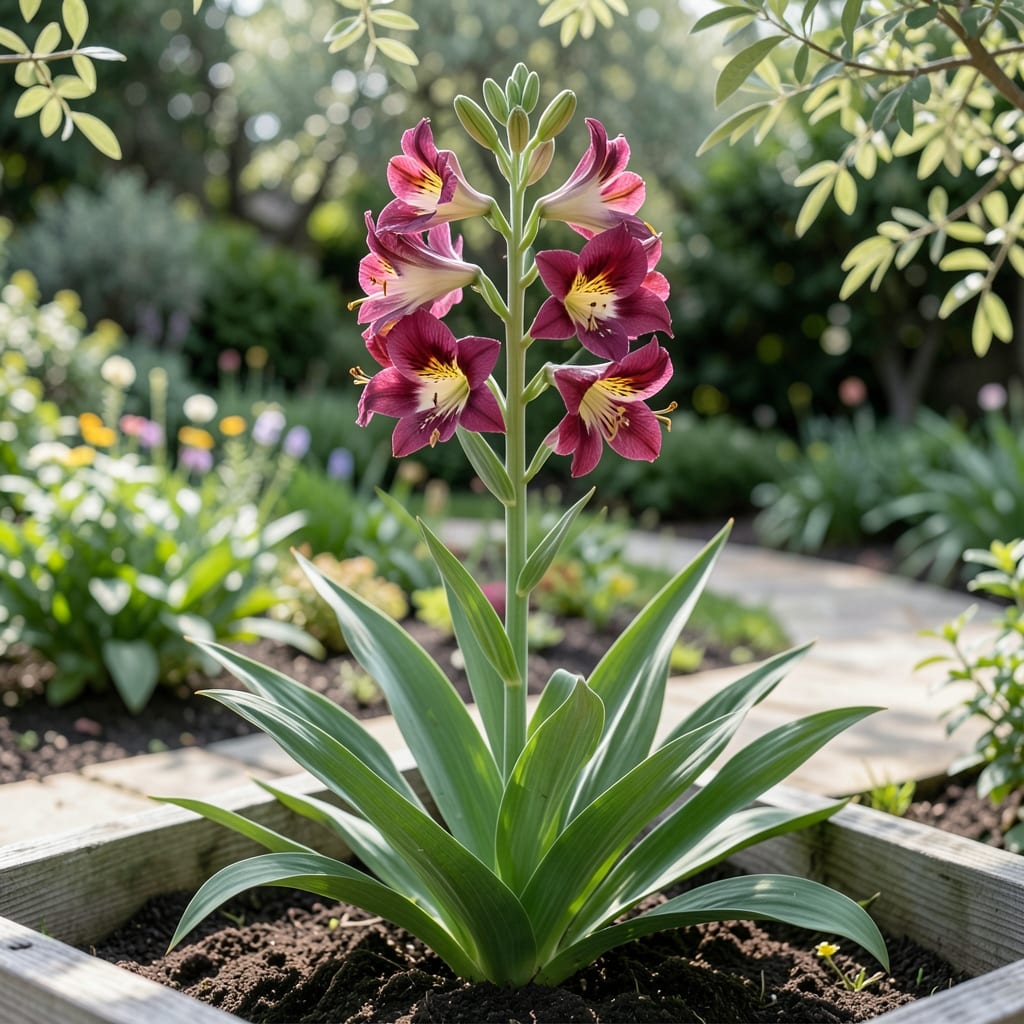
If you're wondering "how tall do alstroemeria grow", the answer might surprise you—these cheerful blooms can range from compact 12-inch patio darlings to towering 36-inch border stars, depending on the variety and care you provide. Whether you're dreaming of a vibrant garden border or a low-maintenance container display, understanding their height potential is the first step to making them thrive in your space.
The beauty of alstroemeria 🌸 lies in their versatility—some varieties stay neatly contained, perfect for edging walkways or filling window boxes, while others reach impressive heights, ideal for cut flower arrangements or dramatic garden accents. With the right growing conditions, you can influence their height, ensuring they fit seamlessly into your garden vision without taking over.
But here's the thing: their growth isn't just about genetics. Factors like sunlight, soil quality, and even pruning techniques can make a big difference in how tall—or short—your alstroemeria becomes. I'll walk you through the key factors that determine their height and share simple tips to guide their growth exactly where you want it.
From dwarf varieties that add color to small spaces to tall stalks perfect for bouquets, alstroemeria's height range makes them a gardener's dream. Let's dive into how you can harness their potential to create the perfect look for your garden, no matter your space or style.


Alstroemeria height ranges by variety: dwarf to giant types explained
Alstroemeria plants can range from compact patio varieties to towering border giants, making them incredibly versatile for any garden space. The height differences aren't just about aesthetics—they directly impact where you plant them, how you care for them, and even how you harvest their stunning cut flowers. Understanding these variations helps you choose the perfect variety for your design goals, whether it's a container garden or a wildflower meadow.
Most alstroemeria varieties fall into three main height categories: dwarf (8–18 inches), semi-dwarf (18–24 inches), and standard (24–48 inches). The dwarf types are ideal for window boxes and hanging baskets, while the taller varieties excel in border plantings and cutting gardens. Even within these categories, individual plants can vary by 6–12 inches depending on growing conditions.
For example, the 'Regina' series typically reaches 24–36 inches at maturity, making it perfect for back-of-border plantings or as a supporting plant for taller perennials. In contrast, 'Dwarf Pink' alstroemeria maxes out around 12–18 inches, ideal for container displays on patios or rock gardens. These height differences also influence how you'll need to prune and stake your plants to maintain their shape and health.
| Variety | Height Range | Best For | Sun Needs |
|---|---|---|---|
| 'Dwarf Pink' | 12–18 inches | Containers, window boxes | Full sun to part shade |
| 'Regina Series' | 24–36 inches | Border plantings, cut flowers | Full sun |
| 'White Lady' | 18–24 inches | Mixed borders, mass plantings | Full sun to part shade |
| 'Pink Starburst' | 30–48 inches | Tall borders, cutting gardens | Full sun |
| 'Purple Sensation' | 20–30 inches | Container gardens, patio displays | Full sun to part shade |
Your growing conditions play a huge role in determining how tall your alstroemeria will grow. Plants in full sun (6+ hours daily) tend to reach their maximum height potential, while those in partial shade may stay shorter and bushier. For example, a 'Regina' series plant in full sun might hit 36 inches, but the same variety in partial shade could max out at 28 inches. This flexibility makes alstroemeria adaptable to various garden layouts.
Soil quality also impacts height—well-draining, nutrient-rich soil encourages taller, stronger growth, while poor or compacted soil can stunt plants and make them more prone to flopping. If you're growing alstroemeria in containers, choose pots with at least 12-inch depth to accommodate root growth and support taller varieties. Smaller containers work for dwarf types but may limit the height of standard varieties.
Another factor to consider is pruning habits. Regular deadheading (removing spent blooms) encourages more compact growth and prevents legginess, while minimal pruning allows plants to reach their full height potential. If you're growing alstroemeria for cut flowers, you'll want to avoid heavy pruning to maintain stem length and strength. For landscape plantings, light pruning keeps plants neat and prevents them from becoming too top-heavy.
For first-year plants, expect heights to be on the shorter side—12–24 inches—as they focus on establishing roots. By their second year, most varieties will reach 70–90% of their mature height, with full maturity typically occurring in years 3–4. This gradual growth makes alstroemeria a low-maintenance choice for gardeners who want long-term color without annual replanting.
If you're using alstroemeria in container gardens, opt for dwarf or semi-dwarf varieties to prevent overcrowding. Taller varieties can work in containers but may require staking or cage supports to maintain upright growth. For cutting gardens, taller varieties like 'Pink Starburst' provide longer stems, while dwarf types work well in bouquet arrangements as filler flowers.
Pro tip: If you're unsure about height, start with a mix of varieties in your garden. This creates visual interest while giving you flexibility to adjust future plantings based on how each type performs in your specific microclimate. Alstroemeria's adaptability makes them a garden workhorse—once you understand their height ranges, you can confidently plan your entire seasonal display around them.
Alstroemeria height ranges by variety: dwarf to giant types explained
Alstroemeria plants can grow anywhere from 12 inches to 4 feet tall, depending on the variety and growing conditions. If you're planning a garden bed or container display, choosing the right type ensures your plants fit your space perfectly. Dwarf varieties like 'Mini Star' stay compact at 12–18 inches, making them ideal for window boxes or small pots, while taller types like 'Regina' can reach 36–48 inches, perfect for borders or cut flower arrangements.
Most gardeners assume all alstroemeria are medium-sized, but the truth is far more diverse. The key to selecting the right variety lies in understanding how light exposure, soil quality, and pruning habits influence height. For example, 'Pink Star' typically grows 24–30 inches, while 'White Lady' can stretch to 36 inches under ideal conditions. Even within the same variety, height can vary by 10–15% based on care.
Here’s how to visualize the height differences at a glance:
| Variety | Height Range | Best For | Sun Needs |
|---|---|---|---|
| 'Mini Star' | 12–18" | Containers, window boxes | Full sun |
| 'Pink Star' | 24–30" | Borders, cut flowers | Full sun to part shade |
| 'Regina' | 36–48" | Back of borders, tall arrangements | Full sun |
| 'White Lady' | 30–36" | Cut flowers, mixed beds | Full sun |
If you're growing alstroemeria for cut flowers, taller varieties like 'Regina' or 'White Lady' will give you longer stems, but they need staking to prevent flopping. For container gardens, stick to dwarf types like 'Mini Star'—they thrive in 5–7 gallon pots with minimal support. Even within the same variety, height can shift based on soil fertility and watering consistency, so monitor growth and adjust care as needed.
One common mistake is assuming all alstroemeria need the same care. Dwarf varieties often bloom earlier and stay shorter because they focus energy on producing flowers rather than vertical growth. Meanwhile, taller types invest more in stem development, which is why they require stronger supports and richer soil to reach their full potential. For example, adding compost or a balanced fertilizer (like 5-10-10) can boost height by 10–15% in standard varieties.
For gardeners in USDA Zones 6–9, height differences become even more noticeable. In cooler climates, alstroemeria may grow 10–15% shorter due to slower spring growth, while warmer zones can push taller varieties to their maximum height. If you're in a hot, dry climate, mulching and consistent watering will help maintain height by reducing stress on the plant. Conversely, in shady conditions, expect alstroemeria to grow 20–30% shorter unless you supplement with grow lights.
Pro tip: If you love the look of tall alstroemeria but lack space, try pruning the stems in early summer to encourage bushier growth. This won’t reduce the plant’s natural height but will make it more compact and full. For the best results, pinch back stems when they reach 18–24 inches—this triggers branching and more blooms at a manageable height. 🌸