
Size
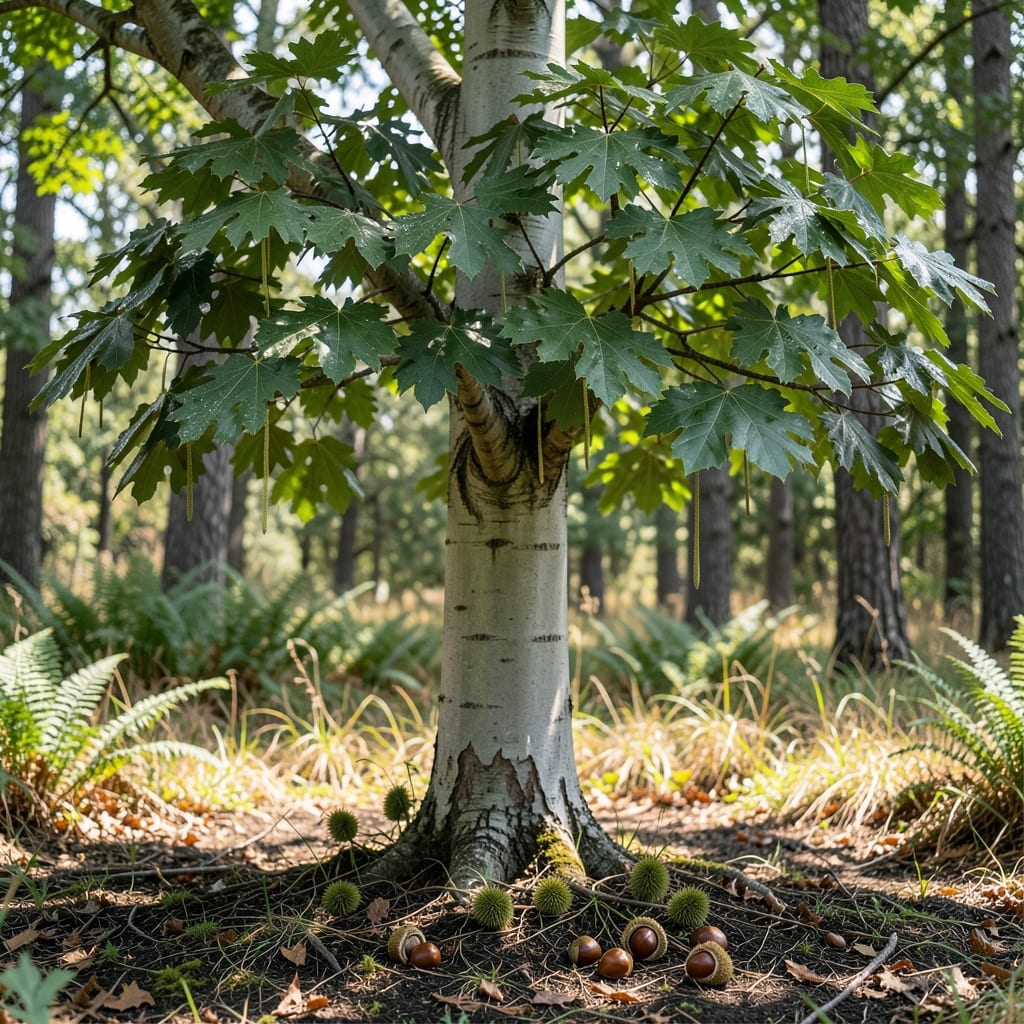
If you're dreaming of planting an American Chestnut Tree 🌳 but wondering how tall these trees grow, the answer might surprise you—these giants of the forest can reach heights of 50 to 80 feet at maturity. That's taller than a 5-story building, making them a statement piece for large landscapes or forests, but a tricky fit for smaller yards.
Native American chestnuts were once towering dominants in eastern U.S. forests, but blight-resistant hybrids now offer gardeners a chance to restore them. Whether you're considering a standard variety or a carefully bred hybrid like 'Dunstan,' understanding their growth potential helps you plan for long-term care and spacing.
Growth rates vary based on soil quality, sunlight, and climate—especially in USDA Zone 6a. In ideal conditions, these trees can grow 2 to 4 feet per year in their early years, but their final height depends on genetics, pruning, and environmental factors. Let’s break down what you need to know to choose the right variety for your space.
From dwarf-like hybrids (though none exist naturally) to full-sized giants, we’ll explore how to control height through pruning and care. Whether you're restoring a forest or adding a majestic tree to your property, this guide ensures you’re prepared for the American Chestnut’s impressive stature.


American chestnut tree height by variety: from dwarf to giant
The American chestnut tree (Castanea pectinata) can reach staggering heights—typically between 50 to 80 feet at maturity, with some historic specimens towering over 100 feet. However, modern blight-resistant hybrids and grafting techniques now offer options for gardeners with limited space. Understanding these height variations helps you choose the right variety for your landscape, whether you're planting in a backyard oasis or a restoration project.
Native American chestnuts were once giants of the forest, but today's hybrid varieties like 'Dunstan' and 'Monument' are bred for resilience and manageable growth. While no true dwarf varieties exist, grafting onto smaller rootstock can influence height. For example, a standard American chestnut might reach 60-70 feet, while a grafted hybrid could stay under 40 feet with proper care. Let’s break down the height ranges by variety so you can plan accordingly.
American Chestnut Tree Height Guide
| Variety | Mature Height | Growth Rate | Best For |
|---|---|---|---|
| Native American Chestnut | 50–80 ft | 2–4 ft/year (young) | Wild restoration, large properties |
| 'Dunstan' Hybrid | 40–60 ft | 1–3 ft/year | Urban landscapes, parks |
| 'Monument' Hybrid | 35–50 ft | 1–2 ft/year | Residential yards, small estates |
| Grafted on Dwarf Rootstock | 20–30 ft | 0.5–1.5 ft/year | Container growing, small gardens |
The 'Dunstan' hybrid is one of the most popular choices for gardeners today, thanks to its blight resistance and more manageable height of 40–60 feet. This makes it ideal for urban landscapes where space is limited but you still want the iconic chestnut tree experience. If you're restoring a forest or have a large property, the native variety can reach 80 feet or taller, providing shade and wildlife habitat on a grand scale.
For those with small yards or containers, grafting onto dwarf rootstock is your best bet—though true dwarf varieties don’t exist. These grafted trees typically stay between 20–30 feet, perfect for patios or small gardens. Just remember, even dwarf chestnuts will need regular pruning to maintain their size and shape over time.
Genetics play a huge role in height. A tree grafted onto a wild-type rootstock will grow taller than one grafted onto a slow-growing hybrid rootstock. If you're unsure, ask your nursery about the rootstock used—they can provide insights into how tall your tree might grow. For example, a 'Monument' hybrid grafted onto a standard rootstock could reach 50 feet, but the same variety on a dwarf rootstock might only hit 30 feet.
Another factor to consider is the canopy spread, which can be just as wide as the tree’s height. A mature American chestnut might spread 30–50 feet, so spacing is critical. Plant at least 50 feet apart for full-sized trees to avoid root competition and ensure both trees thrive. In smaller spaces, opt for the 'Monument' hybrid or grafted varieties, spacing them 20–30 feet apart.
Historically, American chestnuts were ecological powerhouses, supporting wildlife like deer, squirrels, and birds. Their height made them dominant canopy trees, but modern hybrids are bringing back that ecosystem value in a more manageable package. Whether you're planting for shade, nuts, or restoration, choosing the right height variety ensures your tree fits your vision—and your space.
Pro tip: If you're planting near power lines or structures, always check local regulations. Some hybrids like 'Dunstan' can still grow tall enough to pose risks if not pruned regularly. Start with a smaller variety if you're in an urban area to avoid future headaches.
Factors that determine American chestnut tree height and growth rate
American chestnut trees don’t grow to their full 50–80 foot potential by chance—it’s a mix of genetics, environment, and care. While 'Dunstan' hybrids might stay shorter, even these can reach 40–60 feet if given ideal conditions. Understanding these factors helps you optimize growth for your specific climate and soil type, ensuring your tree thrives without unexpected surprises.
The most critical factor is soil quality. American chestnuts prefer well-draining, slightly acidic soil (pH 4.5–6.5). Compacted or alkaline soils stunt root development, slowing height growth by up to 50%. Amend heavy clay with compost or sand to improve drainage, and test your soil’s pH before planting. Poor soil can turn a 60-foot tree into a 30-foot shrub over time.
Key Growth Factors for American Chestnut Trees
- Soil Quality: Well-draining, acidic soil (pH 4.5–6.5) boosts growth by 30–50%.
- Sunlight: 6–8+ hours of direct sun maximizes annual growth by 1–3 feet.
- Watering: Deep weekly watering in dry spells prevents stunted growth.
- Climate Zone: Thrives in USDA Zones 4–8; colder zones slow early growth.
- Pruning: Strategic pruning can reduce height by 10–30% if done annually.
Sunlight is another game-changer. American chestnuts need full sun (6–8+ hours daily) to reach their maximum height. In shady conditions, growth rates drop to 0.5–1 foot per year instead of the 2–4 feet seen in sunny spots. If your yard has partial shade, consider planting near the south-facing side of your property to maximize sunlight exposure.
Watering habits also play a surprising role. Young trees (5 years old) need deep weekly watering to establish strong roots, while established trees tolerate drought better. Overwatering or inconsistent moisture can lead to root rot, which stunts height growth and weakens the tree. Mulch around the base to retain moisture and regulate soil temperature—this simple step can add 1–2 extra feet to your tree’s mature height.
Your climate zone affects growth rates too. In warmer zones (7–8), trees grow faster due to longer growing seasons, while cooler zones (4–6) see slower early growth. For example, a chestnut in Zone 7 might reach 50 feet in 20 years, while the same tree in Zone 5 could take 25 years. If you’re in a cooler zone, plant in a south-facing, sheltered spot to extend the growing season.
Finally, disease resistance and rootstock influence height. Blight-resistant hybrids like 'Monument' grow slower than native varieties, but their resilience means they live longer and reach their full height potential. Always ask your nursery about the rootstock—some dwarf rootstocks can keep a tree under 30 feet, while standard rootstocks allow full growth. Pairing the right variety with proper care ensures your tree grows to the height you envision.
Pro tip: Monitor your tree’s growth annually. If it’s growing slower than expected, check for nutrient deficiencies (yellow leaves) or pests