
Vegetables
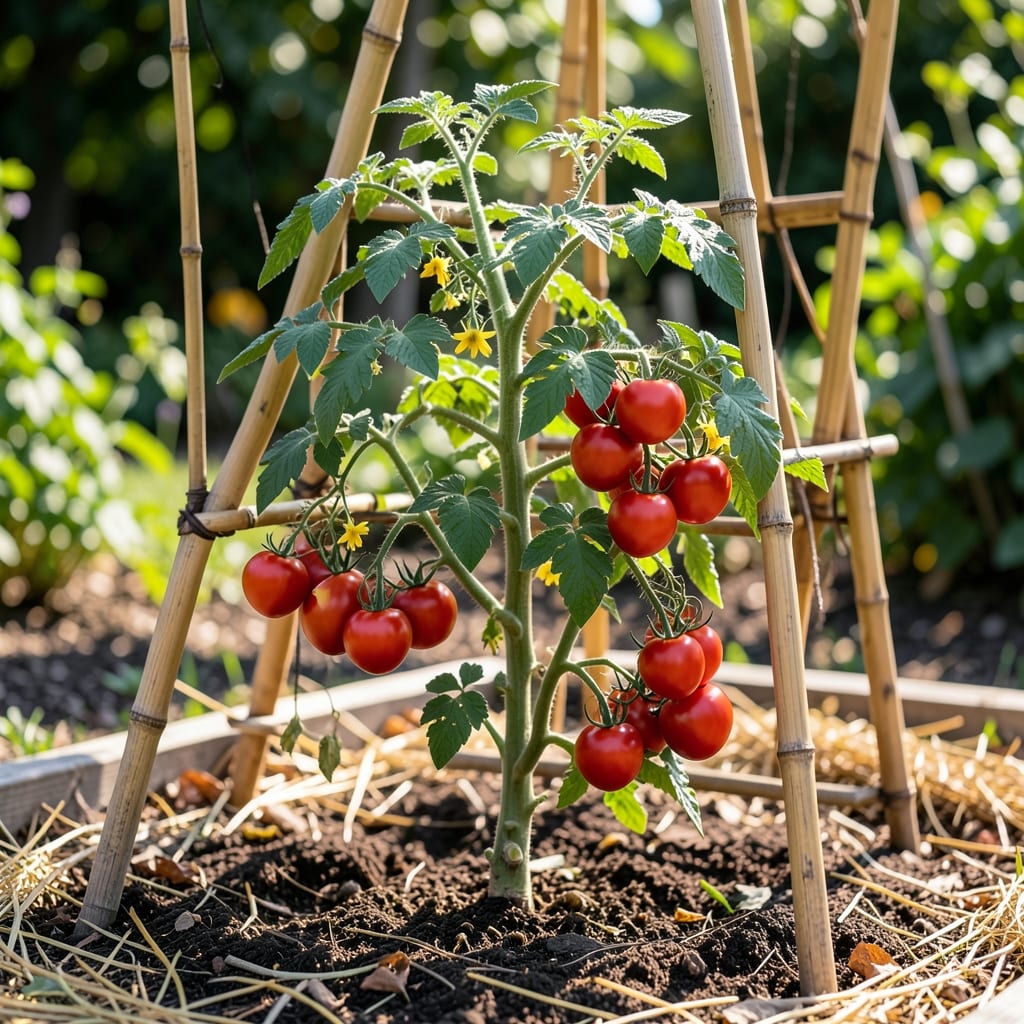
If you’ve ever wondered how tall do Amish Paste tomatoes grow, you’re not alone—these 🍅 powerhouses can reach heights that surprise even seasoned gardeners. Unlike their compact cousins, Amish Paste varieties are indeterminate, meaning they don’t stop growing until frost hits, often stretching between 4 and 6 feet with proper care.
But here’s the thing: their towering vines aren’t just for show. When trained correctly, they become a sauce-making machine, producing pounds of sweet, meaty fruit perfect for canning and paste. The key? Knowing how to guide their growth—whether you’re working with limited space or aiming for maximum yield.
In this guide, I’ll break down everything you need to know, from typical height ranges to practical tips for keeping them manageable. Whether you’re a first-time gardener or a veteran grower, you’ll learn how to coax the best from these prolific plants without letting them take over your backyard.
Ready to turn those towering vines into a harvest of flavor? Let’s dive in.

Amish Paste tomato height by variety: indeterminate vs determinate growth patterns
Amish Paste tomatoes are legendary for their sauce-making potential, but their growth habits can vary dramatically depending on the variety. Most classic Amish Paste tomatoes are indeterminate, meaning they grow continuously until frost—typically reaching 4 to 6 feet tall with proper care. However, some heirloom or hybrid versions may exhibit determinate (bush) growth, staying closer to 3 to 4 feet.
The key difference lies in their vine structure. Indeterminate varieties produce unlimited growth and require staking or trellising, while determinate types grow to a fixed height and produce fruit in clusters near the top. For sauce lovers, indeterminate types are often preferred because they yield fruit all season long, whereas determinate varieties produce a single, heavy harvest.
Here’s how typical Amish Paste varieties compare in height and growth habits:
| Variety Type | Growth Habit | Mature Height | Notes |
|---|---|---|---|
| Classic Amish Paste | Indeterminate | 4–6 ft | Continuous fruiting; needs support |
| Amish Paste 'Red' | Indeterminate | 5–6 ft | Classic heirloom; high yield |
| Amish Paste 'Pink' | Indeterminate | 4–5 ft | Slightly shorter; sweeter flavor |
| Amish Paste 'Determinate' | Determinate | 3–4 ft | Bushier; fewer vines, earlier harvest |
If you’re growing Amish Paste tomatoes in a small-space garden, look for semi-determinate varieties or prune indeterminate types aggressively. These plants are heirloom powerhouses, but their height can be managed with the right techniques—more on that in the next section!
Pro tip: For maximum sauce production, let indeterminate varieties grow tall—they’ll keep producing fruit until frost. But if space is tight, a 4-foot trellis can work wonders for keeping vines in check while still delivering a bountiful harvest.
One common misconception is that taller plants always mean better yields. While indeterminate types produce fruit all season, their fruit size and quality can suffer if vines become overcrowded. That’s why pruning and training are critical for balancing height and productivity.
For those in cooler climates (USDA Zones 4–6), Amish Paste tomatoes may not reach their full height due to shorter growing seasons. In these areas, focus on early planting and season extension to coax the most growth from your vines.
🌱
How to train Amish Paste tomatoes for compact growth without sacrificing yield
Amish Paste tomatoes thrive when given room to sprawl, but their 4–6 foot vines can overwhelm small gardens if left unchecked. The good news? With the right techniques, you can guide their growth to save space while keeping yields high. I’ve trained these plants in containers, along trellises, and even in tight urban plots—here’s how to do it right.
Start by choosing the right support system. Stakes or cages work well for smaller gardens, while strong trellises or tomato towers are ideal for vertical growth. For maximum compactness, opt for a 3–4 foot trellis—this encourages upward growth while keeping the plant manageable. The key is to train vines early, within the first few weeks after transplanting.
Pruning is your best friend for controlling height. Remove suckers (side shoots) regularly—these grow between the main stem and branches—and focus on keeping the plant’s energy on fruit production. Aim to prune once every 2–3 weeks during peak growth (June–August). This not only limits height but also improves air circulation, reducing disease risk.
Step-by-Step Training Guide
- Week 1–2: Install support (stakes, cages, or trellis) at planting.
- Week 3–4: Begin tying main stem to support with soft ties (avoid wire that can damage stems).
- Week 5–6: Prune suckers to ¼ inch—focus on lower stems first.
- Week 7–8: Trim back any leggy growth to encourage bushier, more compact structure.
- Ongoing: Continue pruning suckers and tying vines every 2–3 weeks.
For small gardens or containers, consider topping the plant in late summer. Pinch off the top growth when the plant reaches your desired height (e.g., 4 feet). This signals the plant to focus on ripening existing fruit rather than growing taller. Just be sure to do this 4–6 weeks before your first frost to allow time for harvest.
Watering and feeding also play a role in managing height. Deep, consistent watering (1–2 gallons per plant, 2–3 times per week) prevents leggy growth caused by stress. Use a balanced fertilizer (5-10-10) every 4–6 weeks to support strong, compact growth without excessive vine elongation. Avoid over-fertilizing with nitrogen—this promotes leafy growth at the expense of fruit.
Pro tip: If you’re growing in containers, choose a 5-gallon pot or larger to accommodate roots and support stakes. Smaller pots restrict growth but may limit yield, so balance size with your space constraints. With these techniques, you can enjoy heirloom-quality tomatoes without sacrificing garden real estate.