
Flowers
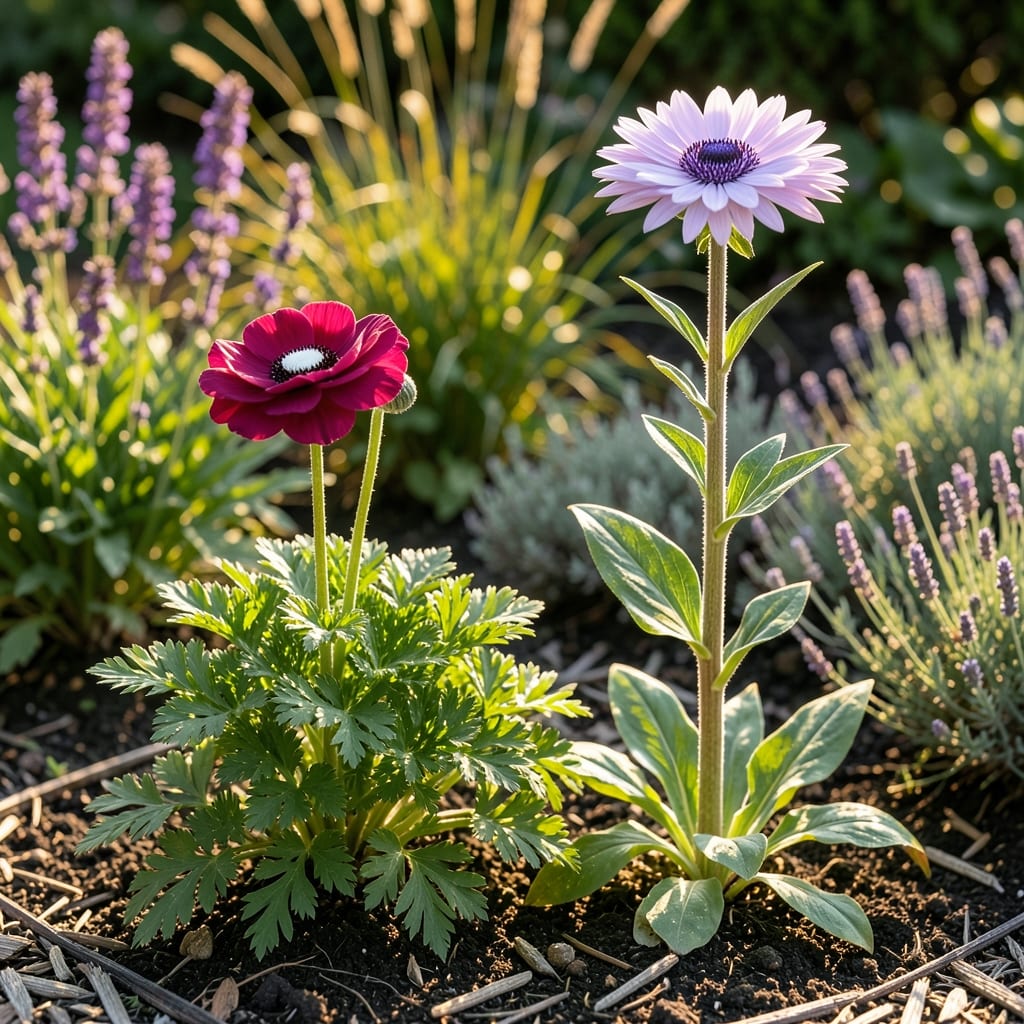
If you’ve ever wondered how tall do anemone flowers grow, the answer might surprise you—these delicate 🌸 beauties can range from just 1 foot to towering over 4 feet depending on the variety and growing conditions. Whether you’re dreaming of a cottage-garden border or a low-maintenance container display, knowing the height differences helps you plan the perfect spot for these versatile perennials.
Some anemones, like the dwarf varieties, stay compact and charming, making them ideal for edging pathways or filling small garden nooks. Others, such as the tall Japanese anemone, can reach impressive heights, adding drama to the back of a border or mixed perennial bed. The key to unlocking their full potential? Understanding their growth habits and the conditions they thrive in.
From USDA Zone 6a gardens to containers on patios, anemones adapt beautifully—but their height can shift based on sunlight, soil, and even when you plant them. Whether you’re a seasoned gardener or just starting, these insights will help you choose the right type and care for them to reach their best possible height.
Ready to transform your garden with anemones? Let’s dive into the varieties, growing tips, and tricks to keep them thriving—no matter how tall (or short) you want them to be.


Anemone flower height ranges by popular varieties
Anemone flowers come in a stunning array of heights, from delicate dwarf varieties perfect for borders to towering tall perennials that anchor garden backdrops. The height of your anemones depends largely on the specific variety and species, with some reaching just 1 foot while others soar to 4 feet or more. Understanding these differences helps you plan your garden layout for maximum visual impact.
For instance, Anemone coronaria (commonly called windflower) typically stays between 12 to 24 inches tall, making it ideal for rock gardens or container plantings. On the other end of the spectrum, Japanese anemones (Anemone hupehensis) can grow 3 to 5 feet tall, providing dramatic vertical interest in perennial borders or mixed borders. These variations mean you can easily find an anemone to fit any garden space.
Here’s how to visualize the height differences among popular varieties—this comparison table breaks down mature heights, ideal planting spots, and unique characteristics to help you choose the perfect anemone for your garden:
If you’re designing a small garden, opt for dwarf varieties like Anemone blanda or Anemone nemorosa, which stay under 12 inches and thrive in tight spaces. For a statement-making focal point, Japanese anemones are unbeatable—their 4-foot height adds drama to any landscape. Pair taller varieties with low-growing companions like heuchera or ajuga to create a layered, textured look.
Another tip: Fall-blooming anemones, such as Anemone hupehensis, provide late-season color when many other perennials have faded. Their tall stems also make them excellent for cut flower arrangements, adding height and elegance to bouquets. Just be sure to support them with stakes if they’re planted in windy areas.
For container gardening, Anemone coronaria is a fantastic choice—its compact size fits beautifully in 10- to 12-inch pots, where it can spill over edges or stand upright as a focal point. Mix it with trailing plants like sweet potato vine or upright varieties like snapdragons to create a dynamic display. Just ensure your container has adequate drainage, as anemones dislike soggy roots.
When planning your garden, consider not just the height of anemones but also their spreading habit. Some varieties, like Anemone × hybrida, form clumping growth that stays contained, while others may spread slightly over time
How growing conditions affect Anemone flower height
You might have picked the perfect anemone variety for your garden, but did you know that growing conditions can dramatically alter how tall they grow? While Anemone hupehensis might reach 5 feet under ideal circumstances, poor soil or too much sun could leave it stunted at just 2 feet. Understanding these factors ensures your anemones reach their full potential height—or stay compact if you prefer.
Sunlight is one of the biggest influencers. Most anemones thrive in partial shade, with 4-6 hours of morning sun being ideal. Too much direct sun can cause leggy growth and reduce bloom quality, while too little light may result in shorter, weaker stems. For example, Anemone coronaria planted in full shade might only reach 10 inches instead of its usual 12-24 inches. Always place taller varieties like Japanese anemones where they’ll get dappled sunlight rather than harsh afternoon rays.
🚨 Warning: Overwatering or poor drainage can stunt anemone growth by causing root rot, which weakens the plant’s ability to support tall stems. While anemones prefer consistent moisture, soggy soil will leave them struggling to reach their mature height. Amend heavy clay soil with compost or sand to improve drainage, especially for taller varieties like Anemone × hybrida, which need strong roots to support their 2-3 foot stature.
Soil quality plays a crucial role too. Anemones prefer well-draining, slightly acidic soil with a pH between 6.0 and 7.0. Amend nutrient-poor soil with organic matter like compost or aged manure to encourage stronger root development. For instance, Anemone blanda, which typically stays under 12 inches, may grow taller in rich soil but could become top-heavy and prone to flopping without proper support.
Climate also matters. In cooler climates (USDA Zones 3-6), anemones often grow taller because they have more time to establish strong roots before winter. However, in warmer zones (7-9), they may stay shorter due to heat stress. If you live in a hotter region, provide afternoon shade and mulch heavily to keep roots cool—this helps Anemone hupehensis maintain its 3-5 foot height instead of wilting.
Finally, fertilization timing affects height. Over-fertilizing with high-nitrogen feeds in spring can encourage leafy growth at the expense of flowers, while a balanced 10-10-10 fertilizer applied in early summer supports both height and bloom production. For compact varieties like Anemone nemorosa, a light feeding is enough to keep them at their 6-12 inch height without overpowering their delicate structure.
By tweaking these conditions, you can coax your anemones to grow exactly as you envision—whether that’s a dwarf border plant or a towering garden statement. Start with the right variety, then fine-tune the environment to unlock their full height potential. 🌿