
Size
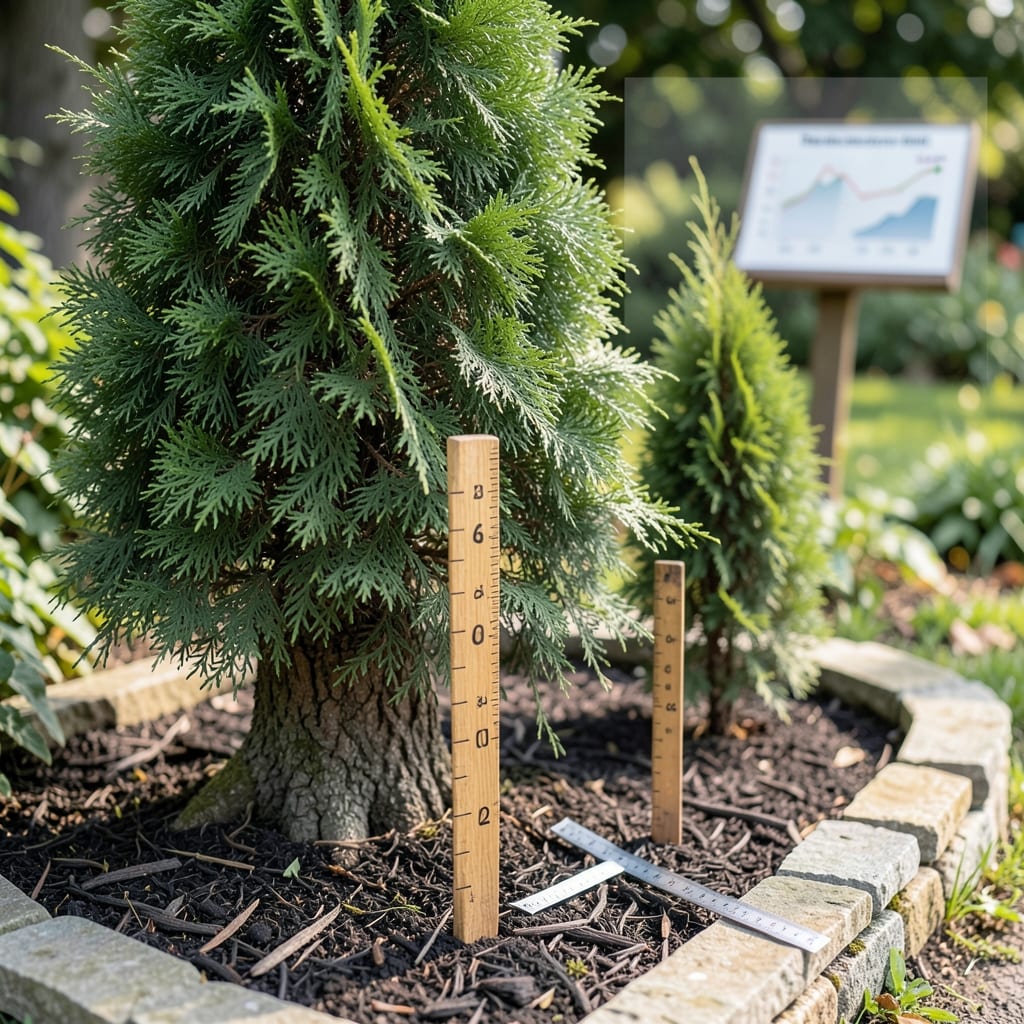
If you're planning to plant arborvitae for privacy or as a stunning landscape feature, knowing how tall do arborvitae grow each year is the key to success. These evergreen trees can transform your yard, but their growth rate varies wildly depending on the variety you choose and where you live.
The Green Giant variety, for example, can shoot up 3 to 5 feet per year in ideal conditions, while slower-growing types like Emerald Green add just 6 to 12 inches annually. Whether you're in USDA Zone 6a or warmer climates, understanding these differences helps you plan for the perfect hedge or specimen plant.
I’ll break down the fastest-growing arborvitae varieties, how climate affects their height, and simple tips to maximize growth. With the right care, you could see your 🌲 arborvitae reach maturity faster than you think—without sacrificing health or beauty.
Ready to turn your landscaping vision into reality? Let’s dive into the numbers so you can plant with confidence and watch your arborvitae thrive year after year.


Arborvitae annual growth rates by fastest-growing varieties
If you're planning a privacy hedge or windbreak, knowing your arborvitae growth rate per year is key. Some varieties shoot up 3-5 feet annually, while others grow slower. The fastest growers like Green Giant and Emerald Green are perfect for quick results, while American Plumosa offers a more compact look. Let’s break down the top 5 fastest-growing arborvitae and their yearly height gains to help you choose the right fit for your space.
Your arborvitae’s growth speed depends on soil quality, sunlight, water, and care. Even the fastest varieties need well-draining soil and consistent moisture to reach their full potential. For example, a Green Giant planted in full sun with regular watering can easily add 3-5 feet per year, while the same tree in partial shade might only grow 1-2 feet. Let’s compare the top performers so you can set realistic expectations for your landscape.
Here’s how the fastest-growing arborvitae varieties stack up in terms of annual height increase, mature size, and best use cases—so you can pick the perfect one for your project.
| Variety | Annual Growth (ft) | Mature Height (ft) | Best For |
|---|---|---|---|
| Green Giant | 3-5 ft | 40-50 ft | Privacy screens, windbreaks |
| Emerald Green | 2-4 ft | 12-15 ft | Hedges, foundation planting |
| American Plumosa | 1-2 ft | 10-15 ft | Dwarf hedges, containers |
| Thuja plicata 'Atrovirens' | 2-3 ft | 30-40 ft | Specimen trees, tall hedges |
| Leigh Creek | 3-4 ft | 20-25 ft | Screening, mixed borders |
If you’re in a hurry to block noise or create instant privacy, Green Giant and Leigh Creek are your best bets—they can add 3-5 feet per year under ideal conditions. For a low-maintenance hedge, Emerald Green strikes a balance with 2-4 feet of growth annually while staying compact. Meanwhile, American Plumosa is perfect if you want a dwarf variety that grows just 1-2 feet per year, ideal for containers or small gardens.
One common misconception is that all arborvitae grow at the same rate. In reality, soil type, sunlight exposure, and watering habits can double or halve these growth estimates. For example, sandy soil drains too quickly, while clay soil can slow root development. Always amend your soil with compost before planting to ensure optimal growth. A well-fed arborvitae in full sun will outpace one struggling in shade or poor soil.
For fastest results, plant your arborvitae in early spring (March-April) when roots can establish before summer heat. Green Giant and Leigh Creek are especially responsive to spring planting and can surpass 10 feet in just 3 years with proper care. If you’re planting multiple trees for a hedge, space them 3-5 feet apart to allow room for their branches to fill in naturally. Over time, this creates a dense, lush barrier without gaps.
Another pro tip: Mulch around the base with wood chips or pine straw to retain moisture and suppress weeds, which can compete for nutrients. A 2-3 inch layer of mulch keeps roots cool in summer and encourages faster growth by reducing stress. Just be sure to keep mulch 6 inches away from the trunk to prevent rot. With these simple adjustments, you can boost annual growth by 20-30% compared to neglecting soil and water needs.
If you’re comparing arborvitae growth rates to other evergreens like cedar or pine, arborvitae generally win for speed and density. While cedar might grow 2 feet per year, arborvitae varieties like Green Giant can outpace it by 2-3 feet annually. This makes them a top choice for quick privacy solutions, especially in USDA Zones 3-7, where they thrive in cold climates. Just remember: patience is key—even the fastest growers take 3-5 years to reach their full height potential.
Ready to pick the perfect arborvitae for your space? Start with Green Giant for maximum height gain or Emerald Green for a balanced, low-maintenance hedge. Either way, with the right soil, sunlight, and care, you’ll see noticeable growth every year—turning your bare yard into a lush, green sanctuary in no time. 🌲
How climate Zones affect arborvitae growth speed
Your arborvitae’s annual growth rate isn’t just about the variety—your USDA hardiness zone plays a huge role. Arborvitae thrive in Zones 3-9, but growth speeds vary dramatically between cold northern climates and warmer southern regions. In Zone 5, for example, a Green Giant might grow 2-3 feet per year, while the same tree in Zone 8 could reach 4-5 feet annually thanks to longer growing seasons. Understanding these differences helps you set realistic expectations and choose the right variety for your location.
In colder zones (3-5), arborvitae focus energy on root development and cold resistance rather than rapid height growth. This means slower early-year gains, but once established, they bounce back quickly in spring. For instance, a Thuja occidentalis in Zone 4 might only add 1-2 feet its first year but can double that rate in subsequent years as roots expand. Meanwhile, in warmer zones (6-9), arborvitae grow more aggressively year-round, with minimal winter dormancy slowing progress.
Here’s how climate zones impact arborvitae growth rates, including seasonal patterns and care adjustments to maximize height gain in your area:
| Zone | Avg. Annual Growth (ft) | Growing Season | Key Considerations |
|---|---|---|---|
| 3-5 | 1-2 ft | May-Sept (4-5 months) | Cold-hardy; mulch heavily |
| 6-7 | 2-4 ft | April-Oct (6 months) | Balanced growth; fertilize spring |
| 8-9 | 3-5 ft | Feb-Nov (9+ months) | Fastest growth; watch for pests |
If you live in Zones 3-5, focus on spring planting (April-May) to give roots time to establish before winter. Use extra mulch (3-4 inches) to insulate roots and protect against freeze-thaw cycles, which can stunt growth. In these zones, Thuja occidentalis varieties like Emerald Green are ideal—they tolerate cold snaps down to -40°F while still delivering 2-3 feet of growth per year once mature.
For gardeners in Zones 6-7, you’ll see the best balance of speed and reliability. Here, arborvitae like Green Giant can hit 3-4 feet annually with consistent watering and fertilization. The longer growing season means two peak growth periods: spring (April-June) and fall (Sept-Oct). To maximize height, apply balanced fertilizer in early spring and water deeply every 5-7 days during dry spells. Avoid overwatering in winter, as waterlogged soil can suffocate roots and slow growth.
In Zones 8-9, arborvitae grow most aggressively, but they require extra vigilance against pests like spider mites and bagworms, which thrive in warm, dry conditions. Monitor your trees monthly for damage, and prune lightly in late winter to encourage new growth. In these zones, Thuja plicata varieties like 'Atrovirens' can add 4-5 feet per year, but they need well-draining soil to prevent root rot from heavy rainfall. If your area gets high humidity, consider raising beds slightly or planting on a slope to improve drainage.
One common mistake is assuming all arborvitae grow faster in warm climates. While Zones 8-9 do offer the fastest growth, poor soil or neglect can negate these advantages. Always test your soil’s pH (ideal: 6.0-7.0) and amend with compost before planting. In southern zones, shade cloth can protect young trees from intense afternoon sun, which can scorch new growth and slow height gains. With the right care adjustments, you can boost growth by 30-50%—no matter your zone.
Ready to optimize your arborvitae’s growth? Start by matching your variety to your zone: Green Giant for Zones 5-7, Emerald Green for Zones 3-6, or Thuja plicata for Zones 6-9. Then, adjust your watering and fertilizing schedule based