
Trees
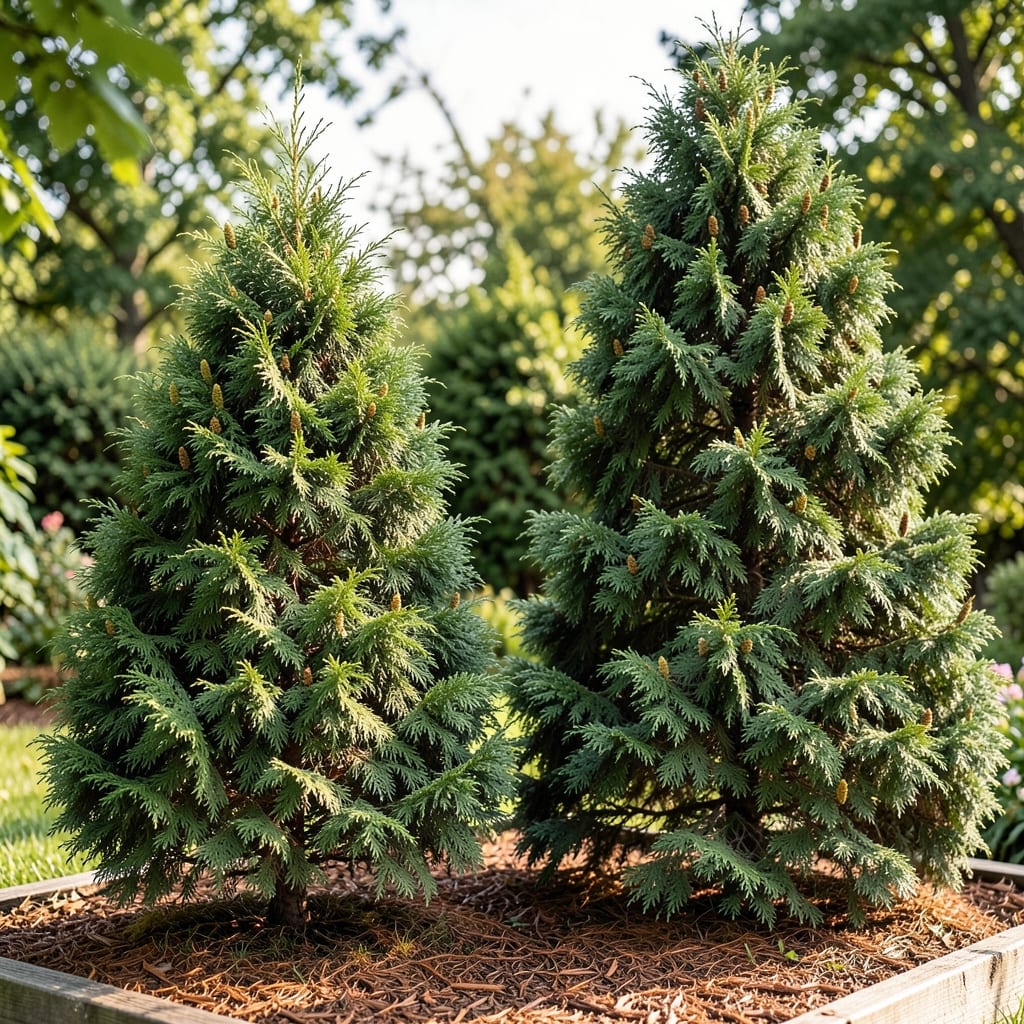
Wondering how tall do arborvitae trees grow before you commit to planting one? These evergreen giants can range from compact shrubs to towering 40-foot sentinels, making them one of the most versatile trees for any landscape.
If you're dreaming of a lush privacy screen, a dwarf variety like 'Emerald Green' will stay around 12 feet tall, while a 'Green Giant' can shoot up to 50 feet in ideal conditions. The right choice depends on your space and vision—whether you want a cozy backyard border or a dramatic focal point.
But size isn't the only factor. Sunlight, soil quality, and even your pruning habits play huge roles in how tall your 🌲 arborvitae will grow. Let’s break down the key varieties, their mature heights, and how to keep them at your desired size—without sacrificing their beauty.
Ready to plan your perfect evergreen? We’ll cover everything from fast-growing types to dwarf options, plus pruning secrets to control their height naturally. Your backyard’s new centerpiece starts here.


Arborvitae height by variety: mature size guide for common cultivars
Choosing the right arborvitae variety means understanding their mature heights, which can vary dramatically—from 3-foot dwarf shrubs to towering 40-foot giants. The key is matching your space and needs to the tree’s growth potential. Whether you need a privacy screen, a foundation plant, or a focal point, the right variety makes all the difference.
Arborvitae belong to the Thuja genus and include species like Thuja occidentalis (American arborvitae) and Thuja plicata (Western redcedar). Their heights depend on the species and cultivar, so let’s break down the most popular options to help you plan your landscape with confidence.
Here’s a quick overview of how arborvitae heights compare: dwarf varieties stay under 8 feet, semi-dwarf varieties reach 12–18 feet, and standard varieties can soar to 40 feet or more. The right choice depends on your yard’s dimensions and your long-term vision.
| Variety | Mature Height | Growth Rate | Best For |
|---|---|---|---|
| Emerald Green | 12–15 ft | 12–18 in/year | Hedges, privacy screens |
| Green Giant | 30–40 ft | 3–4 ft/year | Tall privacy screens, windbreaks |
| American Plum | 12–15 ft | 12 in/year | Foundation plant, small hedges |
| Dwarf Blue Star | 3–4 ft | 6 in/year | Containers, borders, small gardens |
| Teardrop | 10–12 ft | 12 in/year | Specimen plant, focal point |
| Golden Globe | 3–4 ft | 6 in/year | Containers, ornamental use |
| American Arborvitae (Wild Type) | 30–45 ft | 2–3 ft/year | Large landscapes, natural settings |
For small spaces, dwarf varieties like Dwarf Blue Star or Golden Globe are perfect—they stay under 4 feet tall and wide, making them ideal for containers, window boxes, or small garden borders. Their slow growth rate (about 6 inches per year) means you won’t need to prune them often, just to shape them occasionally.
If you’re aiming for a privacy screen, Emerald Green or American Plum arborvitae are excellent choices. They grow to 12–15 feet tall and can be sheared into a neat, dense hedge. Plant them 3–4 feet apart for a solid barrier within 5–10 years, depending on your climate and soil conditions.
For those with larger properties, the Green Giant arborvitae is a powerhouse. It can reach 40 feet tall and grows 3–4 feet per year, making it one of the fastest-growing varieties. This makes it ideal for creating a windbreak or a dramatic backyard focal point, but be mindful of
How to control arborvitae height: pruning tips for different growth habits
One of the most effective ways to manage arborvitae height is through strategic pruning. Since these trees grow at different rates—from 6 inches per year in dwarf varieties to 3–4 feet annually in fast growers—your pruning approach should match their natural growth habit. For example, Green Giant arborvitae can reach 40–50 feet without pruning, while Emerald Green stays compact at 12–15 feet with minimal shaping.
Timing is everything when pruning arborvitae. The best time to prune is late winter or early spring, just before new growth begins. This ensures you’re not removing buds that could support foliage density. Avoid pruning in late summer or fall, as this can stimulate tender new growth that’s vulnerable to winter frost damage. If you must prune in summer, do it early and keep cuts minimal to reduce stress.
🚨 WARNING: Over-pruning arborvitae can lead to sunburned foliage or even tree death. These trees rely on their dense evergreen needles for photosynthesis, so aggressive cuts expose inner branches to harsh sunlight. Stick to removing no more than 25% of the tree’s height in a single season, and always prune from the top down to maintain a natural shape.
⚠️ Common Pruning Mistakes to Avoid
- Pruning at the wrong time: Never trim in late summer or fall—wait until late winter or early spring.
- Over-pruning: Remove only 25% of height per year to avoid stressing the tree.
- Using dull tools: Ragged cuts invite disease; always use sharp, clean pruners or loppers.
- Topping the tree: Cutting the top flat creates weak growth; prune to encourage natural branching.
For columnar arborvitae like Emerald Green, focus on selective tip pruning to maintain their upright form. Use hand pruners to trim the topmost branches by about 1/3 of their length to encourage bushier growth. In contrast, spreading varieties like American Plum benefit from light shearing to control width while maintaining their natural shape.
Tools matter when pruning arborvitae. For small branches, hand pruners or bypass pruners work best, while loppers or a pruning saw handle thicker stems. Always sterilize your tools with rubbing alcohol between cuts to prevent spreading bacterial or fungal diseases. After pruning, apply a mulch layer around the base to retain moisture and protect roots, especially if you’ve made significant cuts.
If your arborvitae has already grown taller than desired, don’t panic—you can still reduce height gradually. Start by pruning 1–2 feet off the top in the first year, then reassess the tree’s health before making further cuts. Pair pruning with regular fertilization (a balanced 5-10-10 NPK fertilizer in early spring) to encourage dense, healthy regrowth. With patience and consistent care, even overgrown arborvitae can be shaped to fit your landscape.
Remember, arborvitae are low-maintenance trees, but a little pruning attention goes a long way in keeping them healthy and within your desired height limits. Whether you’re trimming a privacy hedge or shaping a solitary specimen, the key is to prune lightly, strategically, and at the right time—your trees will thank you with lush, vibrant foliage for years to come. 🌿