
How To
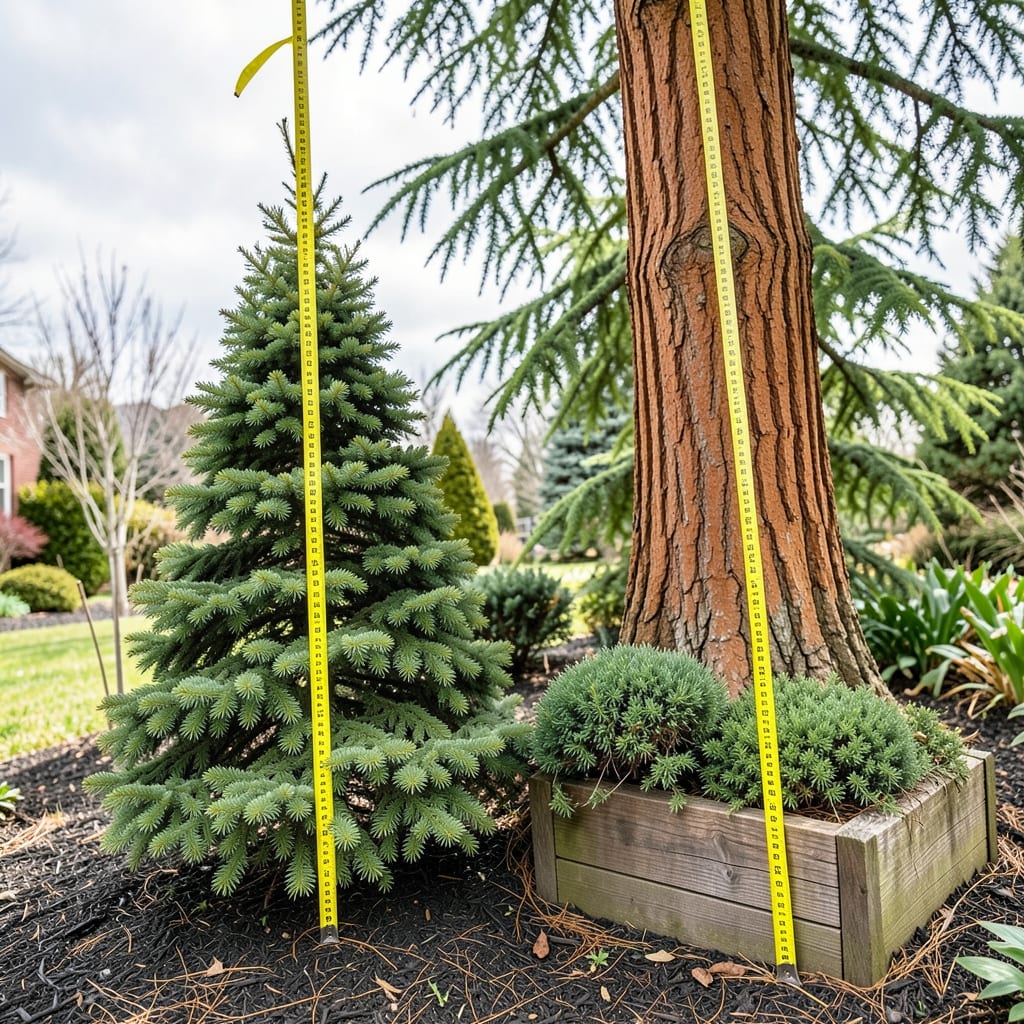
If you're planning your landscape and wondering "how tall do arborvitaes grow", you're in the right place. These evergreen trees can range from a 3-foot shrub to a towering 60-foot giant, depending on the variety you choose.
For those craving fast growth, some arborvitae varieties like Green Giant can shoot up 3-5 feet per year, while others like Emerald Green stay compact at just 3-5 feet tall. The key is understanding each type's mature height and growth rate before planting.
Whether you need a privacy screen or a statement tree, selecting the right arborvitae means considering your space and long-term vision. I'll break down the fastest-growing types and how to plan your garden layout for maximum impact.
Let's explore the height variations so you can make an informed choice that fits your yard perfectly.


Mature height ranges of arborvitae varieties: fastest-growing types explained
Arborvitaes (genus Thuja) offer an incredible range of heights, from dwarf varieties perfect for small gardens to towering fast-growing giants that create instant privacy screens. The key to choosing the right one lies in understanding each variety's mature height and growth rate—especially if you're after quick results.
For example, the Green Giant arborvitae can reach 50-60 feet tall in just 10 years, while the Emerald Green stays a modest 3-5 feet. Let's explore the fastest-growing types and their space requirements so you can plan your landscape with confidence.
Below is a quick reference table showing the mature height, growth rate, and ideal spacing for popular arborvitae varieties. This will help you visualize how each type fits into your yard's design.
| Variety | Mature Height | Growth Rate | Spacing | Best For |
|---|---|---|---|---|
| Green Giant | 50-60 ft | 3-5 ft/year | 15-20 ft apart | Privacy screens, large yards |
| American Arborvitae | 30-40 ft | 2 ft/year | 8-10 ft apart | Windbreaks, medium yards |
| Emerald Green | 3-5 ft | 6-12 in/year | 3-5 ft apart | Foundation plants, small gardens |
| Leyland Cypress (hybrid) | 40-60 ft | 3-4 ft/year | 12-15 ft apart | Fast privacy, large properties |
| Teddy Bear | 3-4 ft | 4-6 in/year | 2-3 ft apart | Container gardens, borders |
The Green Giant and Leyland Cypress are the fastest-growing arborvitae, making them ideal for quick privacy solutions. If you're working with limited space, Emerald Green or Teddy Bear varieties offer beautiful foliage without overwhelming your yard.
When planning your layout, consider not just the mature height but also the width of each variety. For example, the Green Giant can spread 12-15 feet wide, so you'll need ample space behind it to prevent overcrowding. Always check the spacing recommendations to ensure healthy growth.
For fastest results, plant your arborvitae in well-draining soil with full sun exposure. This combination maximizes growth rates, especially for varieties like Green Giant. If your soil is heavy clay, consider amending it with compost or planting in raised beds to improve drainage.
One common mistake is underestimating how quickly these trees grow. The Green Giant, for instance, can reach 10 feet tall in just 3 years. If you're planting near structures, always leave extra space for future growth to avoid pruning headaches or root conflicts.
For those seeking a balanced approach, the American Arborvitae grows at a steady 2 feet per year and reaches 30-40 feet at maturity. This makes it a great choice for medium-sized yards where you want a moderate growth rate without the extreme height of the Green Giant.
If you're unsure which variety to choose, start by measuring your available space and noting your primary goal—whether it's privacy, wind protection, or aesthetic appeal. Then, cross-reference these needs with the height ranges and growth rates in the table above.
Remember, arborvitaes are low-maintenance once established, but their height potential is what makes them so versatile. Whether you're aiming for a sky-high screen or a compact accent plant, there's an arborvitae variety that fits your vision.
Mature height ranges of arborvitae varieties: fastest-growing types explained
Arborvitaes offer a stunning range of mature heights, from 3-foot shrubs to towering 60-foot giants. The fastest-growing varieties, like Green Giant, can reach their mature height in just 10-15 years, while slower-growing types take decades. Understanding these differences helps you plan your landscape with precision.
For privacy screens, taller varieties like American Arborvitae (30-40 ft) or Leyland Cypress hybrids (40-60 ft) are ideal. If you prefer low-maintenance hedges, Emerald Green (3-5 ft) or Dwarf Golden Globe (3-4 ft) stay compact without needing frequent pruning.
Here’s a quick comparison of the most popular arborvitae varieties and their mature heights:
| Variety | Mature Height (ft) | Growth Rate (ft/year) | Best For |
|---|---|---|---|
| Green Giant | 50-60 | 3-5 | Privacy screens, large yards |
| Emerald Green | 3-5 | 0.5-1 | Hedges, small spaces |
| American Arborvitae | 30-40 | 1-2 | Windbreaks, medium yards |
| Dwarf Golden Globe | 3-4 | 0.3-0.5 | Accents, containers |
| Leyland Cypress Hybrid | 40-60 | 3-4 | Tall hedges, windbreaks |
The Green Giant and Leyland Cypress hybrids are the fastest-growing arborvitaes, making them perfect if you need a quick privacy solution. However, their rapid growth means you’ll need to plan for regular pruning to maintain shape and control height over time.
For smaller spaces, dwarf varieties like Dwarf Golden Globe or Emerald Green are excellent choices. They require minimal maintenance and add year-round greenery without overwhelming your landscape. Always check the spacing recommendations for your chosen variety to ensure healthy growth.
When planting, give taller varieties like Green Giant at least 8-10 feet of space between plants to allow for their mature width. Smaller varieties can be planted closer together, around 3-5 feet apart, for a dense hedge effect.
Remember, arborvitaes grow best in well-drained soil with full sun to partial shade. Proper spacing and sunlight exposure will help your trees reach their full potential without crowding or disease issues.