
How To
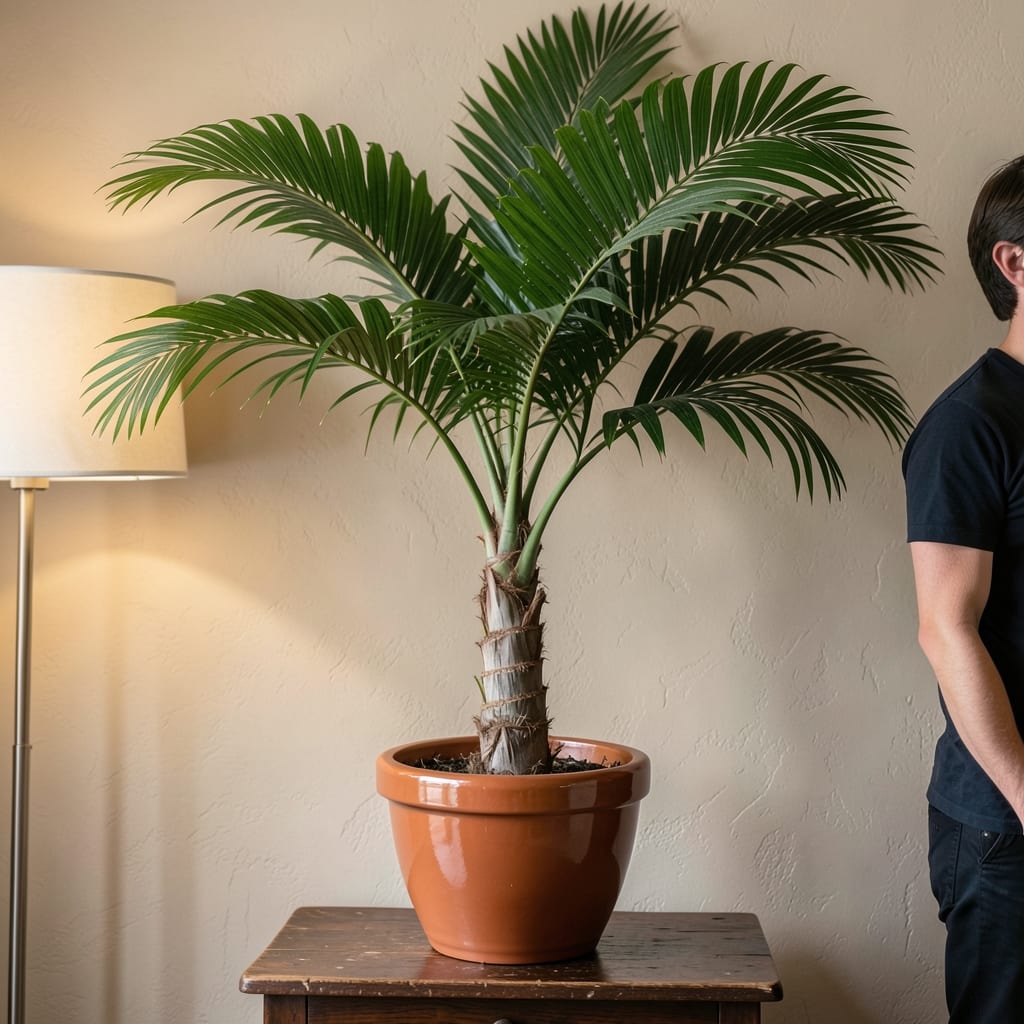
If you're wondering how tall do areca palms grow, the answer might surprise you—these tropical beauties can range from compact tabletop plants to towering 10- to 30-foot giants, depending on care and variety. The 🌴 Areca Palm thrives in zones 10-12, but even indoors, it can reach impressive heights with the right conditions.
Whether you're eyeing a dwarf variety for a cozy corner or a standard type to make a bold statement, understanding their growth potential helps you plan for the perfect fit. These palms grow as single-trunk or multi-trunk plants, with some varieties staying under 6 feet while others soar to 3 stories tall outdoors. The key to managing their height lies in light, humidity, and pruning—all factors we'll break down to keep your palm at your ideal size.
Indoors, most Areca Palms mature between 6 and 10 feet, making them ideal for spacious rooms or as striking centerpieces. But with the right care, you can even encourage bushier growth instead of rapid vertical expansion. Let’s explore how to nurture your palm so it stays healthy—and at the perfect height—for years to come.
From dwarf types perfect for small spaces to standard varieties that dominate a room, choosing the right Areca Palm depends on your goals. Whether you want a low-maintenance tabletop plant or a lush, floor-filling statement piece, we’ll cover everything you need to know to get it just right.


Areca palm height guide: mature size ranges by popular varieties
Choosing an areca palm (Dypsis lutescens) often comes down to one critical question: how tall do areca palms grow? The answer depends entirely on the variety you select, as some stay compact enough for tabletop displays, while others reach ceiling heights in large rooms. Whether you're furnishing a cozy apartment or a sprawling office, knowing these mature height ranges helps you plan placement and care from day one.
Most areca palms grow as single-trunk plants with feathery fronds, but their heights can vary dramatically—from just 4 feet for dwarf varieties to over 30 feet in tropical outdoor settings. Indoor palms typically max out around 6-10 feet due to limited space and controlled conditions, while outdoor palms in warm climates can grow much taller with proper care.
Here’s a quick overview of what to expect: standard varieties like the classic areca palm reach 10-20 feet, while dwarf varieties like 'Little Princess' stay under 5 feet. Semi-dwarf types bridge the gap at 8-12 feet, making them ideal for large indoor spaces or outdoor patios. Let’s dive into the specifics so you can pick the perfect palm for your space.
| Variety | Indoor Mature Height | Outdoor Mature Height | Growth Rate (Yearly) | Ideal Light |
|---|---|---|---|---|
| Classic Areca Palm | 6-10 ft | 15-25 ft | 12-18 in | Bright Indirect |
| 'Little Princess' | 4-5 ft | 6-8 ft | 6-10 in | Bright Indirect |
| 'Golden Areca' | 5-7 ft | 10-15 ft | 10-14 in | Bright Indirect |
| 'Semi-Dwarf' | 8-12 ft | 15-20 ft | 14-18 in | Bright Indirect |
| 'Golden Dwarf' | 3-4 ft | 5-6 ft | 4-8 in | Bright Indirect |
| 'Golden Cane' | 4-6 ft | 8-12 ft | 8-12 in | Bright Indirect |
The 'Little Princess' variety is my top recommendation for small spaces, as it stays under 5 feet tall even indoors. Its slower growth rate (6-10 inches per year) makes it perfect for apartment living or office desks. Meanwhile, the 'Golden Areca' variety adds a striking golden-yellow hue to its fronds while reaching 5-7 feet indoors, making it a showstopper in living rooms or entryways.
If you're planning to grow your areca palm outdoors in USDA zones 10-12, expect significantly taller results. For example, a standard areca palm can reach 15-25 feet with proper care, creating a natural room divider or privacy screen. Just ensure you provide bright indirect light and well-draining soil to support this rapid growth.
For those with high ceilings or large atriums, the 'Semi-Dwarf' variety is a fantastic middle-ground option. It grows 8-12 feet indoors and 15-20 feet outdoors, striking a balance between manageable size and dramatic impact. This variety also produces broader fronds, adding to its visual appeal.
One common misconception is that all areca palms grow as single-trunk plants. While this is true for most varieties, some multi-trunk types (like the 'Golden Cane') develop clumping habits over time, creating a bushier appearance. These varieties are ideal for landscape design or outdoor planters where you want a fuller, more tropical look.
When selecting your palm, consider not just height but also frond spread. A 6-foot-tall
How to control areca palm growth: pruning, potting, and light tips
Managing the height of your Areca Palm starts with smart care strategies. Since these palms can grow 6-12 inches per year indoors, controlling their size requires a mix of pruning, potting techniques, and light management. The good news? With the right approach, you can keep your palm at a manageable height—or even encourage a bushier, fuller look instead of a towering single trunk.
One of the most effective ways to control height is through pruning. Unlike many palms, Areca Palms respond well to pruning, allowing you to trim back overgrowth while promoting new fronds. The best time to prune is in early spring, just as new growth begins. Use sterilized pruning shears to cut back dead or yellowing fronds at their base, and avoid cutting into the central growing point—this can stunt the plant permanently.
📌 Visual Element: Callout-Warning
⚠️ Pruning Warning: Never Cut the Crown!
Cutting into the central growing point (crown) of an Areca Palm is fatal—this is where all new fronds emerge. Instead, focus on removing only dead or damaged fronds at their base. For height control, prune outer fronds to encourage bushier growth.
Another key factor is potting size. Areca Palms thrive when slightly root-bound, which naturally slows their vertical growth. If your palm is growing too quickly, choose a pot that’s only 1-2 inches larger in diameter than its root ball. This restricts root expansion, redirecting energy toward frond production rather than height. Repot every 2-3 years in spring using a well-draining potting mix with perlite or orchid bark for aeration.
Light exposure plays a crucial role in managing growth. Areca Palms need bright, indirect light to thrive, but too much direct sun can cause leaf scorch and rapid, leggy growth. Place your palm near an east- or west-facing window where it gets 6+ hours of filtered light daily. If your palm starts stretching toward light (a sign of etiolation), rotate it quarter-turns every few weeks to ensure even growth. In low-light conditions, growth slows, but the plant may become less lush.
For those with limited vertical space, consider dwarf varieties like the 'Mini Areca', which maxes out around 4-6 feet indoors. These varieties grow at a slower rate and are ideal for apartments or offices. Even with standard varieties, combining pruning, proper potting, and light control can keep your Areca Palm at a height that fits your space—without sacrificing its stunning tropical appeal.
Finally, monitor your palm’s growth habits seasonally. In spring and summer, when growth is most active, you may need to prune more frequently to maintain size. During fall and winter, growth slows naturally, making it a good time to assess whether your care strategies are working. With patience and consistency, you can enjoy a healthy, well-proportioned Areca Palm that complements your space beautifully.