
Size
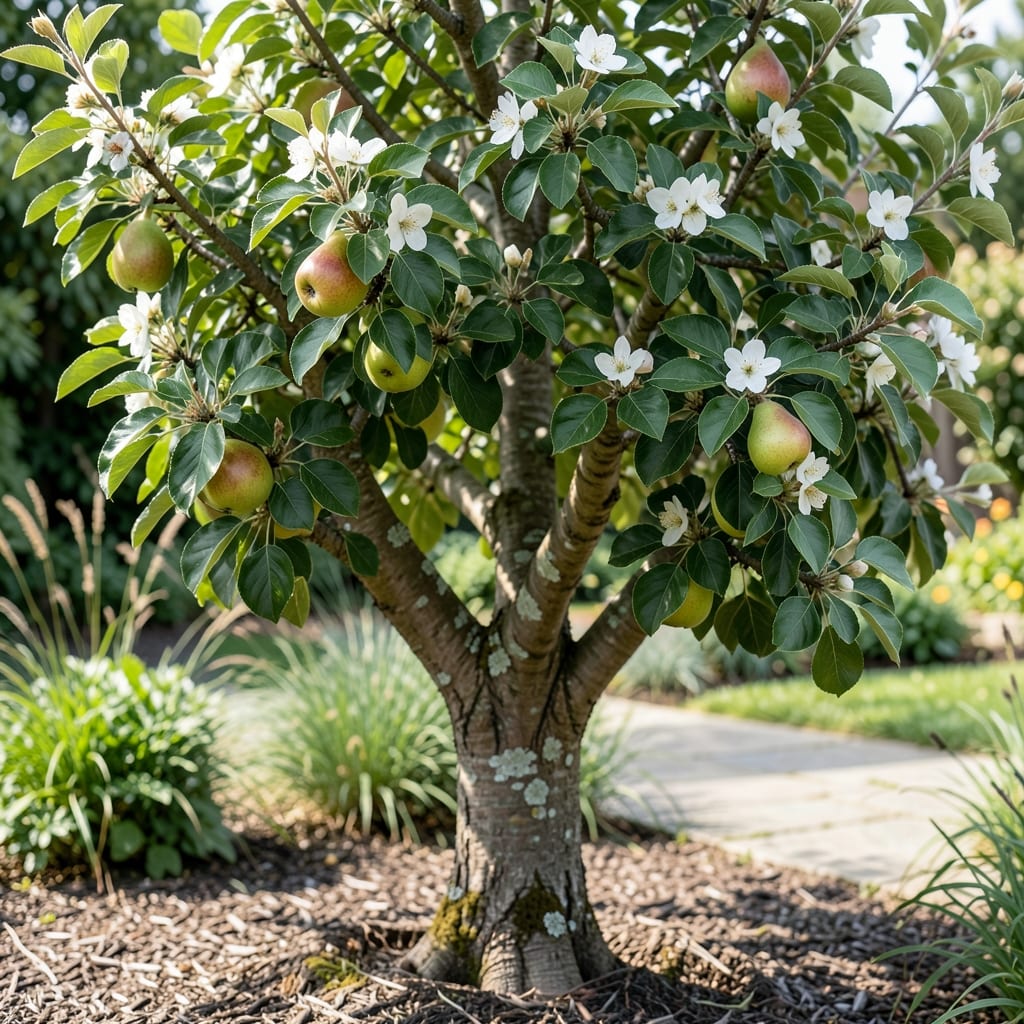
Asian pear tree height by variety: mature size ranges & growth habits
If you're dreaming of an Asian pear tree in your garden but worried about it becoming a towering giant, you're not alone. These trees can reach impressive heights—some varieties even dwarfing two-story houses—but others stay perfectly manageable for smaller spaces. The key lies in choosing the right variety, as mature heights range from 8 feet to over 30 feet. Let’s break down the most popular types and what to expect from each.
Standard Asian pear trees like Niitaka and Kosui typically grow between 20 and 30 feet at maturity, making them ideal for large backyards or orchards. These varieties produce abundant fruit but require ample space to thrive. On the other hand, dwarf varieties like Shinseiki or Chojuro top out around 8 to 12 feet, perfect for containers or tight urban gardens. Understanding these differences helps you plan your garden layout and fruit harvest strategy.
Here’s a quick comparison of how popular Asian pear varieties stack up in terms of height and growth habits:
| Variety | Mature Height | Growth Rate | Spacing Needs | Best For |
|---|---|---|---|---|
| Niitaka | 20-30 ft | Moderate (1-2 ft/year) | 20-25 ft apart | Large gardens, orchards |
| Kosui | 20-25 ft | Moderate (1-2 ft/year) | 18-20 ft apart | Rural areas, commercial orchards |
| Hosui | 15-20 ft | Moderate (1 ft/year) | 15-18 ft apart | Medium-sized yards |
| Shinseiki | 8-12 ft | Slow (6-12 in/year) | 8-10 ft apart | Containers, small gardens |
| Chojuro | 8-12 ft | Slow (6-12 in/year) | 8-10 ft apart | Urban gardens, patios |
When selecting a variety, consider not just height but also growth rate and fruit production. For example, Niitaka grows faster but needs more space, while Shinseiki stays compact and is perfect for container gardening. If you’re planting multiple trees, spacing them correctly ensures they have room to grow without competing for sunlight or nutrients. Always check the spacing requirements listed for each variety to avoid overcrowding.
Another factor to consider is the rootstock used for grafting. Dwarf varieties are often grafted onto semi-dwarf or dwarf rootstocks, which naturally limit their height. For instance, a Chojuro pear tree grafted onto a dwarfing rootstock will stay under 10 feet, while the same variety on a standard rootstock could reach 15 feet. This is a game-changer for small gardens or urban spaces where vertical space is limited.
If you’re planning to grow Asian pears in containers, opt for dwarf or semi-dwarf varieties like Shinseiki or Chojuro. These trees can thrive in large pots (at least 18-inch diameter) with proper drainage and regular pruning. Just remember that container-grown trees may need more frequent watering and fertilizing to compensate for their limited root space. With the right care, you can enjoy fresh Asian pears even on a balcony or small patio!
For those with larger properties, standard varieties like Niitaka or Kosui offer the reward of bountiful fruit production and a classic tree aesthetic. These varieties are also more cold-hardy, making them suitable for regions with shorter growing seasons. Whether you choose a towering giant or a compact dwarf, Asian pear trees bring beauty and delicious fruit to any garden—just pick the right size for your space.
Pro tip: If you’re unsure about height, start with a semi-dwarf variety like Hosui. It strikes a balance between manageable size and robust fruit production, giving you the best of both worlds. And don’t forget to factor in pruning—regular maintenance can keep even standard varieties at a more manageable height without sacrificing yield.
🌱
Factors that influence Asian pear tree height: sun, soil & pruning secrets
Your Asian pear tree's final height isn't just about the variety you choose—it's heavily influenced by growing conditions. Sunlight exposure, soil quality, and pruning practices can either send your tree skyward or keep it at a manageable height. Let's break down how each factor plays a role in controlling your tree's growth trajectory.
First, sunlight is the most critical factor. Asian pear trees thrive in full sun conditions (6+ hours daily), which fuels rapid vertical growth. However, if planted in partial shade, your tree may grow 30% slower and stay shorter—sometimes as much as 5-10 feet shorter than its full-sun counterpart. This makes sunlight the single biggest lever you have for height control.
🌱
⚠️ Warning: Over-Pruning Can Stunt Fruit Production
While pruning helps control height, aggressive pruning—especially late in the season—can reduce your tree's ability to produce fruit. Never remove more than 25% of the canopy in a single year, and avoid heavy pruning after mid-summer to protect next year's harvest.
🪴 Pro Tip: Focus on selective pruning—removing only water sprouts and crossing branches—to maintain shape without sacrificing fruit production.
Next, soil quality determines how efficiently your tree absorbs nutrients and water. Poor, compacted, or nutrient-deficient soil can stunt growth, while well-draining, fertile soil with a slightly acidic pH (6.0-7.0) promotes healthy, vigorous growth. Amending your soil with compost or organic matter before planting can help your tree reach its full height potential faster.
Watering practices also play a subtle but important role. Deep, infrequent watering encourages deeper root growth, which supports taller, more stable trees. In contrast, shallow, frequent watering can lead to weaker root systems and slower vertical growth. Aim for 1-2 inches of water per week during the growing season, delivered directly to the root zone.
Finally, pruning techniques are your best tool for actively managing height. Structural pruning in late winter (before buds break) helps shape the tree's framework, while summer pruning controls height by removing new growth. For standard varieties, limit vertical growth by pruning the central leader (main upward branch) to encourage a bushier, wider canopy.
By mastering these four factors—sunlight, soil, watering, and pruning—you can guide your Asian pear tree to reach the perfect height for your space, whether you want a towering fruit-bearing giant or a compact, manageable tree for small gardens. The key is consistency and patience, as these trees respond best to gradual adjustments over time.