
Plants
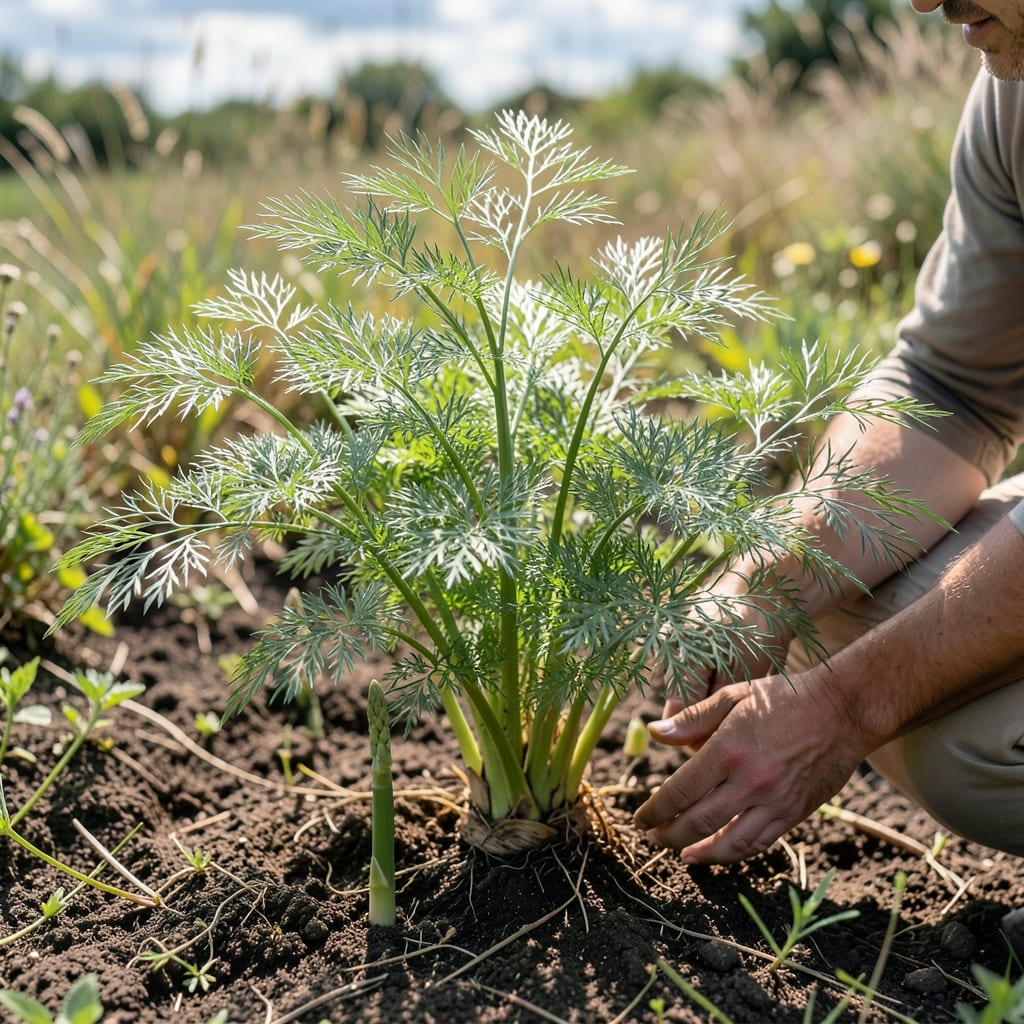
If you're wondering how tall do asparagus plants grow, the answer might surprise you—these perennial powerhouses can reach heights of 4 to 5 feet in just a few years, making them a space-conscious gardener’s dream (or challenge, depending on your layout). Unlike annuals that start and stop, asparagus crowns send up ferns and spears year after year, so their mature height and spread directly impact how you design your garden beds.
Most gardeners assume asparagus is low-maintenance, but its growth habits—like how quickly those feathery fronds shoot up—mean spacing and pruning become critical. Plant too close, and you’ll end up with a jungle of tangled stalks; give them room, and you’ll harvest plump spears for years without fighting for space. The key lies in understanding how varieties differ and how to manage their height before it manages you.
What’s even more interesting is how asparagus grows in stages. In its first year, you’ll see no harvest, just lush foliage reaching 2 to 3 feet tall. By year three, those same plants can tower over your kitchen counter, with spears and ferns competing for dominance. The good news? With the right techniques—like cutting back foliage in autumn or choosing compact varieties—you can keep them in check while still reaping the rewards of a thriving 🌱 asparagus patch.
Ready to turn your garden into a spear-producing machine? I’ll walk you through the exact heights by variety, space-saving hacks, and how to avoid the common mistakes that turn your asparagus into a 5-foot-tall weed. Let’s get growing!


Exact height ranges of asparagus plants by popular varieties
Asparagus plants typically reach 4 to 5 feet tall at maturity, but their exact height depends on the variety and growing conditions. The foliage alone can spread 3 to 4 feet wide, while the spears emerge from underground crowns that expand over time. Understanding these dimensions helps you plan your garden layout and avoid overcrowding.
Most asparagus varieties fall within this height range, but some, like 'Purple Passion', may grow slightly taller due to their vigorous growth habits. The crown spread is equally important—it determines how much space each plant needs to thrive without competing for nutrients or sunlight.
Here’s how the most popular asparagus varieties compare in terms of height and spread:
The Mary Washington variety, a garden staple, grows 4 to 5 feet tall with a 3 to 4-foot foliage spread. This makes it ideal for larger gardens where space isn’t a constraint. In contrast, 'Jersey Knight' is more compact, reaching only 3 to 4 feet, making it perfect for smaller plots or container gardening.
If you’re growing 'Purple Passion', brace yourself for a taller plant—this variety can reach 5 to 6 feet and spreads 4 to 5 feet wide. Its dramatic height and vibrant purple spears make it a standout, but it requires more space and careful pruning to keep it manageable.
For first-year growth, asparagus plants focus on establishing their crowns and roots rather than producing spears. You’ll see foliage reaching 1 to 2 feet tall by late summer, but no harvestable spears. This is why patience is key—full maturity and peak height occur in years 2 to 3.
When planning your garden, account for both height and spread. Asparagus plants send up fern-like foliage that can block sunlight from neighboring plants. Space rows 18 to 24 inches apart to allow airflow and prevent disease, while keeping individual plants 12 to 18 inches apart in the row.
Pruning plays a critical role in managing height. After harvest, let the ferns die back naturally in fall. Cut them down to ground level in late autumn to tidy up your garden and redirect energy to the crown for next year’s growth. This simple step prevents overgrowth and keeps plants at their ideal height.
If you’re growing asparagus in containers or small spaces, choose compact varieties like 'Jersey Knight' or 'Millennium'. These stay shorter and are easier to manage, though they may produce slightly fewer spears than larger varieties. With the right variety and care, you can enjoy homegrown asparagus without sacrificing garden space.
🌱
Exact height ranges of asparagus plants by popular varieties
Asparagus plants typically reach 3 to 5 feet tall at maturity, but their exact height depends on the variety and growing conditions. The Mary Washington variety, a classic choice, grows 4 to 5 feet tall with a 2-foot-wide crown spread, making it a space-conscious pick for larger gardens. Meanwhile, Purple Passion asparagus, known for its vibrant purple spears, reaches 3 to 4 feet tall but spreads slightly wider, up to 2.5 feet.
For smaller gardens, Jersey Knight is a great option, growing 3 to 4 feet tall with a 1.5-foot spread. These dimensions are crucial for planning because asparagus plants also develop fern-like foliage that can spread outward, sometimes doubling the plant's footprint. Understanding these measurements ensures you allocate enough space while avoiding overcrowding.
| Variety | Mature Height (ft) | Crown Spread (ft) | Foliage Spread (ft) | Best For |
|---|---|---|---|---|
| Mary Washington | 4-5 | 2 | 3-4 | Large gardens, high yield |
| Purple Passion | 3-4 | 2.5 | 3-4 | Small gardens, ornamental value |
| Jersey Knight | 3-4 | 1.5 | 2-3 | Urban gardens, containers |
The height of asparagus plants isn't just about vertical growth—it's also about their underground crowns and above-ground ferns. These plants are perennials, meaning they grow from the same crown year after year, so their height and spread compound over time. For example, a Mary Washington plant in its third year might tower 5 feet tall with ferns stretching 4 feet wide, while a Jersey Knight stays more compact at 3 feet tall and 2.5 feet wide.
When planning your garden, account for 18 to 24 inches of space between plants to prevent competition. This spacing ensures each plant has room to develop its full height and spread without crowding neighbors. Overcrowding can lead to stunted growth or even disease, so follow these guidelines closely. If you're short on space, consider vertical training or container gardening to manage their height and spread effectively.
One common misconception is that asparagus plants grow taller in their first year. In reality, the first year is all about establishing the crown and roots, with minimal foliage. By the second or third year, you’ll see the full mature height and spear production you expect. This delayed gratification is why patience is key when growing asparagus.
To maximize your garden's efficiency, pair taller varieties like Mary Washington with shorter companions like radishes or lettuce that thrive in their shade. This way, you’re making the most of the vertical space while keeping your garden organized and productive. With the right variety and spacing, your asparagus plants will thrive without taking over your yard!