
How To
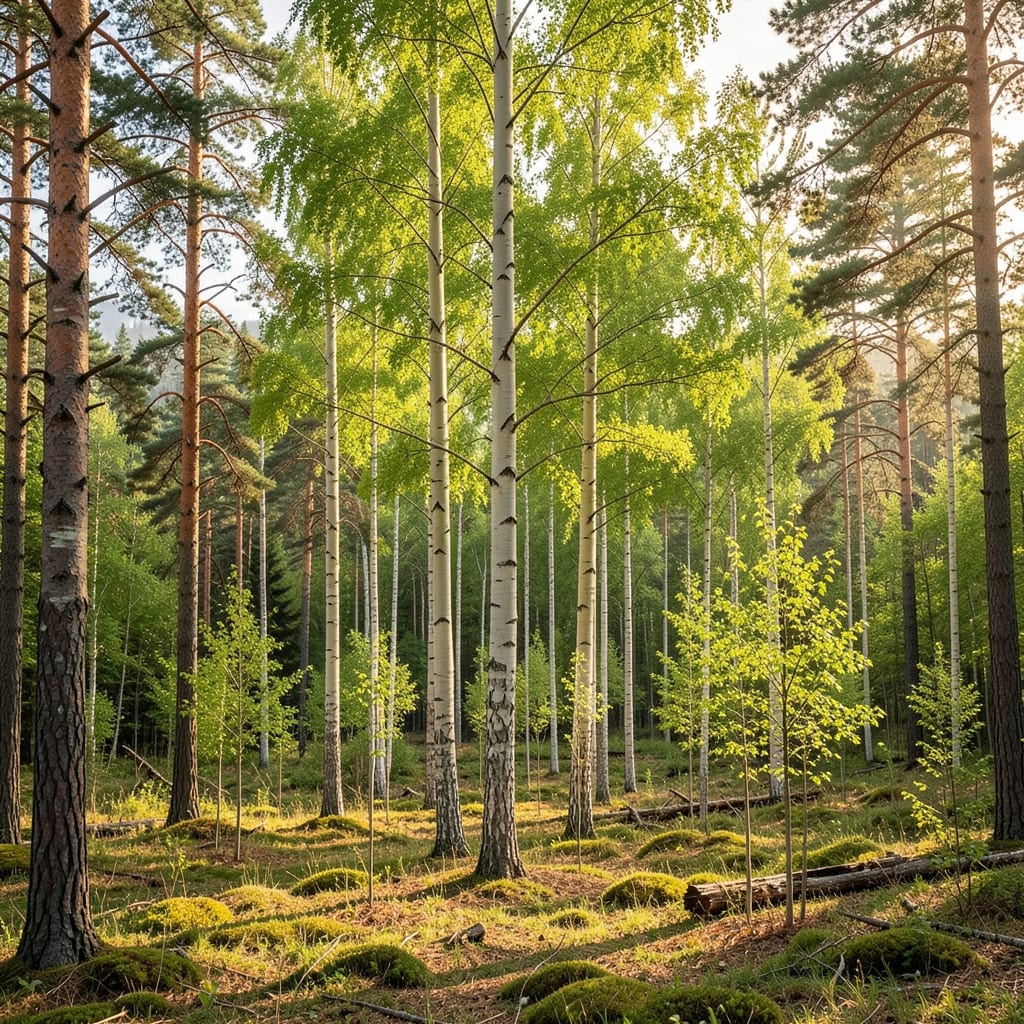
If you’ve ever wondered how tall do aspens grow, you’re not alone—these trees are nature’s skyscrapers, shooting up to heights that dwarf most backyard trees. From the towering giants of the wild to the smaller varieties perfect for landscaped spaces, understanding their mature size is the first step to deciding whether they’re right for your property.
The answer might surprise you: some aspens reach 60 to 80 feet at maturity, making them one of the fastest-growing trees in North America. That’s taller than a six-story building! But don’t let their impressive stature scare you off—there are ways to manage their growth and even choose smaller cultivars if space is limited.
Whether you’re dreaming of a shady grove or just want a striking focal point in your yard, knowing how tall aspens grow helps you plan for their long-term impact. I’ll break down the different varieties, growth habits, and tips for keeping them in check—so you can enjoy their beauty without the headaches.
Ready to find out which aspen fits your space? Let’s dive into the details so you can make the best choice for your landscape.


Mature height of aspens by variety: from dwarf to giant species
If you're dreaming of planting aspens, their mature height can range from modest to absolutely breathtaking. Most native species like the quaking aspen (Populus tremuloides) and bigtooth aspen (Populus grandidentata) reach heights of 60 to 80 feet under ideal conditions. These towering giants can grow taller than a 6-story building, making them perfect for large estates or woodland settings where space isn’t a concern.
For smaller spaces, ornamental varieties like 'Golden Ghost' or 'Nana' offer a more manageable height, typically staying between 20 to 30 feet at maturity. These dwarf or semi-dwarf cultivars are ideal for urban landscapes, parks, or even large gardens where you want the aspen’s distinctive foliage without the overwhelming height.
Below is a quick reference table comparing the mature heights of common aspen varieties, so you can choose the best fit for your space and vision.
| Variety | Mature Height | Growth Rate | Best For |
|---|---|---|---|
| Quaking Aspen (Populus tremuloides) | 60–80 ft | 3 ft/year (fast) | Woodlands, large estates |
| Bigtooth Aspen (Populus grandidentata) | 50–70 ft | 2–3 ft/year | Forest edges, parks |
| 'Golden Ghost' (Ornamental) | 20–30 ft | 1–2 ft/year | Urban gardens, small landscapes |
| 'Nana' (Dwarf Cultivar) | 15–25 ft | 1 ft/year | Patios, large containers |
When selecting an aspen variety, consider not just height but also your local climate and soil type. Native species thrive in cooler regions, while ornamental varieties may adapt better to urban environments with proper care. For example, 'Golden Ghost' is prized for its golden foliage, which makes it a standout in landscape designs where height is less critical.
One common misconception is that all aspens grow to monumental heights. In reality, their growth is influenced by genetics, environment, and care. For instance, a quaking aspen planted in poor soil or with limited sunlight may only reach 30 to 40 feet, far below its potential. This is why understanding your site conditions is crucial before planting.
If you're working with limited space, consider pruning young aspens to control their height and shape. However, be cautious—over-pruning can stress the tree and reduce its natural resilience. For larger varieties, plan ahead by leaving ample root space and ensuring they’re planted at least 30 feet away from structures or other trees.
For those who love the idea of aspens but need a smaller option, 'Nana' is a fantastic choice. It retains the tree’s iconic golden fall color and delicate leaves while staying compact enough for smaller yards. Just remember, even dwarf varieties will eventually reach their mature height, so always check the expected size before planting.
Whether you're aiming for a towering grove or a compact accent tree, aspens offer something for every landscape. The key is matching the variety to your space and climate to ensure healthy, long-term growth.
Next, we’ll explore how climate, soil, and care can influence aspen height—so you can maximize their potential in your own backyard.
Mature height of aspens by variety: from dwarf to giant species
When planning your landscape, knowing how tall aspens grow helps you choose the perfect variety for your space. Native aspens like the quaking aspen (Populus tremuloides) can reach staggering heights of 60-80 feet, while ornamental varieties stay much smaller. Their growth rates are equally impressive, with some species adding 3 feet per year in ideal conditions.
The quaking aspen is the most common species, known for its trembling leaves and rapid growth. In the wild, these trees often form vast groves where they clone themselves through interconnected roots, creating a single genetic organism. For home gardeners, this means their height can become a challenge unless you have ample space.
Bigtooth aspen (Populus grandidentata) is another native variety, typically reaching 50-75 feet at maturity. This species is slightly shorter than quaking aspen but still requires significant space. Both species are excellent for wildlife habitats and windbreaks, thanks to their fast growth and dense foliage.
| Variety | Mature Height | Growth Rate | Best For |
|---|---|---|---|
| Quaking Aspen (Populus tremuloides) | 60-80 ft | 3 ft/year | Wildlife habitats, windbreaks |
| Bigtooth Aspen (Populus grandidentata) | 50-75 ft | 2-3 ft/year | Landscaping, erosion control |
| 'Golden Ghost' Aspen | 20-30 ft | 1-2 ft/year | Ornamental gardens, small yards |
| 'Nana' Aspen | 15-20 ft | 1 ft/year | Container planting, patios |
For smaller spaces, ornamental varieties like 'Golden Ghost' and 'Nana' are excellent choices. These cultivars stay under 30 feet tall, making them perfect for backyard gardens or even large containers. Their golden foliage adds a stunning contrast to landscapes, especially in autumn when their leaves turn vibrant yellow.
If you're considering aspens for a privacy screen or shade tree, native species will provide the most dramatic results. However, their rapid growth means they’ll quickly outgrow smaller yards. Always check local regulations before planting, as some areas restrict large tree species due to their potential to damage foundations or power lines.
Understanding aspen height variations also helps with spacing. Planting multiple aspens too close together can lead to competition, stunting their growth. Aim for at least 30-50 feet between trees to allow them to reach their full potential without crowding.