
Flowers
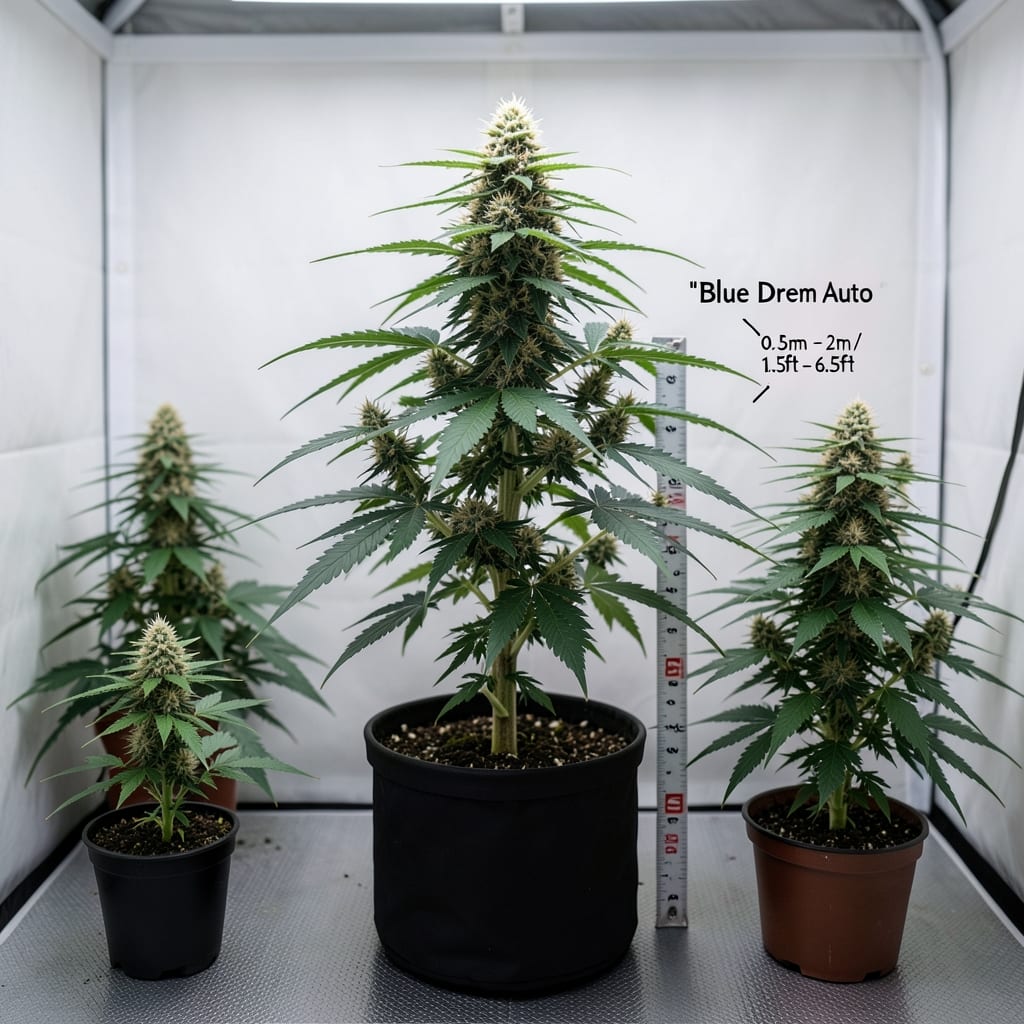
Wondering how tall do autoflower cannabis plants grow? The answer isn’t one-size-fits-all—these compact powerhouses can range from barely taller than a coffee table to over 5 feet, depending on their genetics and how you nurture them. Unlike their photoperiod cousins, autoflowers follow a strict timeline, so their height is as much about patience as it is about planning.
If you’re working with limited space—like a balcony or small grow tent—you’ll want to focus on dwarf or semi-dwarf strains that max out around 2–3 feet. But if you’re growing outdoors in zone 6a, some varieties can stretch toward 6 feet or more, especially with proper training. The key? Understanding your strain’s potential early so you can adjust your setup before those 🌱 babies start shooting up.
Genetics play a huge role, but so do your growing conditions. Too much light, nutrients, or even the wrong container can send your plants racing skyward—sometimes faster than you’d like. I’ll break down exactly how to keep them in check, whether you’re aiming for a low-profile grow or letting them reach their full height potential. Ready to get the scoop?
From pruning techniques to strain selection, you’ll learn how to predict—and control—your autoflowers’ growth like a pro. No more guessing games about whether your plants will fit in your space or need extra support. Let’s dive into the details so you can grow with confidence.


Autoflower cannabis height ranges by strain type: dwarf vs. tall varieties
Autoflowering cannabis plants offer a unique advantage: their height is far more predictable than photoperiod varieties, but it still varies wildly based on genetics. Unlike their photoperiod cousins, autoflowers don’t rely on light cycles to trigger flowering—they automatically switch after 4-6 weeks of growth, making their final height a mix of genetic potential and environmental factors. That said, most autoflowers fall into three clear height categories: dwarf (under 2 feet), medium (2-4 feet), and tall (4-6+ feet), with some outliers reaching 7 feet in ideal conditions.
For first-time growers, understanding these ranges is critical. A dwarf strain like Blueberry Auto might top out at 18 inches, perfect for a windowsill setup, while a tall Sativa-dominant hybrid like Jack's Cleaner Auto could stretch to 5-6 feet, demanding outdoor space or a tall grow tent. The key difference? Indica genetics tend toward shorter, bushier plants, while Sativa genetics lean taller and lankier—but hybrids can buck these trends entirely.
🌱
| Strain Type | Height Range | Genetic Influence | Best For |
|---|---|---|---|
| Dwarf Autoflowers | 1–2 feet | High Indica dominance, compact genetics | Indoor grow tents, windowsills, small spaces |
| Medium Autoflowers | 2–4 feet | Balanced Indica/Sativa or hybrid genetics | Balcony gardens, 4x4ft grow tents, outdoor containers |
| Tall Autoflowers | 4–6+ feet | High Sativa dominance, stretchy genetics | Outdoor grows, large grow rooms, trellis training |
| Outlier Strains | 6–7 feet | Extreme Sativa or landrace genetics | Outdoor grows with support, large containers |
Height can vary ±1 foot based on training and conditions
Let’s break down these categories with real-world examples. Dwarf autoflowers, like Northern Lights Auto or Blue Dream Auto, are bred specifically for small-space growers. These plants rarely exceed 2 feet and thrive in 5-gallon buckets or even fabric pots. Their compact size makes them ideal for stealth grows or urban balconies, where space is at a premium. Meanwhile, medium-height strains like White Widow Auto or Amnesia Haze Auto offer a middle-ground, topping out around 3-4 feet—perfect for 4x4ft grow tents or outdoor containers.
On the taller end, Sativa-leaning autoflowers like Durban Poison Auto or Green Crack Auto can reach 5-6 feet or more, especially in outdoor conditions with 18+ hours of sunlight. These strains often require trellising or topping to prevent light burn or structural collapse. Even then, their height makes them better suited for large grow rooms or outdoor gardens where they can stretch vertically without crowding.
One common misconception is that all autoflowers are short. In reality, some landrace autoflowers or high-THC Sativa hybrids can rival photoperiod plants in height—think 6-7 feet in ideal conditions. For example, Afghan Auto or Durban Poison Auto might top out at 6 feet if given unrestricted growth. However, their yield per square foot often lags behind dwarf or medium strains, making them a trade-off for growers prioritizing height over efficiency.
If you’re growing outdoors, height becomes even more critical. A 6-foot autoflower in a windy climate may need staking or a trellis to avoid toppling, while a 2-foot dwarf can thrive in a hanging basket or window box. Even indoors, height dictates your grow space setup: a 5-foot plant in a 4-foot tent will outgrow its home, leading to light starvation and poor yields.
For indoor growers, height also impacts light coverage. A tall autoflower under a 400W LED may not receive even light distribution, causing stretching or hermaphroditism. In contrast, a dwarf strain under the same light will maximize yield per watt. This is why many growers choose medium-height strains—they offer a balance of yield and manage
Factors that dramatically affect autoflower height (and how to control them)
Autoflowering cannabis plants are known for their compact growth cycles, but their final height isn’t set in stone. Unlike photoperiod plants, autoflowers don’t rely on light schedules to trigger flowering—they auto-flower based on age. This means their height is heavily influenced by external factors you can control, like light exposure, pruning techniques, and container size. Understanding these variables lets you tailor your grow setup to fit small spaces or maximize yield.
One of the biggest misconceptions is that all autoflowers stay under 4 feet. In reality, some strains can stretch to 6 feet or taller if given the right conditions. For example, a Northern Lights Auto might stay under 3 feet in a 5-gallon pot, but the same genetics in a 10-gallon container with full-spectrum LED lights could easily hit 5 feet. The key is managing these height-influencing factors from seedling to harvest.
🚨 CRITICAL WARNING: Overlooking these factors can lead to stunted growth, weak stems, or even bud rot due to poor air circulation. For instance, autoflowers grown in small pots (under 3 gallons) often stay short but produce smaller yields, while those in oversized containers may grow too tall for their space. Balancing these elements is the secret to optimal height control.
⚠️ Common Height Mistakes to Avoid
- Overwatering: Leads to root rot and stunted growth. Autoflowers prefer well-draining soil and moderate moisture.
- Insufficient light: Causes etiolation (long, weak stems). Use full-spectrum LEDs or 18-hour light cycles indoors.
- Neglecting support: Tall autoflowers (4+ feet) need trellises or stakes to prevent toppling.
- Skipping pruning: Without LST (low-stress training) or topping, autoflowers can grow too bushy or too tall.
Pro Tip: Use 5-gallon pots for dwarf strains and 7+ gallons for taller varieties to avoid root-bound stress.
Light spectrum plays a surprisingly large role in height regulation. Autoflowers respond best to a balanced 18/6 light cycle (18 hours light, 6 hours dark) indoors. Using red and blue LED bulbs (660nm red + 450nm blue) promotes compact growth and denser buds, while white or green spectrum lights can encourage taller, leggier growth. For outdoor grows, morning sunlight (rich in blue) helps keep plants stocky, while afternoon heat (more red) can stretch them.
Pruning and training techniques are your best tools for height control. For example, low-stress training (LST) involves gently bending stems to create a bushier, shorter plant. This method works well for tall autoflowers like Blueberry Auto, which can easily exceed 5 feet. Another technique, topping (cutting the main stem), forces the plant to grow multiple colas instead of one tall spike. However, be cautious—autoflowers have a shorter vegetative phase, so over-pruning can reduce yield.
Container size directly impacts height, but it’s a double-edged sword. A 3-gallon pot will keep a dwarf autoflower under 2 feet, but the same pot for a tall strain can lead to root-bound stress and stunted growth. For medium-height autoflowers (3–4 feet), a 5-gallon pot is ideal, while tall varieties (4+ feet) thrive in 7–10 gallons. Always use pots with drainage holes to prevent waterlogging, which can halt growth entirely.
Nutrient levels also play a critical role. Autoflowers are fast growers, so they need balanced nutrients (like a 5-10-10 NPK ratio) during the first 4–6 weeks. Over-fertilizing with high nitrogen can lead to excessive leafy growth and delayed flowering, while low phosphorus can stunt bud development. Switch to a lower-nitrogen, higher-phosphorus feed (e.g., 3-9-6) once the plant enters the flowering phase to encourage compact, dense buds.