
Size
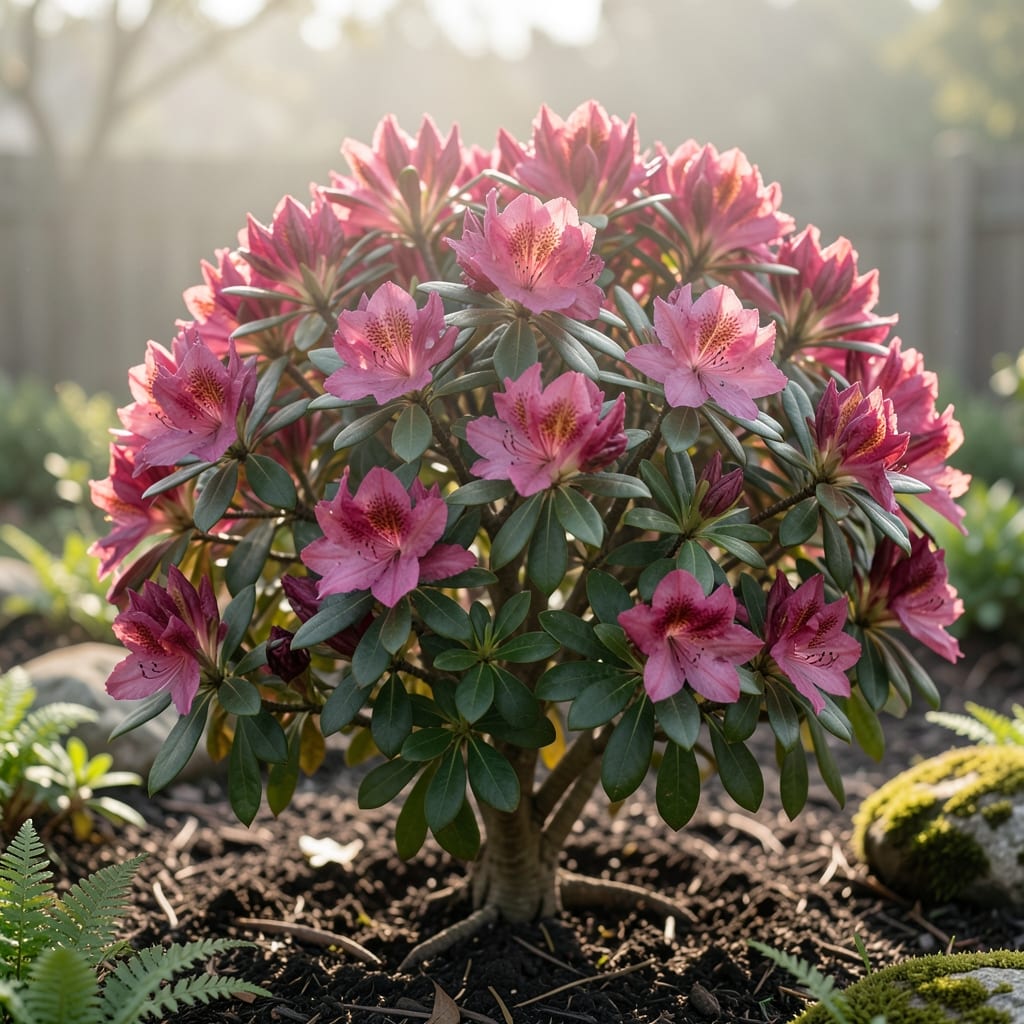
Curious how tall do azalea plants grow before they outgrow your garden plan? These stunning 🌸 shrubs can range from petite patio darlings to towering landscape stars—sometimes in just a few years.
If you’ve ever pictured azaleas as delicate understory plants, think again. Some varieties stretch over 12 feet tall, while others stay neatly under 3 feet, making them perfect for containers or foundation plantings. The difference comes down to species, care, and where you live.
In this guide, I’ll break down the exact height ranges for popular azaleas—from dwarf Rhododendron simsii to the majestic Rhododendron catawbiense—plus the simple tricks to control their growth. Whether you want a low hedge or a dramatic backdrop, you’ll know exactly what to expect.
Ready to pick the perfect azalea for your space? Let’s dive into the varieties, pruning secrets, and placement tips that’ll keep your garden looking intentional—not overgrown.


Azalea height by type: exact growth ranges for popular varieties
Azaleas come in stunning diversity, and their mature height can transform your garden from a cozy corner to a dramatic focal point. The Rhododendron family—including both evergreen and deciduous types—spans from dwarf varieties under 2 feet to towering shrubs reaching 12+ feet. Your choice depends on space, climate, and whether you prefer low-maintenance patios or privacy hedges.
Evergreen azaleas, like the Southern Indica group, often grow taller and thrive in warmer zones (USDA 7-9), while deciduous types, such as Knaphill hybrids, may stay shorter but burst with vibrant spring blooms. Japanese azaleas, including Kurume and Satsuki varieties, typically remain compact, perfect for container gardens or rockeries.
Climate plays a surprising role—azaleas in cooler zones (USDA 4-6) may grow slower but denser, while those in hot, humid regions can shoot up faster if not pruned. For example, a Georgia Flame azalea might hit 6 feet in Zone 8 but only 4 feet in Zone 5. Always check your local microclimate for accurate predictions.
Here’s a quick reference for mature heights by type, including my top picks for different garden styles:
| Variety | Type | Mature Height (ft) | Best For | Bloom Time |
|---|---|---|---|---|
| Dwarf Evergreen ('Southern Dwarf') | Evergreen | 2–3 ft | Containers, borders | Spring |
| Kurume ('Girard's Pink') | Evergreen | 3–4 ft | Patios, rock gardens | Late spring |
| Satsuki ('Kaleidoscope') | Evergreen | 4–5 ft | Shade gardens | Summer |
| Knaphill ('Alice') | Deciduous | 5–7 ft | Woodland edges | Early spring |
| Catawbiense ('Grandiflorum') | Evergreen | 8–12 ft | Privacy screens | Late spring |
| Girard's ('Hershey's Chocolate') | Evergreen | 6–8 ft | Foundation plantings | Spring |
For small spaces, I recommend the 'Southern Dwarf' or 'Girard’s Pink'—both stay under 4 feet and thrive in 10-inch containers. If you’re designing a privacy hedge, the 'Catawbiense' group is unbeatable, but give them 10+ feet of space to avoid overcrowding. Pro tip: Measure your mature height goals against nearby structures—azaleas near walkways should never exceed 5 feet to prevent tripping hazards.
Evergreen azaleas like 'Grandiflorum' grow 3x taller than their dwarf cousins but require acid
How to control azalea height: pruning, spacing, and root restriction tips
Azaleas grow at different rates based on their variety, but even the tallest types can be managed with the right techniques. Pruning is the most effective way to control height, but timing and method matter. Cutting at the wrong time can reduce blooms or stress your plant. For dwarf varieties, minimal pruning keeps them compact, while standard azaleas may need regular shaping to prevent overgrowth.
Start pruning right after flowering in late spring to avoid cutting off next year’s buds. Use clean, sharp shears to make cuts just above a leaf bud or branch junction. Never prune more than one-third of the plant in a single session, or you risk stunting growth or causing dieback. For a neater look, prune in stages over a few weeks.
📌 Pro Tip: If your azalea is already too tall, don’t panic. You can gradually reduce its height by 1-2 feet per year without harming the plant. Just focus on shaping the top growth and thinning out dense areas to improve airflow.
⚠️ Warning: Over-Pruning Mistakes
❌ DON’T prune azaleas in fall or early spring—this removes next year’s flower buds. ❌ DON’T use dull shears, which can tear branches and invite disease. ❌ DON’T cut into old wood (more than 3 years old), as azaleas rarely regrow from such cuts.
Spacing plays a crucial role in controlling azalea height. Plant dwarf varieties 2-3 feet apart to allow airflow and prevent overcrowding, while taller azaleas need 5-8 feet of space. Overcrowding forces plants to compete for nutrients, often resulting in leggy, weak growth. If you’re planting multiple azaleas, consider their mature size and leave room for them to spread naturally.
For container-grown azaleas, choose pots that are 1-2 sizes larger than the root ball to restrict root growth slightly. This encourages a more compact bush rather than a leggy, top-heavy plant. Use a well-draining, acidic potting mix (pH 4.5-6.0) and fertilize lightly with an acid-loving plant food to support controlled growth.
If your azalea is already too tall for its space, consider root restriction techniques. For in-ground plants, you can bury a pot or barrier around the root zone to limit root expansion. This slows overall growth without harming the plant. Just monitor it closely—if leaves yellow or growth stalls, adjust the restriction or prune back slightly.
Finally, mulch around your azalea with 2-3 inches of organic mulch (like pine bark or shredded leaves) to retain moisture and regulate soil temperature. This helps maintain steady growth and prevents sudden height spikes during warm seasons. With the right care, even the tallest azaleas can stay in check! 🌿