
How To
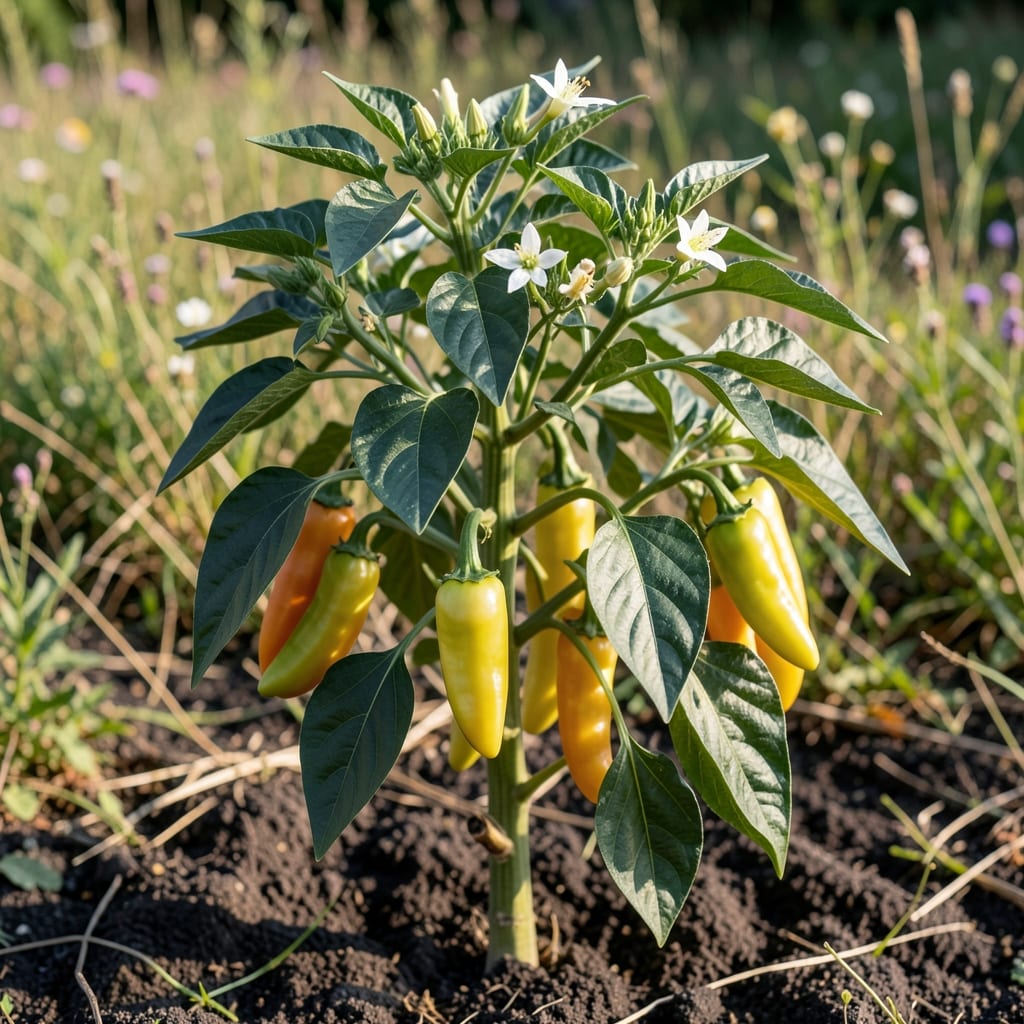
When you picture how tall do banana peppers grow 🌶️, you might imagine a small, easy-to-grow plant—but the truth is, their height can surprise you. These mild, sweet peppers typically reach 12 to 24 inches tall, but with the right care, they can stretch even taller or stay compact depending on your goals.
If you're growing them in containers, expect a more manageable size, while in-ground plants may lean toward the taller end of the spectrum. The key to controlling their height lies in sunlight, soil quality, and even the variety you choose—so let’s break down what influences their growth.
Whether you're working with limited space or dreaming of a bountiful harvest, understanding these factors will help you maximize your banana pepper’s potential. I’ll share simple tips to encourage the perfect height for your garden setup.
From dwarf varieties that fit neatly on a windowsill to bushy plants that thrive in raised beds, we’ll cover everything you need to know to grow banana peppers that match your space—and your harvest goals.

Banana pepper height guide: compact varieties vs. giant harvests
Banana peppers are one of the most versatile peppers in your garden, offering both mild heat and a sweet, tangy flavor. But how tall will your plants grow? The answer varies dramatically—from dwarf varieties perfect for containers to tall bushy giants that need space in your garden bed. Understanding these differences helps you choose the right variety for your space and maximize your harvest.
Most banana pepper plants reach mature heights between 2 and 4 feet, but some varieties can stretch taller with proper care. The key factors influencing height include genetics (variety), growing conditions, and pruning habits. For example, a dwarf banana pepper might stay under 2 feet, while a standard variety could easily top 3 feet. Let’s break down the specifics so you can plan your garden layout like a pro.
Here’s where things get interesting: banana peppers aren’t just about height—they’re also about bush density and fruit production. A taller plant doesn’t always mean more peppers, and a compact plant can still yield a bountiful harvest if cared for correctly. Whether you’re growing in containers on a balcony or in in-ground garden beds, knowing your plant’s potential height helps you avoid overcrowding and ensures each plant gets the sunlight and nutrients it needs to thrive.
🌱
| Variety | Mature Height | Best For | Spacing Needs |
|---|---|---|---|
| Dwarf Banana Pepper | 18–24 inches | Containers, patios, small gardens | 12–18 inches apart |
| Standard Banana Pepper | 24–36 inches | Garden beds, raised beds | 18–24 inches apart |
| Giant Banana Pepper | 36–48 inches | Large gardens, trellises | 24–36 inches apart |
| Mini Banana Pepper | 12–18 inches | Window boxes, indoor growing | 6–12 inches apart |
If you’re growing banana peppers in containers, choose a dwarf or mini variety to avoid root-bound stress. A 5-gallon pot is ideal for dwarf types, while standard varieties need at least a 10-gallon container to reach their full height potential. For in-ground planting, spacing is everything. Crowding plants leads to poor airflow, which increases the risk of fungal diseases like powdery mildew and stunts growth.
Another factor to consider is pruning habits. Regular pruning encourages bushier growth and more fruit production, while minimal pruning allows plants to grow taller. If you’re aiming for taller plants, avoid heavy pruning, but if you want a compact shape, prune the top growth to encourage lateral branches. This technique is especially useful for container-grown plants where height control is key.
For those growing banana peppers in cooler climates, height may be slightly reduced due to slower growth rates. However, with extended season techniques like row covers or greenhouses, you can push plants to reach their full potential. In warmer climates, banana peppers grow faster and taller, sometimes exceeding the typical height ranges if not pruned.
🌿
One common mistake gardeners make is assuming all banana peppers grow the same height. Variety selection is critical—some are bred specifically for compact growth, while others are designed to tower and spread. Always check the seed packet or plant tag for height expectations before planting. This small step saves you from overcrowding or underutilizing space in your garden.
To give your banana peppers the best chance at reaching their ideal height, focus on three key elements: full sun exposure, well-draining soil, and consistent watering. Banana peppers thrive in 6+ hours of direct sunlight daily, so place them in the sunniest spot in your garden. Amend your soil with compost or aged manure to ensure it’s rich in nutrients, and water deeply once or twice a week, depending on your climate.
🪴
Banana pepper height guide: compact varieties vs. giant harvests
Banana peppers typically grow between 2 to 4 feet tall, but their final height depends heavily on the variety you choose. Dwarf varieties like 'Little Sweet' stay compact at 18-24 inches, making them perfect for containers or small gardens. Meanwhile, standard types like 'Banana Pepper' can reach 3-4 feet when grown in ideal conditions. Knowing your plant's potential height helps with spacing and support planning.
Giant varieties like 'Hungarian Wax' can even exceed 4 feet with proper care, producing larger fruit clusters. These taller varieties need more space and sturdier support to prevent sprawling. If you're growing in containers, dwarf or semi-dwarf varieties are your best bet, as they adapt better to 5-gallon pots or larger.
Here’s how different banana pepper varieties compare in height and growth habits:
| Variety | Mature Height | Best For | Spacing Needs |
|---|---|---|---|
| Little Sweet | 18–24 inches | Containers, small gardens | 12–18 inches apart |
| Banana Pepper | 3–4 feet | In-ground gardens, raised beds | 18–24 inches apart |
| Hungarian Wax | 4–5 feet | Large gardens, trellises | 24–30 inches apart |
Sunlight is the #1 factor influencing banana pepper height. These plants thrive in full sun (6+ hours daily), but insufficient light leads to leggy, weak growth. If your garden gets partial shade, expect plants to stay shorter and produce fewer peppers. For container growers, place pots in the sunniest spot available, even if it means moving them throughout the day.
Soil quality also plays a role. Banana peppers prefer well-draining, fertile soil with a pH between 6.0 and 7.0. Amend heavy or clay soil with compost to encourage robust root development, which supports taller growth. Overcrowding stunts height, so follow spacing guidelines—especially for taller varieties—to avoid competition for nutrients.
Pro tip: If you’re growing banana peppers in containers, choose larger pots (at least 5 gallons) to accommodate root growth. Smaller pots restrict height and limit fruit production. For in-ground planting, till in 2 inches of compost before transplanting seedlings to give them a nutrient boost from day one.