
Size
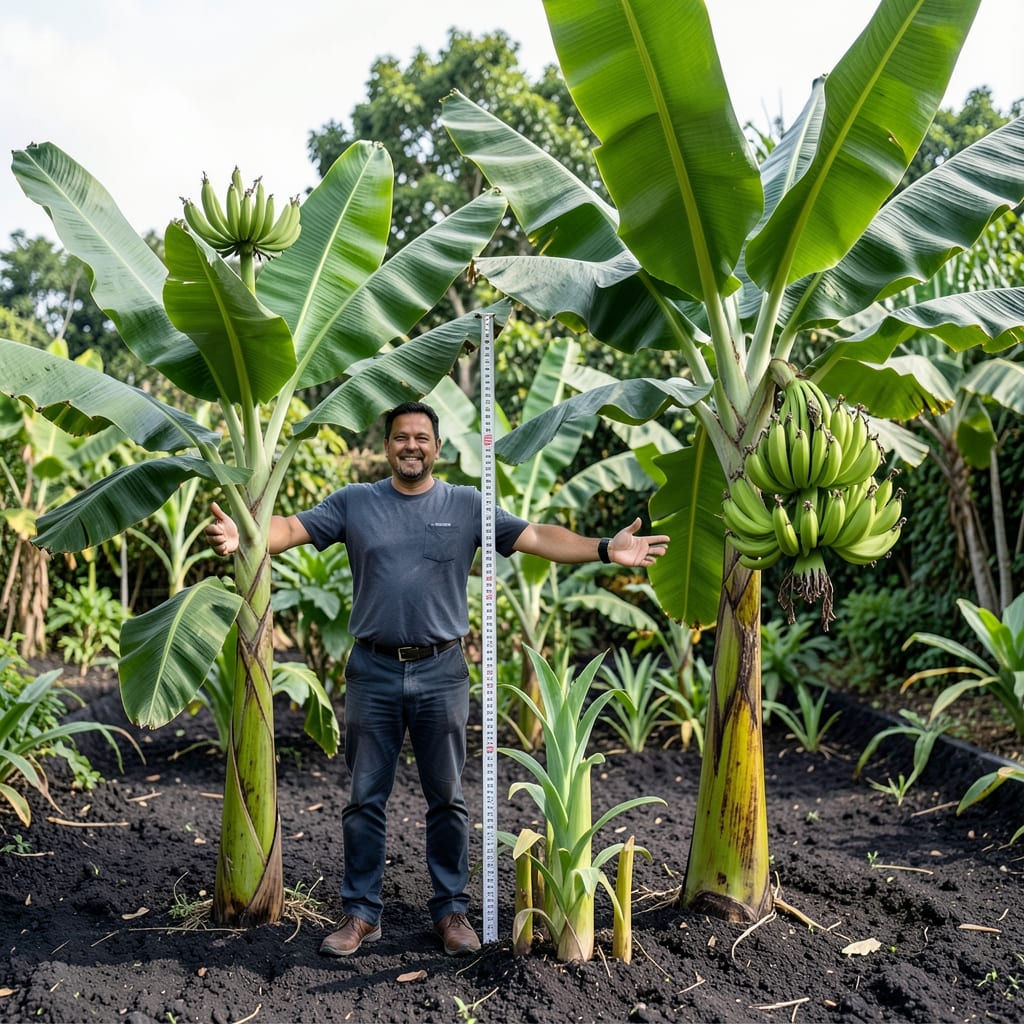
If you're wondering how tall do banana plants grow, you might be surprised to learn that these tropical beauties can range from waist-high dwarfs to towering giants reaching 25 feet or more. Picture this: a 🍌 plant that starts as a small clump but eventually grows taller than your garage door—it’s a gardener’s dramatic transformation story!
Not all banana varieties play by the same rules, though. Some, like the Lady Finger banana, stay compact at just 6-10 feet, making them perfect for containers or small gardens. Meanwhile, the Cavendish—a classic grocery store favorite—can stretch up to 18 feet, demanding more space and careful planning.
But here’s the thing: height isn’t just about aesthetics. The size of your banana plant can affect everything from fruit production to how much maintenance it needs. A taller plant might yield more bananas, but it also requires stronger support and better airflow to stay healthy.
Ready to discover which variety fits your space—and how to keep it thriving? Let’s break down the differences, from dwarf varieties for balconies to giants for larger gardens, so you can grow the perfect 🍌 for your needs.


Banana plant height by variety: from dwarf to towering giants
When you ask how tall do banana plants grow, the answer depends entirely on the variety you choose. Banana plants aren’t true trees—they’re giant herbaceous plants with pseudostems that grow from the base. Some varieties mature in just 12 months, while others take 2+ years to reach their full height. The key difference? Genetics and growing conditions dictate whether your banana plant will stay at 6 feet or shoot up to 25 feet or more.
If you’re working with limited space, dwarf varieties like Lady Finger or Dwarf Cavendish are your best bet, topping out at 6-10 feet. These are perfect for containers or small gardens. On the other end of the spectrum, Musa acuminata (wild bananas) and Plantain varieties can reach 15-25 feet, making them more suited for large yards or tropical climates where they can thrive year-round.
Here’s the surprising part: even fruit size isn’t directly tied to height. Some short banana plants produce bunch after bunch of small, sweet fruits, while taller varieties might yield fewer but larger bananas. It’s all about balance—height affects support needs, pruning frequency, and even harvesting ease.
Let’s dive into the specifics with a quick comparison of the most popular varieties and their mature heights. This will help you decide which banana plant fits your space—and your patience for waiting on those 🍌 harvests.
| Variety | Mature Height | Growth Timeline | Best For |
|---|---|---|---|
| Dwarf Cavendish | 6-10 ft | 12-18 months | Containers, small gardens |
| Lady Finger | 6-9 ft | 10-14 months | Ornamental, small fruit |
| Semi-Dwarf Cavendish | 10-15 ft | 18-24 months | Balconies, medium gardens |
| Red Dacca | 12-18 ft | 20-24 months | Tropical climates, large fruit |
| Musa acuminata (Wild Banana) | 15-25 ft | 24-36 months | Large gardens, experimental growing |
| Plantains (e.g., Horn) | 15-20 ft | 18-24 months | Cooking, warm climates |
Notice how dwarf varieties like the Lady Finger mature faster but stay shorter, while taller varieties like Musa acuminata take longer to grow but can produce larger bunches of fruit. If you’re growing bananas in containers, stick to dwarf or semi-dwarf varieties—they won’t outgrow their pots as quickly as their taller cousins.
One common misconception is that taller banana plants always mean better fruit production. That’s not necessarily true! Some short banana plants produce more frequent harvests because they’re easier to maintain and less prone to wind damage or pest issues. For example, a 6-foot Lady Finger might give you 3-4 harvests per year if cared for properly, while a 20-foot Plantain could yield just 1-2 massive bunches every 2 years.
Height also plays a role in pruning and support. Taller varieties often need staking or trellising to prevent the pseudostem from toppling
Factors that influence banana plant height growth
When you’re wondering how tall do banana plants grow, remember that height isn’t just about the variety—it’s also about the care you provide. Banana plants are sensitive to their environment, and small changes in your gardening routine can make a big difference in their final height. For example, a Lady Finger banana might stay under 10 feet with proper pruning, while the same variety could shoot up to 15 feet if left unchecked in ideal conditions.
One of the biggest factors is sunlight exposure. Banana plants thrive in full sun (6+ hours daily), but too much scorching heat can stunt growth or cause stress. In hotter climates, like USDA Zones 10-12, they might grow taller and faster, while cooler zones could see slower, more compact growth. If you’re growing indoors near a south-facing window, expect a shorter, bushier plant compared to outdoor varieties.
🌱
⚠️ Warning: Overwatering Can Stunt Growth
Banana plants love moisture, but waterlogged soil can suffocate roots and lead to stunted growth or even disease. Aim for deep watering (1-2 gallons weekly) in the morning to keep soil evenly moist without drowning the plant. If your banana starts leaning or dropping leaves, it might be a sign of root rot from overwatering.
Another critical factor is soil quality and nutrients. Banana plants are heavy feeders and need well-draining, nutrient-rich soil to reach their full height potential. If your soil is poor, your plant might focus energy on survival rather than growth, resulting in a shorter stature. I recommend amending your soil with compost or banana-specific fertilizer (10-10-10 NPK) every 4-6 weeks during the growing season to encourage healthy, vigorous growth.
Pruning also plays a surprising role in height control. Many gardeners assume pruning keeps banana plants small, but it’s actually about directing energy. Removing suction shoots (pups) can help the main plant focus on growing taller and producing fruit, while leaving them can create a bushier, shorter plant. If you’re growing a dwarf variety like Dwarf Cavendish, regular pruning of excess leaves and shoots can keep it under 10 feet even in ideal conditions.
Finally, climate and temperature can dramatically affect height. Banana plants in tropical zones (10-12) grow fastest and tallest, sometimes reaching 25 feet in a single season. In cooler zones, like Zone 9 or below, growth slows significantly, and plants may only reach 12-15 feet unless grown in containers and brought indoors during winter. If you’re in a transitional zone, consider container growing to control height and protect the plant from frost.
With the right balance of sunlight, water, soil, and pruning, you can guide your banana plant’s growth—whether you want a towering giant for dramatic impact or a compact dwarf for containers. The key is consistency and observation; your banana plant will thank you with lush leaves and (hopefully!) delicious fruit.