
Trees
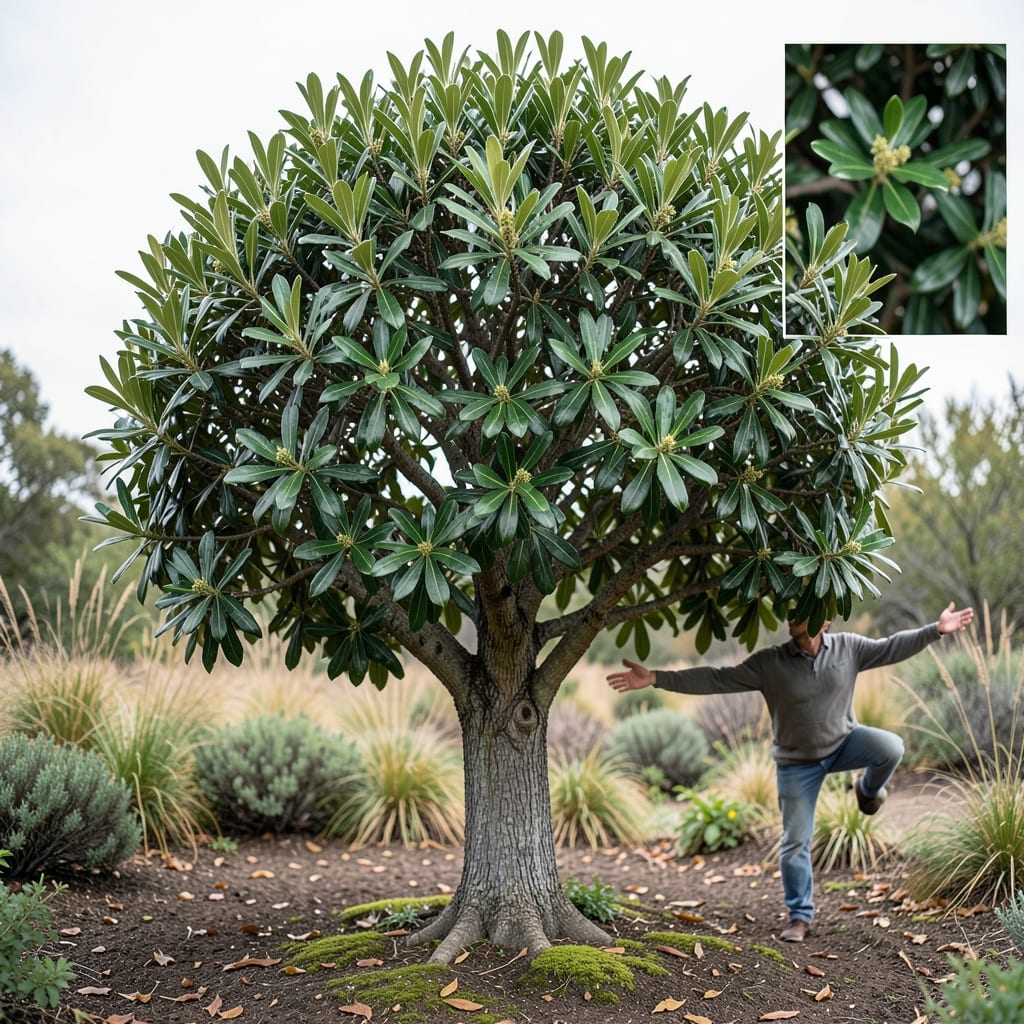
Curious about how tall do bay trees grow before committing to one for your garden? You’re not alone—this evergreen beauty can surprise you with its size range, from tiny tabletop varieties to towering giants that need serious space.
The average bay tree 🌿 (like the classic Laurus nobilis) can reach 10 to 40 feet tall when planted outdoors, but dwarf varieties stay under 8 feet, making them perfect for containers or small yards. Whether you’re dreaming of a fragrant kitchen herb or a statement plant, size matters—and so does where you grow it.
Sunlight, pruning, and even your USDA zone (like 6a) play a huge role in how tall your bay tree becomes. I’ll break down the exact heights by variety, plus the secrets to keeping yours compact—whether you’re growing it indoors or outdoors.
Ready to pick the perfect size for your space? Let’s dive into the details so you can enjoy your bay tree without the regrets (or the overgrown mess).

Bay tree height by variety: from dwarf to giant sizes
Bay trees (Laurus nobilis) are stunning evergreens prized for their fragrant leaves and elegant foliage, but their height varies dramatically depending on the variety. The standard Sweet Bay Laurel can reach 20-40 feet tall outdoors, while dwarf varieties stay under 10 feet—making them perfect for containers or small gardens. Choosing the right variety ensures your bay tree fits your space while thriving.
If you're planning for a backyard centerpiece, standard varieties like Tuscan Bay will dominate with their towering presence. But for indoor growth or urban patios, dwarf varieties like Dwarf Bay Laurel or Purple Bay keep things manageable. Let’s break down the height ranges and growth habits of the most popular types so you can pick the perfect fit.
🌿 Key Takeaway: Bay tree height isn’t just about genetics—pruning, sunlight, and container size play huge roles in controlling growth. Even standard varieties can be kept smaller with the right care.
For outdoor planting, standard varieties like Sweet Bay and Tuscan Bay thrive in full sun and well-draining soil, reaching their full height potential in 10–15 years. These giants are perfect for privacy screens or landscape focal points, but they’ll need regular pruning to manage their size if space is limited.
If you’re growing bay trees indoors or in containers, dwarf varieties like Dwarf Bay Laurel or Angustifolia are your best bet. These stay under 10 feet and can even be pruned into bushy shrubs or small trees. Just ensure your container is at least 18–24 inches wide to accommodate root growth and prevent stunted development.
One common misconception is that bay trees grow equally well in shade, but sunlight directly impacts height. A bay tree in partial shade may grow 30–50% slower than one in full sun, staying shorter but often with denser foliage. For maximum fragrance and growth, aim for at least 6 hours of direct sunlight daily.
Another factor to consider is pruning frequency. Bay trees respond well to regular pruning, which can reduce height by 50% if done correctly. For example, a 10-foot tall standard bay tree can be kept at 5 feet with annual pruning in late winter or early spring. Just avoid heavy pruning in fall or winter, as this can stress the plant.
For urban gardeners with limited space, Purple Bay is a stunning choice—its golden-yellow leaves add visual interest while staying under 25 feet outdoors. Indoors, it thrives in large pots and can be pruned into a topiary shape for a polished look. Pair it with herbs like rosemary or thyme for a fragrant, low-maintenance indoor garden.
If you’re still unsure which variety fits your space, start with a Dwarf Bay Laurel. It’s hardy, slow-growing, and adaptable, making it ideal for beginners. Plus, its compact size means you can experiment with indoor growth before committing to a larger outdoor tree.
Remember: Bay trees are long-lived, with some varieties reaching 50+ years in ideal conditions. Choose wisely—your height expectations today will shape your garden for decades to come! 🌳
How fast do bay trees grow? Growth rates and pruning tips
Bay trees are known for their slow-to-moderate growth, but their annual height gain can vary dramatically based on variety, care, and environment. On average, expect 6 to 24 inches of growth per year—though some dwarf varieties may grow just 3 to 6 inches annually. In ideal conditions, like full sun and rich soil, a standard Sweet Bay (Laurus nobilis) can surge to 24 inches per year during its first decade.
For example, a Tuscan Bay might reach 10 feet in 5 years, while a Purple Bay could take 7 to 10 years to hit the same height. Growth slows significantly after 10 to 15 years, often dropping to just 6 to 12 inches per year. This is why pruning early is key to managing height and shaping your tree.
🌿
📌 Bay Tree Growth Rates by Age
- 🌱 Years 1-5: 12-24 inches/year (fastest growth phase)
- 🌳 Years 6-10: 6-18 inches/year (steady growth, responsive to care)
- 🌲 Years 11+: 3-12 inches/year (slowing down, woody trunk develops)
💡 Pro Tip: Prune annually in late winter to encourage bushier, slower vertical growth.
Three key factors influence how tall your bay tree grows: sunlight exposure, soil quality, and container size. Bay trees thrive in full sun (6+ hours daily), but they’ll grow taller and leggier in low-light conditions. Poor, compacted soil can stunt growth, while well-draining, nutrient-rich soil fuels rapid expansion. If growing in a container, root-bound conditions will slow height growth but may encourage wider foliage.
Pruning isn’t just for shaping—it’s a growth hack. Regular pruning reduces height by 20-30% while promoting denser foliage. Use sharp, sterilized shears to trim back 1/3 of new growth in late winter or early spring. Avoid heavy pruning in summer or fall, as this can stress the tree and spur weak, fast growth that’s prone to disease.
For indoor bay trees, growth rates drop significantly due to limited light and space. Expect 3 to 12 inches per year indoors, even with ideal care. To maximize height control, rotate the pot weekly for even light exposure and repot every 2-3 years to refresh soil and roots. A 15-gallon container is ideal for keeping a bay tree under 6 feet tall indoors.
🪴