
Trees
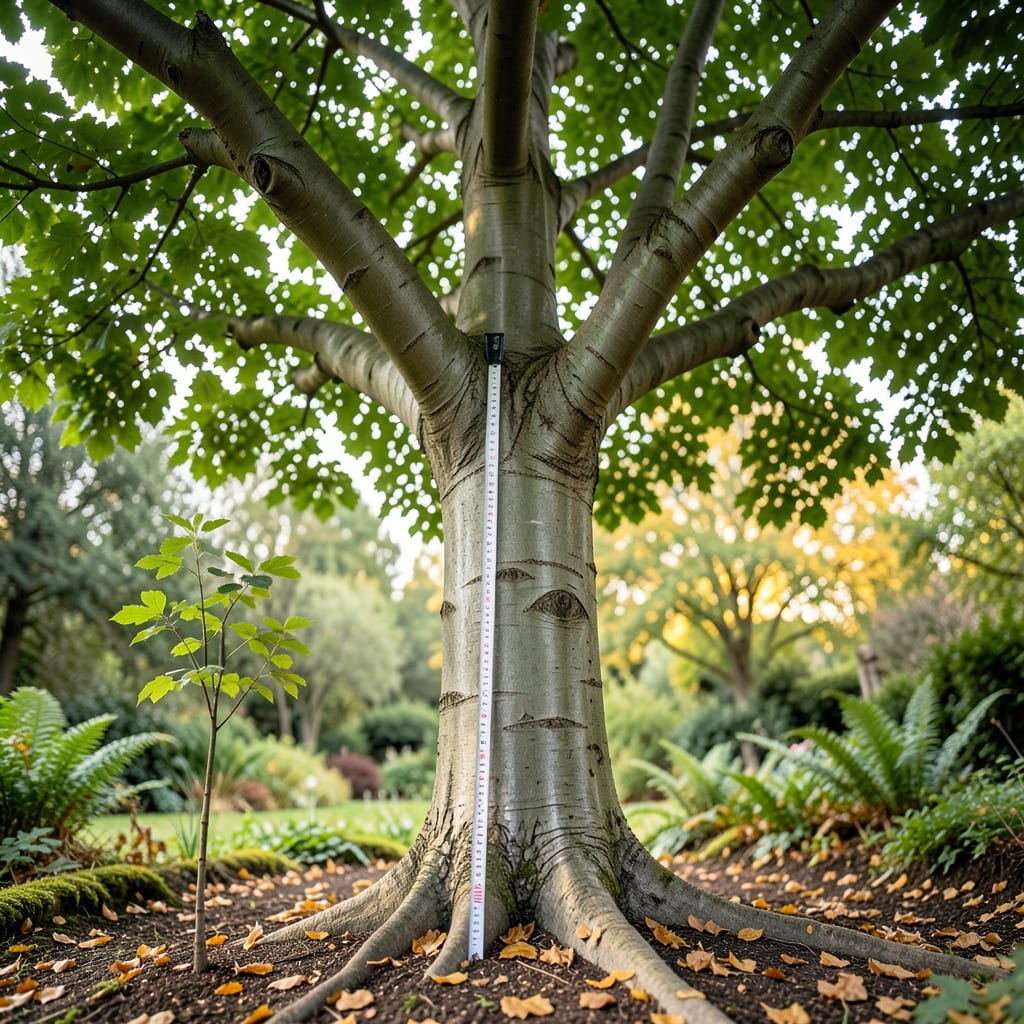
Wondering how tall do beech trees grow and whether they’ll dwarf your backyard dreams? These stately 🌳 trees can reach heights of 40 to 80 feet—taller than a 4-story building—making them a stunning but strategic choice for your landscape.
If you’re considering planting one, you’ll love that beech trees grow relatively fast in their early years, gaining 3 to 5 feet annually before slowing as they mature. But here’s the catch: their towering presence means you’ll need plenty of space and thoughtful planning to avoid future headaches.
In this guide, I’ll break down the height ranges of the fastest-growing beech species, like the American and European varieties, so you can pick the perfect fit for your yard. You’ll also discover how to maximize their growth with the right soil, sunlight, and pruning techniques—plus, whether they’re better suited for sprawling estates or cozy home gardens.
Ready to turn your outdoor space into a shade-filled sanctuary? Let’s dive into everything you need to know to grow a beech tree that’s both breathtaking and manageable.

Mature height ranges of beech trees by species: fastest-growing varieties explained
Beech trees are architectural marvels that can transform any landscape into a serene woodland retreat. But before you plant one, understanding their mature height is crucial—especially if you're working with limited space or aiming for a specific aesthetic. The American beech (Fagus grandifolia) and European beech (Fagus sylvatica) are the most common species, but their growth habits vary dramatically. Some varieties even grow 30% faster than others, making them ideal for gardeners eager to see quick results.
If you're planning a long-term investment, beech trees can live for 200-300 years, with their height stabilizing in midlife. However, their early growth is what truly impresses. For example, a Copper beech (Fagus sylvatica 'Purpurea') can reach 60 feet in just 30 years, while a standard American beech might take 50 years to hit the same height. Let’s break down the specifics so you can choose the perfect variety for your needs.
🌳
| Species | Mature Height (ft) | Growth Rate (ft/year) | Lifespan (years) | Best For |
|---|---|---|---|---|
| American Beech (Fagus grandifolia) | 60-80 ft | 1-2 ft | 200-300 | Large estates, parks |
| European Beech (Fagus sylvatica) | 50-70 ft | 1.5-2 ft | 250-400 | Urban landscapes, hedges |
| Copper Beech (Fagus sylvatica 'Purpurea') | 50-65 ft | 2-3 ft | 200-300 | Colorful gardens, focal points |
| Dwarf Beech (Fagus sylvatica 'Fastigiata') | 15-25 ft | 0.5-1 ft | 150-200 | Small yards, containers |
| Weeping Beech (Fagus sylvatica 'Pendula') | 40-50 ft | 1-1.5 ft | 150-250 | Garden accents, shade |
The American beech is the tallest of the bunch, often surpassing 80 feet in ideal conditions, while the European beech typically maxes out around 70 feet. However, if you're after a faster-growing option, the Copper beech stands out with its 2-3 feet per year growth spurt during its prime. This makes it a fantastic choice if you're looking to create instant impact in your landscape.
For those with limited space, the Dwarf Beech is a game-changer. It stays under 25 feet tall, making it perfect for small yards or even large containers. Meanwhile, the Weeping Beech offers a dramatic, cascading silhouette while still reaching 40-50 feet at maturity. Its graceful branches add a touch of elegance to any garden.
When selecting a beech tree, consider your climate zone and soil type. Beech trees thrive in USDA zones 4-8 and prefer well-draining, slightly acidic soil. If your soil is heavy clay, amending it with compost can significantly boost growth rates. Additionally, planting in full sun to partial shade ensures your tree reaches its full height potential.
One common misconception is that all beech trees grow at the same pace. In reality, pruning and care play a huge role in determining how tall your
How to maximize beech tree growth: soil, sunlight, and pruning tips for tallest results
Beech trees reach their maximum height potential when given the right growing conditions. The key to encouraging rapid vertical growth lies in three critical factors: soil quality, sunlight exposure, and proper pruning techniques. Let’s dive into how you can optimize each of these to grow a towering beech tree in your landscape.
First, soil preparation is non-negotiable for tall beech trees. These trees thrive in well-draining, slightly acidic soil with a pH between 4.5 and 6.5. Amend heavy clay soils with compost or organic matter to improve aeration and nutrient availability. A deep root system is essential for supporting their impressive height, so avoid planting in compacted or waterlogged areas.
🌱
🌿 Pro Tip: Boost Growth with These Soil Secrets
- Test soil pH before planting—aim for acidic conditions (4.5-6.5).
- Mulch 3-4 inches deep around the base to retain moisture and regulate soil temperature.
- Add mycorrhizal fungi to the planting hole to enhance root development and nutrient uptake.
🌿
Sunlight plays a pivotal role in determining how tall your beech tree will grow. While they tolerate partial shade, full sun exposure (6-8 hours daily) significantly accelerates growth rates. Plant your beech tree in a location with morning sun and afternoon shade to prevent heat stress, especially in hot climates. Young trees benefit from filtered sunlight, while mature specimens can handle more direct light.
Pruning is often overlooked but is crucial for maximizing height. Structural pruning in early spring removes weak or crossing branches, allowing the tree to allocate energy upward. Avoid topping or heavy pruning, as this can stunt growth and create weak branch structures. Instead, focus on selective pruning to maintain an open canopy and encourage vertical growth.
Climate also influences how tall beech trees grow. In cooler climates (USDA Zones 4-7), growth rates are faster due to longer growing seasons. However, in warmer zones (8-9), growth may slow without adequate water and shade. Monitor your tree’s response to local conditions and adjust care accordingly—consistent moisture during dry spells is key to sustaining rapid height gain.
For the fastest-growing results, combine these strategies: rich soil, optimal sunlight, and mindful pruning. With patience and proper care, your beech tree could reach its full height potential of 60-80 feet within 30-50 years, becoming a stunning centerpiece for your landscape.
✂️