
Size
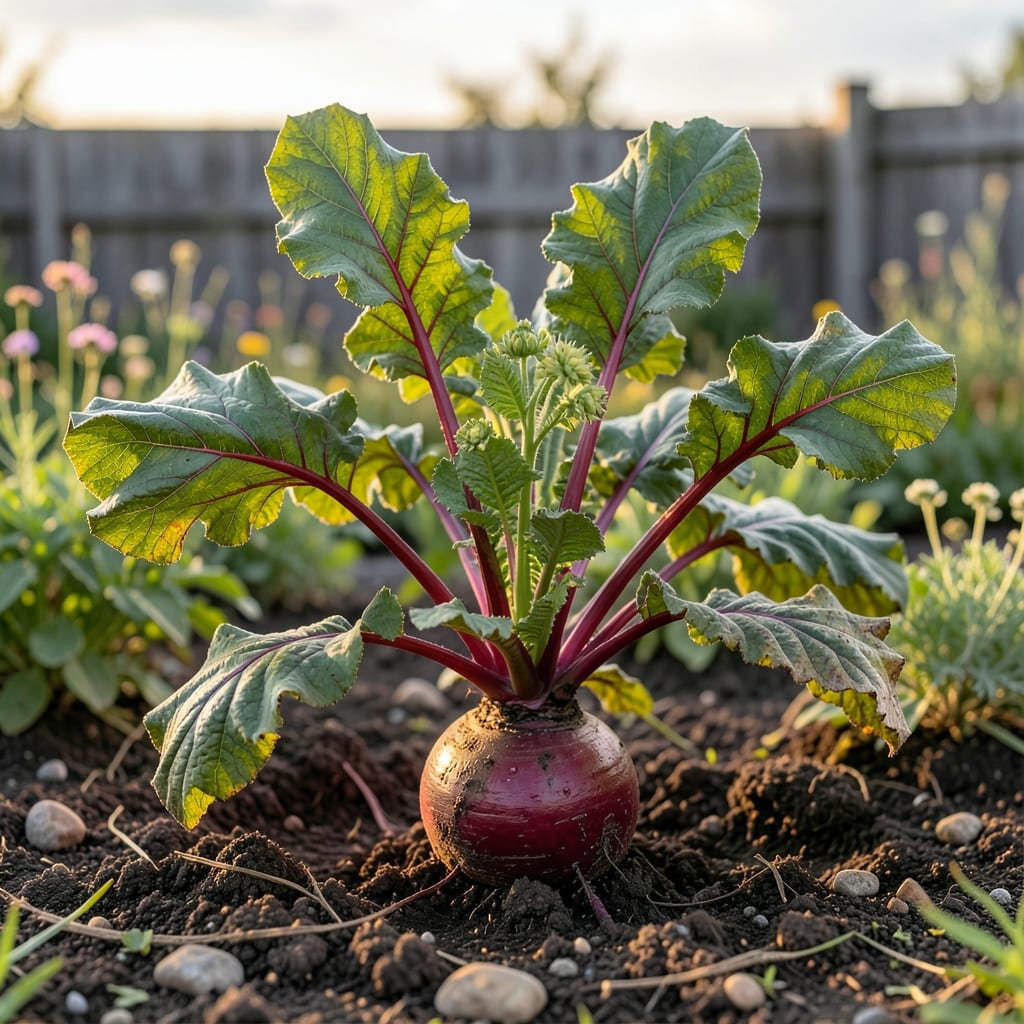
If you’ve ever planted beets and wondered how tall do beets grow, you’re not alone—this tiny seed can surprise you with its size! Whether you’re growing them for their earthy roots or tender greens, understanding their height helps you plan your garden layout and avoid overcrowding. Some varieties stay compact, while others reach nearly 18 inches tall, making them a flexible choice for small or large plots alike.
Beets like the classic Detroit Dark Red typically grow 1-2 feet tall, with roots swelling to 2-3 inches in diameter when mature. But don’t let their size fool you—leafy varieties, like the Swiss Chard-type beets, can stretch even taller, up to 12-18 inches, while their greens flourish. The key to controlling their height lies in proper spacing, soil quality, and knowing when to harvest.
Sunlight and soil play a huge role in how tall your beets grow. Plant them in full sun (at least 6 hours daily) and well-draining soil to encourage strong, upright growth. Overcrowding or poor soil can lead to leggy, weak plants, so thin seedlings early to give them room to breathe. With the right care, you’ll get the perfect balance of size and flavor—no guesswork needed!
Ready to grow beets that fit your space? I’ll break down the exact heights by variety, plus pro tips to keep them from sprawling. Let’s get those 🍠 beets thriving in your garden!


Beet height by variety: exact dimensions for 10 most grown types
Beets are one of those garden plants where height isn’t just about aesthetics—it’s about harvest timing, flavor, and space planning. While most gardeners focus on root size, the leafy greens can grow just as tall, sometimes even taller than the roots themselves. For example, the Detroit Dark Red variety might produce roots that are 3 inches wide but leaves reaching 12 inches high. Understanding these differences helps you choose the right variety for your garden layout.
The key to managing beet height starts with variety selection. Some types are bred to stay compact, while others grow taller for leaf production. Below, I’ve broken down the 10 most popular beet varieties by their mature height, including both root and leaf dimensions. This way, you can pick the perfect fit for your garden’s vertical space—or even container growing!
| Variety | Root Size (Diameter) | Leaf Height | Mature Height (Total) | Best For |
|---|---|---|---|---|
| Detroit Dark Red | 2-3 inches | 10-12 inches | 12 inches | Roots & greens |
| Golden | 1.5-2.5 inches | 8-10 inches | 10 inches | Baby beets |
| Chioggia (Striped) | 2-3 inches | 12-14 inches | 14 inches | Salads & slicing |
| Babybeat | 1-1.5 inches | 6-8 inches | 8 inches | Containers |
| Detroit Dark Red Ball | 3-4 inches | 10-12 inches | 12 inches | Storage |
| Luttrell Straight Eight | 1-2 inches | 8-10 inches | 10 inches | Baby beets |
| Ruby Queen | 2-3 inches | 10-12 inches | 12 inches | Greens-heavy |
| Cylindra | 1-2 inches (long) | 8-10 inches | 10 inches | Pickling |
| Boltardy | 2-3 inches | 10-12 inches | 12 inches |
How to control beet height: pruning, spacing, and soil secretsOnce you’ve picked your beet variety, the next step is managing their height to ensure a bountiful harvest. Beets don’t need pruning like tomatoes, but proper spacing, thinning, and soil care can make all the difference. For example, planting Babybeat varieties too close will stunt their growth, while giving them room to spread encourages both root and leaf development. Let’s dive into the practical tips that keep your beets at the perfect height—whether you’re growing them for roots or greens. Thinning seedlings is one of the most effective ways to control beet height. When your seedlings reach 2-3 inches tall, thin them to 3-4 inches apart for standard varieties or 2-3 inches for baby beets. This might sound harsh, but crowded beets compete for nutrients, leading to smaller roots and leggy greens. I once thinned my Detroit Dark Red beets too late, and the roots stayed puny—until I gave them space! A little effort early on pays off big time at harvest. 5 Pro Tips to Manage Beet Height
Soil quality is another game-changer for beet height. Beets thrive in loose, well-draining soil with a pH between 6.0 and 7.0. If your soil is heavy or clay-like, amend it with compost or aged manure before planting. I once grew beets in compacted soil, and the roots grew crooked and small—until I added a 2-inch layer of compost. The difference was night and day! Avoid fresh manure, though, as it can cause nitrate buildup, leading to bitter greens. For container growers, choose dwarf varieties like Babybeat and use a deep pot (at least 12 inches) to accommodate root growth. Fill the container with a mix of potting soil and compost, and water consistently to prevent drying out. Container beets may not grow as tall as in-ground varieties, but with the right care, you’ll still get plump roots and tender greens—perfect for small spaces or balconies. Finally, harvest timing plays a role in managing height. Baby beets (harvested at 1-1.5 inches) stay compact, while mature beets (harvested at 2-3 inches) grow taller. If you’re growing beets for their greens-heavy varieties, like Ruby Queen, you can harvest leaves as needed without pulling the whole plant. This encourages continuous leaf production while keeping the roots small and manageable. With these tips, you’ll avoid leggy, overcrowded beets and instead grow plants that fit your space perfectly—whether you’re after plump roots or lush greens. Happy growing! 🌱 |