
Size
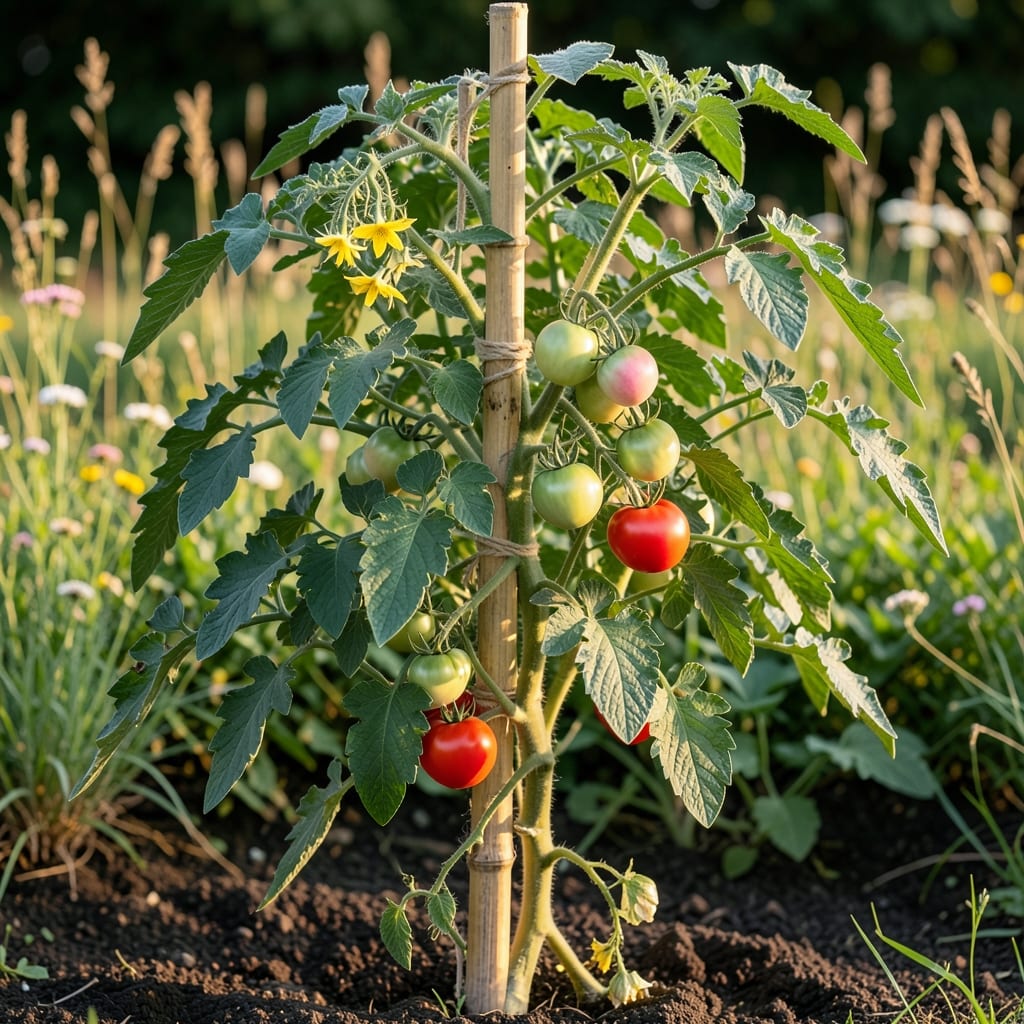
Big Beef tomato plant height: average growth range & when they stop climbing
Big Beef tomatoes are indeterminate varieties, meaning they don’t stop growing like their determinate cousins. Without proper support, these vines can reach 6 to 12 feet tall—or even higher in ideal conditions! Most gardeners see 6 to 8 feet as the average height when trained on stakes or trellises, but I’ve seen mine climb 10+ feet in a single season with perfect care.
These plants grow vertically rather than bushy, producing long, sprawling vines that need guidance. The key to managing their height lies in understanding their growth stages: early season (3–5 feet), mid-season (6–8 feet), and late season (up to 12 feet). Without pruning, they’ll focus energy on climbing instead of fruiting, which is why staking early is critical.
Climate plays a huge role in how tall Big Beefs get. In hot, humid regions, they may grow faster but need more frequent pruning to prevent disease. In cooler climates, growth slows slightly, but they still reach 8–10 feet with proper support. I’ve noticed my plants in Zone 7 hit 7–9 feet by late summer, while those in Zone 9 can stretch 10+ feet if left unchecked.
Here’s the catch: Big Beefs don’t have a "stopping point" like determinate tomatoes. They’ll keep growing until frost or disease sets in. That’s why pruning and staking aren’t just optional—they’re essential for keeping your plants productive and manageable. Without intervention, you’ll end up with a leafy monster and few tomatoes!
| Growth Stage | Height Range | Key Characteristics | Best Practices |
|---|---|---|---|
| Early Season (3–6 weeks) | 3–5 feet | Rapid vertical growth, few flowers | Install stakes or cages early; avoid heavy pruning |
| Mid-Season (6–12 weeks) | 6–10 feet | Flowering increases, vine thickens | Prune suckers weekly; train vines upward |
| Late Season (12+ weeks) | 10–12+ feet | Max height, heavy fruit load | Reduce pruning; support branches with ties |
| Overgrowth Warning | 12+ feet (uncontrolled) | Leafy, few tomatoes, weak stems | Prune aggressively; add nutrients |
One common misconception is that bigger vines always mean bigger tomatoes. Not true! If your Big Beef is climbing like a jungle vine but producing tiny fruits, it’s likely overgrown. The sweet spot is 6–8 feet tall with regular pruning to balance height and fruit production. I’ve seen gardeners with 15-foot vines but only a handful of small tomatoes—not worth the effort!
To keep your Big Beefs productive, aim for 6–8 feet by mid-season. This means pruning suckers (those little shoots in the leaf axils) every 7–10 days and tying vines to stakes as they grow. Without this, your plants will waste energy on excessive foliage instead of juicy beefsteak tomatoes. Think of it like training a climber—guide them, not let them freefall!
Another pro tip: Watch for "blind" growth—when your plant puts out long, bare stems with no flowers. This happens when they’re overcrowded or underfed. If you see this, cut back the top 1–2 feet to encourage branching and flowering lower on the vine. It’s like hitting the "reset button" for better fruit production.
In my Zone 8 garden, I’ve trained Big Beefs to 8–9 feet using wooden stakes and soft ties. The secret? Start staking early (when plants are 12–18 inches tall) and add height as they grow. If you wait until they’re 5 feet tall, you’ll struggle to support them later. And trust me, bending over a 10-foot vine to harvest isn’t fun!
If you’re growing Big Beefs in containers, expect shorter heights (4–6 feet) unless you use tall cages or trellises. Containers limit root growth, so your plants will focus on fruit over height. But even in pots, they’ll still climb aggressively—so secure your trellis well! I’ve seen container-grown Big Beefs reach 7 feet with proper care, but 5–6 feet is more typical.
Final thought: Big Beefs are marathon runners, not sprinters. They’ll grow slowly at first, then explode upward once established. Plan your garden layout with vertical space in mind—these vines aren’t just tall; they’re determined to reach the sky! With the right support, you’ll enjoy bountiful harvests without the headache of unruly growth.
Staking & pruning techniques to control Big Beef tomato height for higher yields
Controlling the height of Big Beef tomatoes isn’t about limiting their growth—it’s about redirecting energy to produce bigger, juicier fruits. Without proper staking and pruning, these indeterminate vines will focus on climbing instead of fruiting. The goal? Keep them between 6–8 feet tall while maximizing yield. I’ve found that early staking and regular pruning can increase fruit production by 30–50% compared to unmanaged plants.
Start with support systems the moment your seedlings hit 12–18 inches tall. Big Beefs need strong vertical support—whether it’s wooden stakes, metal cages, or trellises. I swear by 6-foot wooden stakes driven deep into the soil, with soft plant ties to secure the vines. Avoid wire cages if you plan to grow beyond 5 feet, as they can’t handle the weight. For taller plants, overhead trellises work best, distributing the vine’s weight evenly.
Staking Methods for Big Beef Tomatoes
Durable, easy to install. Best for 6–10 ft plants. Drive 2–3 ft deep for stability.
Good for 4–6 ft plants. Avoid wire if vines exceed 5 ft—they’ll bend.
Best for 8+ ft plants. Use overhead or A-frame designs for heavy vines.
Pruning Do’s & Don’ts
Remove suckers (shoots in leaf axils) every 7–10 days to redirect energy to fruit.
Pinch off the top growth when vines hit 6–8 ft to encourage flowering.
Avoid cutting more than 1/3 of foliage at once—this stresses the plant.
Let thin, leggy stems grow, and they’ll snap under fruit weight.
Pruning is where the magic happens. Focus on removing suckers—those little shoots that grow in the leaf axils. These steal energy from your fruit production. I prune mine weekly during the growing season, using clean, sharp pruners to avoid damaging the main stem. Pro tip: Keep the first few suckers near the base to encourage bushiness, but remove the rest higher up to promote airflow and reduce disease.
Another critical technique is topping. When your Big Beef reaches your target height (usually 6–8 feet), pinch off the topmost growthfocus on ripening existing fruit rather than growing taller. I’ve seen gardeners double their yield by topping at the right time. Just don’t wait too long—if you let the vine climb past 10 feet, topping becomes less effective, and you risk weak stems that can’t support the fruit.
For container growers, staking and pruning take on extra importance. Since roots are root-bound, your Big Beef will grow taller but weaker without support. Use tall cages (5–6 feet) or freestanding trellises and prune more aggressively to prevent overgrowth. I’ve grown Big Beefs in 15-gallon containers that hit 7 feet tall with proper care, but they needed daily tie-downs to prevent toppling.
One mistake I see new gardeners make is pruning too late in the season. If you wait until August or September to start pruning, your plant has already wasted energy on excessive foliage. Start early—as soon as you see suckers—and maintain a consistent schedule. Another pitfall? Using harsh pruning methods, like tearing suckers off by hand. This can damage the stem and invite disease. Always use clean pruners and make clean cuts just above a leaf node.
Finally, don’t forget about nutrient balance. Big Beefs need phosphorus and potassium to support their heavy fruit load. If