
How To
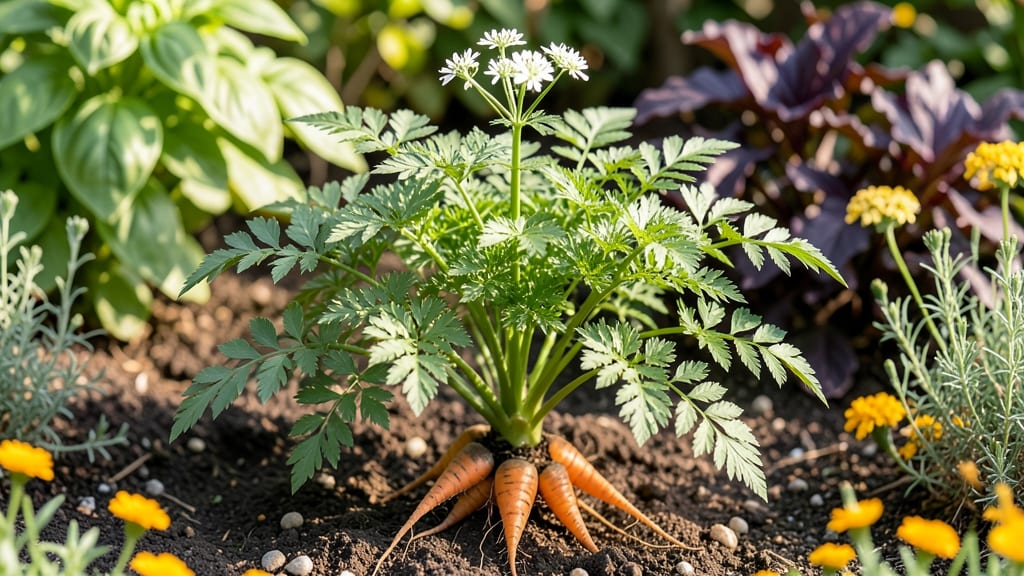
If you’ve ever wondered how tall carrots grow in your garden only to find them barely reaching your waist—or worse, splitting awkwardly in the soil—you’re not alone. The truth is, how tall your carrots grow depends more on the variety you choose than you might think.
Some stay compact and sweet, while others stretch deep like nature’s own storage rods.
Most gardeners assume carrots grow to about 12 inches tall, but that’s just the leafy green part—what’s hidden below is where the magic (and the confusion) happens. Root length can vary wildly, from 3-inch "baby" varieties to 12-inch monsters, all while the tops stay surprisingly consistent.
The key? Matching your soil depth to the variety’s needs.
Whether you’re dreaming of short, snappy snack carrots or deep, storage-worthy roots, the right spacing and soil prep make all the difference. I’ll break down the height ranges of popular varieties and share the simple tricks to grow carrots that actually live up to their potential—no gardening degree required.
Ready to stop guessing and start growing carrots that impress? Let’s dive into the varieties that will transform your garden from "meh" to "mind-blowing" in just a few short months.

Carrot variety height guide: from tiny snack carrots to monster roots
When you picture a carrot, you might imagine a 6-inch orange root with feathery green tops reaching 12 inches tall. But the truth is far more diverse! Carrots come in dozens of varieties, each with unique foliage heights and root lengths.
Some stay compact for snacking, while others grow 18 inches deep—perfect for storage. The key to success? Matching your garden space and soil depth to the right variety.
Most gardeners focus on root length, but foliage height matters just as much. Tall varieties like Danvers or Chantenay can reach 18–24 inches above ground, while baby carrots like Paris Market stay under 6 inches in both root and leaf.
Even the color of your carrots—orange, purple, or yellow—can hint at their mature size!
Here’s the game-changer: Soil depth determines root length, while sunlight and spacing control foliage height. A 12-inch-deep soil bed limits roots to 8–10 inches, while loose, deep soil lets varieties like Autumn King grow 14+ inches.
Let’s break down the most popular types and their mature dimensions so you can pick the perfect fit for your garden.
If you’re growing carrots in containers or raised beds, prioritize shorter varieties like Paris Market or Little Finger. Their 6–10-inch foliage won’t overpower small spaces, and their 3–6-inch roots thrive in shallow soil.
For in-ground gardens, taller types like Danvers or Autumn King shine—but only if your soil is 12+ inches deep.
Pro tip: Purple carrots like Purple Haze often grow slightly taller and leaner than orange varieties. Their 14–18-inch tops add drama to borders, while their 7–9-inch roots store well. For a colorful, space-saving option, try a rainbow mix—it’s perfect for kid-friendly gardens where height variety
How carrot height affects growth: soil depth, spacing, and sunlight needs
Carrot height isn’t just about how tall their leafy tops grow—it’s also about how deep their roots develop.
The foliage height (the green tops) typically ranges from 6 to 24 inches, but the real magic happens below the soil, where roots can stretch 6 to 12+ inches deep.
This balance is influenced by your garden’s conditions, and getting it right ensures plump, straight carrots instead of gnarled, stunted ones.
For example, short-rooted varieties like Paris Market carrots (great for snacking) only need 4 to 6 inches of soil, while long-rooted heirlooms like Danvers or Chantenay demand 12+ inches to grow their signature tapered shapes.
If your soil is shallow, you’ll end up with short, bulbous roots—or worse, carrots that fork or split.
Here’s how to match your carrots to your garden’s depth and spacing needs for optimal growth:
Loose, stone-free soil is non-negotiable. Use a trowel or stick to test depth before planting. Amend heavy or rocky soil with compost or sand to create a 6-inch minimum for short varieties or 12+ inches for long ones.
Plant seeds 1/4 inch deep and thin seedlings to 2 to 4 inches apart. Overcrowding forces carrots to compete for nutrients, resulting in smaller roots and taller, leggy tops as they stretch for sunlight.
Carrots need 6+ hours of full sun daily. Too little sun leads to pale, weak foliage and poor root development. In shady spots, roots may grow slowly and unevenly, while excessive shade causes leafy tops to dominate at the expense of the edible root.
Apply 2 inches of mulch (straw or shredded leaves) to retain moisture and suppress weeds. Dry soil causes carrots to grow hard and woody, while soggy soil leads to rot or forked roots. Mulch keeps soil evenly moist without waterlogging.
When seedlings are 2 inches tall, thin to 2 inches apart for short varieties or 4 inches for long ones. This reduces competition and encourages straighter, thicker roots. Use scissors to avoid disturbing nearby plants.
One common misconception is that taller foliage means healthier carrots—but the opposite is often true. Leggy tops usually signal nutrient deficiencies or overcrowding. If your carrots are growing too tall too fast, check your soil’s phosphorus and potassium levels and adjust with a balanced fertilizer.
For short, stunted growth, test for nitrogen deficiency or compacted soil.
Pro tip: If you’re growing carrots in containers, choose shallow-rooted varieties like Little Finger or Baby Sweet. These thrive in 8-inch-deep pots and produce harvestable roots in just 50 days. For in-ground gardens, rotate crops to prevent soil-borne diseases that can stunt growth.
Remember, the key to uniform carrot height—both above and below ground—is consistency. Monitor your plants weekly, adjust watering and thinning as needed, and soon you’ll be harvesting perfectly shaped, sweet carrots that rival the grocery store (but taste 10x better!). 🥕