
Plants
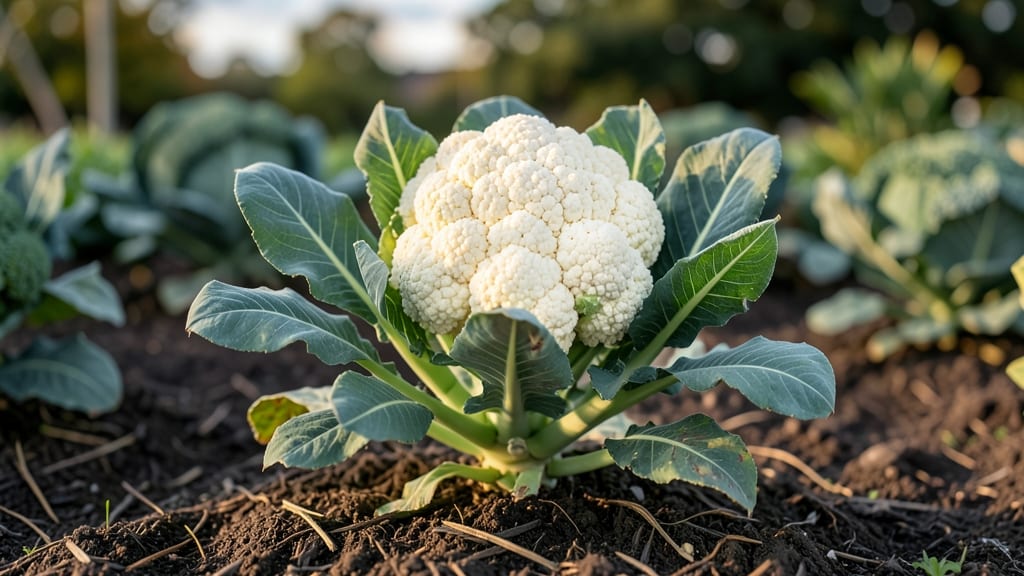
If you’ve ever wondered how tall do cauliflower plants grow in your small garden—or even on a balcony—the answer depends on the variety you choose.
Most mature cauliflower plants typically reach between 18 and 24 inches tall, but some dwarf varieties stay as short as 12 inches, making them perfect for tight spaces.
Understanding how tall your cauliflower plants will grow is the key to planning your garden layout and maximizing your harvest. Whether you're working with limited square footage or simply prefer compact plants, selecting the right variety can make all the difference in how much you can grow without sacrificing space.
In this guide, I’ll break down the height ranges of popular cauliflower varieties, from the shortest dwarf types to the taller standard varieties. You’ll also discover practical tips for managing plant height—like proper spacing and support—to ensure your cauliflowers thrive, no matter how much room you have.
Ready to grow more in less space? Let’s dive into the details so you can choose the perfect cauliflower for your garden—whether it’s a sprawling backyard or a cozy container on your patio.

Cauliflower plant height by variety: compact vs. tall-growing options
When planning your cauliflower garden, height matters—especially if you're working with limited space. Most cauliflower varieties mature between 1 to 2.5 feet tall, but some dwarf types stay under 1.5 feet, making them perfect for containers or small plots.
The key is selecting the right variety for your space and climate.
Taller varieties like 'Romanesco' can reach 2 to 2.5 feet, while compact types such as 'Snowball' or 'Purple of Sicily' top out around 12 to 18 inches. Your choice impacts not just height but also spacing needs, harvest timing, and even pest resistance.
Let’s break down the options so you can pick the best fit for your garden.
🌱 CAULIFLOWER HEIGHT COMPARISON
| Variety | Mature Height | Spacing Needs | Best For |
|---|---|---|---|
| 'Snowball' (White) | 12–18 inches | 12–18 inches apart | Containers, small gardens |
| 'Purple of Sicily' | 12–16 inches | 12–16 inches apart | Balconies, urban gardens |
| 'Miniature White' | 14–18 inches | 14–18 inches apart | Small spaces, early harvests |
| 'Romanesco' | 20–24 inches | 24–30 inches apart | Larger gardens, full sun |
| 'Graffiti' (Multi-Colored) | 18–22 inches | 18–24 inches apart | Visual appeal, medium beds |
If you're growing cauliflower in containers, stick to dwarf varieties like 'Snowball' or 'Purple of Sicily'. These thrive in 5-gallon pots and need minimal spacing, making them ideal for patios or balconies. For in-ground gardens, medium-height types like 'Graffiti' offer a balance of yield and space efficiency.
Taller varieties such as 'Romanesco' require more room to avoid crowding, which can lead to disease pressure or stunted growth. Always check the spacing recommendations on seed packets—they’re your best guide for preventing competition among plants.
In cooler climates, taller types may also benefit from row covers to protect heads from pests.
Another factor influencing height is pruning practices. Pinching off side shoots early can encourage a single, larger head and reduce overall plant sprawl. For compact varieties, this technique is less critical, but it’s still worth practicing to maximize head size.
Just avoid over-pruning, as it can stress the plant and delay maturity.
For small gardens, consider interplanting cauliflower with low-growing companions like lettuce or radishes. This maximizes vertical space while keeping the area productive. Just ensure your cauliflower gets full sun (6+ hours daily)—shade will stunt growth and reduce head size, regardless of variety.
💡 PRO TIP: If you’re unsure about variety heights, start with a mix of dwarf and medium types. This way, you can experiment with spacing and care while still enjoying a harvest. And don’t forget to rotate crops annually to prevent soil-borne diseases from affecting future plantings.
Finally, remember that cauliflower height isn’t set in stone. Poor soil, inconsistent watering, or nutrient deficiencies can make even dwarf varieties grow taller—or worse, bolt prematurely.
Always amend your soil with compost and use a balanced fertilizer (like 10-20-10) to keep plants healthy and on track for their ideal size.
How to manage cauliflower height for maximum yield in limited space
If you're working with a small garden or container setup, managing cauliflower plant height is key to maximizing your harvest without sacrificing space. The right techniques can help you grow compact varieties to their full potential while preventing overcrowding or leggy growth.
Start by choosing support structures like cages or stakes for taller varieties, which can guide their growth upward instead of outward.
Pruning is another powerful tool—remove lower leaves to improve airflow and reduce disease risk, while pinching off flower buds can encourage larger, more uniform heads.
For container gardening, select dwarf varieties that naturally stay under 18 inches tall, but even these benefit from occasional pruning to maintain shape and health.
🌱
- Remove lower leaves: Trim leaves touching the soil to prevent rot and pests.
- Pinch off side buds: Focus energy on one main head by removing smaller buds early.
- Use cages/stakes: Support tall varieties (e.g., 'Romanesco') to save space.
- Thin seedlings: Keep plants 12-24 inches apart based on variety.
- Mulch regularly: Retain moisture and prevent leggy growth from stretching.
Companion planting can also work wonders for space-saving cauliflower growth. Pair your plants with shallow-rooted companions like lettuce or radishes, which won’t compete for nutrients. Avoid planting near tomatoes or cabbage family members, as they can attract similar pests or diseases.
For bolting prevention, ensure consistent moisture and avoid letting plants dry out—stress triggers early flowering and smaller heads.
In containers, opt for 5-gallon pots or larger to accommodate root growth, and use a well-draining potting mix enriched with compost. Water deeply in the morning to keep soil evenly moist, and fertilize lightly every 4-6 weeks with a balanced 10-20-10 NPK fertilizer.
This approach ensures your cauliflower stays compact and productive without outgrowing its space.
Finally, monitor your plants for signs of overcrowding, such as yellowing leaves or stunted growth. If you notice these issues, thin out weaker plants immediately to give the remaining ones room to thrive. With these techniques, even a small balcony garden can yield a bountiful cauliflower harvest!
✂️