
Plants
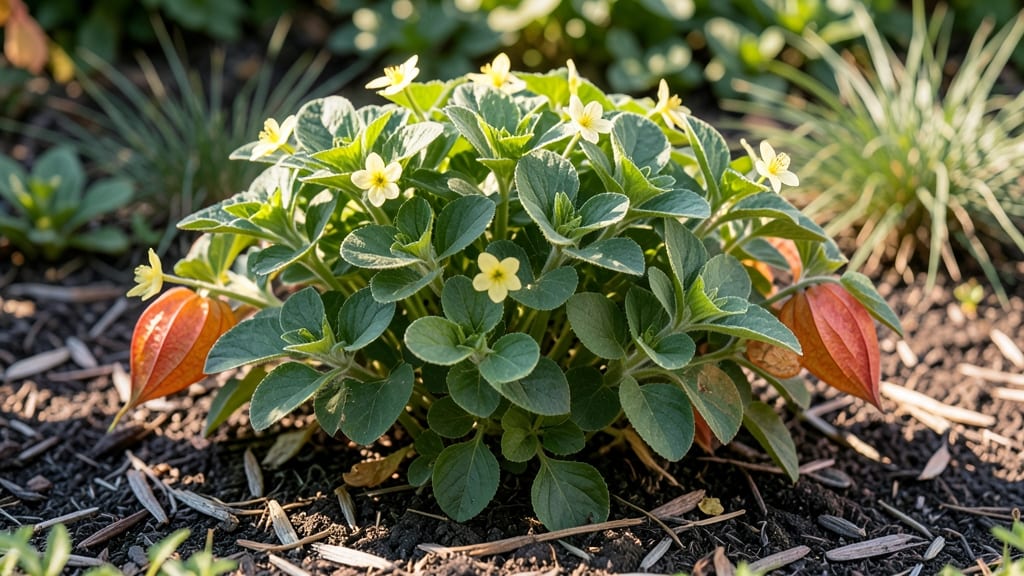
Curious about how tall your Chinese Lantern Plant 🎋 will grow? The answer isn’t one-size-fits-all—these striking plants can stretch anywhere from 1 to 3 feet, depending on care, variety, and growing conditions.
Whether you’re planning a cozy corner garden or a bold border, knowing their mature height helps you visualize their place in your space.
This spring-planted beauty thrives in USDA Zone 6a and beyond, but its height shifts dramatically based on sunlight, soil, and pruning habits. Some varieties stay compact, while others reach for the sky—so let’s break down the exact ranges and how to guide their growth to match your garden’s vision.
You’ll discover how to encourage ideal height through simple care tweaks, like spacing, sunlight adjustments, and pruning. By the end, you’ll know exactly how to nurture your Chinese Lantern Plant 🎋 to fit your space—whether you want a low, lush display or a towering statement piece.
Ready to transform your garden with these fiery blooms? Let’s dive into the height secrets and care tips that make all the difference.

Chinese lantern plant height by variety: exact growth expectations
When planning your garden layout, knowing the mature height of Chinese lantern plants (Physalis alkekengi) is key—because these plants can range from compact shrubs to sprawling bushes. On average, most varieties reach 1 to 3 feet tall, but some can stretch taller under ideal conditions.
The height you achieve depends heavily on the variety you choose and how you care for it.
For example, the classic 'Franchetii' variety typically stays between 2 to 3 feet tall, while the 'Alba' variety (known for its white lanterns) often maxes out around 2 feet.
If you’re working with limited space, dwarf varieties like 'Gigantea' can still reach 3 feet but grow more upright, making them ideal for containers or small gardens.
Here’s the breakdown of what to expect from popular varieties, along with how their growth habits compare to other garden plants.
Understanding these differences will help you decide where to place your Chinese lanterns—whether tucked into a border, planted in a pot, or used as a focal point in a mixed bed.
If you’re growing Chinese lantern plants in containers, expect them to stay on the shorter side—typically 1 to 2 feet tall—unless you’re using a large pot with deep roots. The key to controlling height in pots is choosing a dwarf variety or pruning regularly to encourage bushier growth.
In the ground, these plants tend to spread wider than they grow tall, so spacing them 18 to 24 inches apart gives them room to flourish without competing for sunlight.
Another factor that influences height is the amount of sunlight your plants receive. While they thrive in full sun (6+ hours daily), they can still produce lanterns in partial shade, though they may grow slightly taller and leggier.
For the most compact plants, aim for a sunny spot with afternoon shade, especially in hot climates where excessive heat can cause them to stretch.
For gardeners in USDA Zones 6-9, Chinese lantern plants are perennial, meaning they’ll return year after year, gradually increasing in size. In colder zones (below 6a), treat them as annuals or protect them with mulch in winter to encourage stronger regrowth the following spring.
Over time, well-established plants can develop multiple stems, which may push the height closer to 3 feet if left unpruned.
One common misconception is that Chinese lantern plants need rich, fertile soil to reach their maximum height. While they do prefer well-draining soil, they’re surprisingly adaptable and can thrive in average garden soil with minimal fertilizer.
In fact, over-fertilizing can lead to excessive leafy growth at the expense of lantern production, so a light feeding with a balanced 5-10-10 fertilizer every 4-6 weeks during the growing season is usually sufficient.
To visualize their height, think of Chinese lantern plants as the perfect companion for small shrubs like boxwood or dwarf hydrangeas.
Their papery lanterns add a whimsical touch to cottage gardens, while their orange-red blooms (which eventually turn into the iconic lanterns) provide a pop of color that lasts from summer through fall.
Whether you’re designing a container garden or a full border, their manageable height makes them a versatile choice.
Pro tip: If you’re growing Chinese lanterns for their ornamental seed pods, avoid harvesting the lanterns too early. Waiting until they’re fully dry and papery ensures the plant puts energy into producing more pods the following year, which can influence the overall bushiness and height of your plant.
With the right care, you’ll have a stunning display that fits perfectly in your garden’s height zones.
Chinese lantern plant height by variety: exact growth expectations
Chinese lantern plants (Physalis alkekengi) are prized for their striking orange-red lantern-like fruits that add whimsy to gardens. But how tall will they grow? The answer depends on the variety and growing conditions.
Most mature between 1 to 3 feet tall, but some dwarf varieties stay as short as 12 inches, while larger types can reach 3 feet or more under ideal conditions.
Understanding these height ranges helps you plan spacing, container sizes, or companion plants. For example, a dwarf variety like 'Franchetii' fits perfectly in window boxes, while a standard type like 'Alba' thrives in borders or cottage gardens.
Let’s break down the exact expectations for popular varieties to help you choose the right fit for your space.
| Variety | Mature Height | Spread | Best For |
|---|---|---|---|
| 'Franchetii' | 12–18 inches | 12–18 inches | Containers, window boxes |
| 'Alba' | 2–3 feet | 18–24 inches | Borders, cottage gardens |
| 'Gigantea' | 2.5–3.5 feet | 24–30 inches | Back of beds, tall borders |
| Standard (Wild Type) | 2–3 feet | 18–24 inches | Wildflower gardens, meadows |
Note: Heights can vary by 10–20% based on sunlight, soil fertility, and pruning.
If you’re growing Chinese lanterns in containers, opt for dwarf varieties like 'Franchetii' to avoid root-bound issues. For ground planting, standard types like 'Alba' or 'Gigantea' create stunning vertical interest, especially when paired with low-growing perennials like ajuga or creeping thyme.
One key factor influencing height is sunlight exposure. Plants in full sun (6+ hours daily) tend to grow taller and produce more lanterns, while those in partial shade may stay shorter but still bloom.
For example, my 'Gigantea' variety in a sunny border reached 3 feet tall, while the same plant in partial shade maxed out at 2.5 feet.
For first-year growth, expect Chinese lantern plants to reach about half their mature height. In their second year, they’ll fill out completely, producing abundant lanterns along sturdy stems. If you’re using them as seasonal accents, plan for their mature size to avoid overcrowding other plants.
Pro tip: If you love the look of Chinese lanterns but have limited space, try pruning back leggy stems in early summer to encourage bushier growth. This keeps the plant compact and manageable while boosting flower production.