
Size
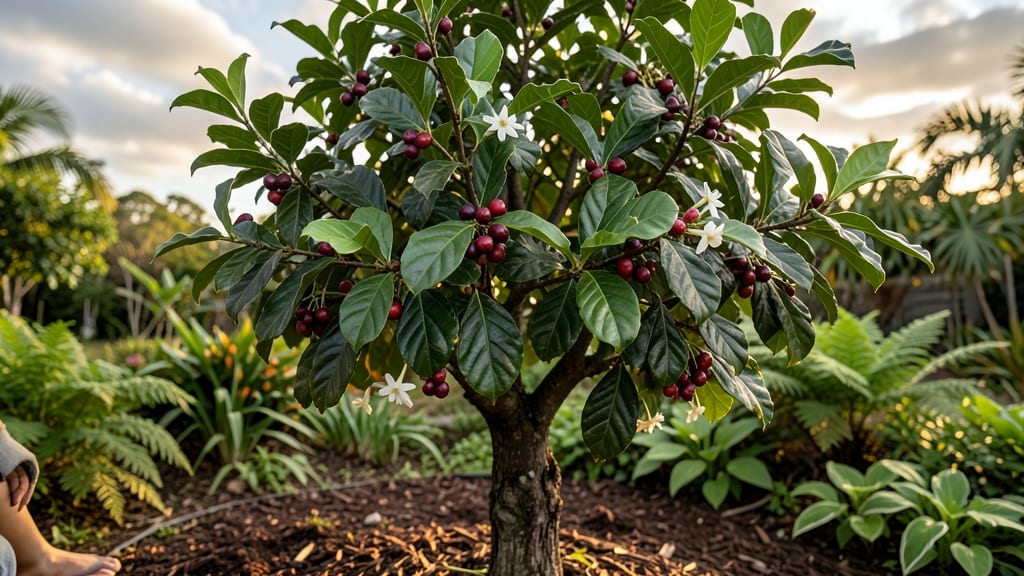
If you're wondering how tall do coffee trees grow, the answer might surprise you—these ☕ powerhouses can stretch from waist-high shrubs to towering giants that dwarf your two-story house!
Whether you're dreaming of a backyard coffee grove or a container-friendly patio plant, understanding their growth potential is key to planning your perfect setup.
Most coffee trees—especially the classic Arabica and Robusta varieties—naturally reach 15 to 30 feet when left unpruned, thriving in tropical climates like zones 10-12.
But don’t let those impressive heights scare you off: with the right pruning techniques and dwarf varieties, you can keep your coffee tree at a manageable 3 to 10 feet, making it ideal for even the smallest gardens or balconies.
The secret to controlling height lies in how you cultivate them. Pruning not only shapes your tree but also boosts fruit production—so you can enjoy homegrown coffee without sacrificing space.
Whether you're a seasoned gardener or a curious beginner, I’ll walk you through the best practices to grow a coffee tree that fits your lifestyle, no matter how much (or little) room you have.
Ready to turn your coffee addiction into a rewarding garden project? Let’s explore how to choose the right variety, master pruning, and create the perfect conditions for a thriving ☕ tree—whether it’s a backyard giant or a compact container star.

Coffee tree height ranges: dwarf vs standard vs giant varieties explained
Coffee trees are fascinating plants that can transform from delicate seedlings into majestic trees, but their final height depends entirely on the variety and growing conditions.
In nature, coffee trees like Arabica and Robusta can reach 20-30 feet tall, but with smart cultivation, you can keep them much smaller for home gardens. Let’s break down the three main height categories and what they mean for your growing plans.
Most coffee trees fall into one of three height ranges: dwarf (3-10 ft), standard (10-20 ft), or giant (20-30 ft). The difference isn’t just about aesthetics—it impacts yield, care requirements, and even the harvesting process.
For example, a 10-foot tree is perfect for a backyard, while a 30-foot giant needs a tropical plantation. Here’s how to choose the right size for your space.
If you’re growing coffee in a container, dwarf varieties like Bourbon or Pacamara are ideal—they stay under 8 feet and produce enough cherries for a small household. These varieties thrive in 5-gallon pots or larger, making them perfect for balconies or sunrooms.
Just remember, even dwarf trees need well-draining soil and regular pruning to maintain their shape.
For backyard gardens, standard varieties (like Typica or Caturra) strike a balance. They grow to 10-15 feet but can be pruned to stay shorter. These trees produce more cherries than dwarfs, but they’ll need 6-8 feet of space around them to avoid shading out other plants.
In tropical climates, they can even reach 20 feet without intervention!
Giant coffee trees are the jungle giants of the coffee world, reaching 20-30 feet tall. Varieties like Mundo Novo or Maragogype (the "elephant ear" coffee tree) are prized for their massive size and high yields.
However, they require full sun, rich soil, and regular pruning to manage their sprawling canopies. These are best suited for commercial farms or large estates where space isn’t a concern.
One key factor that influences height is pruning frequency. Coffee trees grow 2-3 feet per year if left unpruned, but strategic pruning can keep them 30-50% shorter. For example, pruning in late winter encourages bushier growth, while summer pruning helps control height.
Always use sterilized tools to prevent disease spread, and never remove more than 25% of the canopy at once.
Climate also plays a role in height. In cooler subtropical zones (like parts of Hawaii or California), coffee trees grow slower and stay shorter. But in tropical heat (like Brazil or Colombia), they can shoot up rapidly.
If you’re in a USDA Zone 10-12 area, expect faster growth—plan for annual pruning to keep your tree manageable.
For home growers, the best choice often comes down to space and yield goals. If you want fresh coffee daily but have limited space, a dwarf variety in a container is your best bet.
If you’re dreaming of a shade tree with coffee cherries, a standard variety pruned to 12-15 feet will give you both beauty and beans. And if you’re in a tropical paradise with acres to spare, go for a giant—just be prepared for the maintenance!
Remember, even the tallest coffee tree starts as a tiny seedling. With the right variety and care, you can grow coffee that fits your space—whether that’s a waist-high bush or a 30-foot tropical giant.
The key is choosing wisely and pruning regularly to keep your tree happy and productive. ☕🌿
Coffee tree height ranges: dwarf vs standard vs giant varieties explained
Coffee trees aren’t one-size-fits-all—some stay small enough for your patio while others reach towering heights of 30 feet.
The Arabica and Robusta varieties you’ll find in nurseries typically grow between 10 to 20 feet under ideal conditions, but with the right care (or pruning!), you can shape them to fit your space.
In tropical plantations, unpruned trees often hit 20 to 30 feet, while home gardeners can keep them between 6 to 15 feet with regular maintenance.
Height isn’t just about space—it also affects yield, sunlight exposure, and pruning needs. For example, dwarf varieties (rare but possible with grafting) might stay under 8 feet, making them perfect for containers or small yards.
Meanwhile, standard varieties like Bourbon or Typica thrive at 10 to 15 feet, balancing productivity and manageability. Understanding these ranges helps you choose the right variety for your garden size, climate, and goals—whether you’re growing for beans or just the aesthetic.
| Variety Type | Mature Height | Growth Habit | Best For |
|---|---|---|---|
| Dwarf (Grafted) | 3–8 ft | Bushy, compact | Containers, patios, small yards |
| Standard (Bourbon, Typica) | 10–15 ft | Upright, moderate spread | Home gardens, raised beds |
| Giant (Unpruned Robusta) | 20–30 ft | Tall, wide canopy | Large estates, tropical climates |
Climate plays a huge role in how tall your coffee tree grows. In humid tropical regions like Brazil or Colombia, trees grow faster and taller due to year-round warmth and high rainfall.
In contrast, cooler subtropical zones (like parts of Hawaii or Southern California) may see slower growth, staying shorter and bushier. If you’re growing in a container, roots are naturally restricted, keeping most varieties under 10 feet—but you’ll need to repot every 2–3 years to avoid root-bound stress.
Pruning isn’t just for aesthetics—it’s a game-changer for height control. By pinching back new growth in early spring, you encourage bushier, more productive branches instead of a single tall stem.
For standard varieties, aim to prune once a year to maintain a 6–10 foot height, while giant varieties in plantations are often pruned 2–3 times a year to manage canopy size and improve airflow (which reduces disease risk).
Even a light trim every 6 months can keep a tree 30% shorter than its natural height.
If you’re growing coffee in a small space, focus on dwarf or semi-dwarf varieties like the Pacamara or Geisha, which naturally stay under 8 feet. These varieties also produce higher-quality beans due to slower growth and denser foliage.
For containers, choose Arabica varieties—they’re more adaptable to root restrictions than Robusta. Just remember: dwarf trees yield less (about 1–2 lbs of beans per year) compared to standard trees (5–10 lbs), so plan your expectations accordingly.
For commercial growers, height management is critical for harvesting efficiency. Tall trees require ladders or mechanical harvesters, while shorter, bushier trees allow easier hand-picking and better sunlight penetration to lower branches.
If you’re just growing for personal use, don’t stress over height—focus on healthy growth, proper pruning, and consistent care. With the right approach, even a 10-foot tree can thrive in your backyard and still yield plenty of beans for your morning cup.