
How To
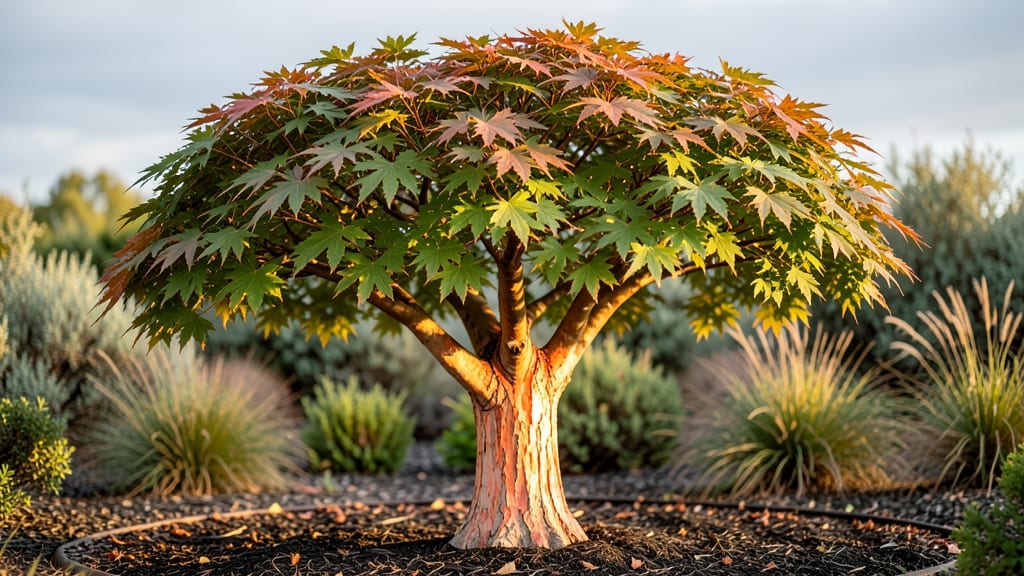
If you’ve ever wondered how tall do coral bark maples grow, you’re not alone—this striking tree with its fiery winter bark can leave gardeners guessing about its final size.
The good news? Most varieties top out between 15 and 30 feet, making them perfect for adding drama to medium-sized yards without overwhelming smaller spaces.
What sets coral bark maples (like the iconic Sango-kaku) apart is their steady, predictable growth. In their first decade, they climb at about 1-2 feet per year, then slow to 6-12 inches annually as they mature.
This means you can plan your landscape around them with confidence—no surprise towering giants here!
But here’s the kicker: their height isn’t just about time—it’s about space too. Planting too close to structures or other trees can stunt their growth or trigger early pruning needs. I’ll show you exactly how to position them for optimal height while keeping their signature bark on full display.
Whether you’re eyeing a small garden or a sprawling backyard, knowing these details helps you choose the right cultivar and spacing. Let’s break down the exact heights by variety and how to keep them looking their best.

Coral bark maple height by cultivar: exact mature sizes and growth rates
Coral bark maples (Acer palmatum cultivars) are prized for their vibrant winter bark and ornamental foliage, but their mature height varies dramatically by variety. If you’re planning your landscape, knowing these differences is key—because a 25-foot tree in a small yard will quickly become a problem.
Let’s break down the most popular cultivars and their exact growth expectations.
First, the star of the show is Acer palmatum 'Sango-kaku' (the classic coral bark maple), which typically reaches 15 to 25 feet tall at maturity with a 15- to 20-foot spread.
This variety is the most widely planted, offering bright orange-red bark that contrasts beautifully against winter snow. However, its spread can be nearly as wide as its height, so spacing is critical.
For smaller spaces, 'Bloodgood' is a fantastic alternative, maturing at 15 to 20 feet tall but with a more compact spread (12–15 feet). Its deep red foliage in summer and peeling orange bark in winter make it a year-round performer.
If you’re working with limited vertical space, 'Fireglow' is another great option, growing 12 to 18 feet tall with a 10- to 15-foot spread—ideal for medium-sized yards.
Now, let’s dive into the exact mature sizes and growth habits of these top cultivars, so you can make an informed choice based on your landscape design.
If you’re planning for a small garden, 'Dragon’s Blood' is the dwarf cultivar to consider, maxing out at 10 to 15 feet tall with a compact 8- to 12-foot spread.
Its slow growth rate (just 6 to 12 inches per year) makes it perfect for containers or bonsai-style pruning. However, even this variety will eventually need space, so avoid planting it too close to structures or sidewalks.
For urban landscapes where space is limited, 'Fireglow' strikes the best balance—12 to 18 feet tall with vibrant foliage that transitions from green to orange-red in fall.
Its moderate growth rate means you won’t see it outgrow its space overnight, but it still offers dramatic winter bark for year-round interest.
When selecting a coral bark maple, always check the cultivar’s mature height against your property’s dimensions. A 25-foot tree planted too close to a 10-foot ceiling (like a patio or garage) will eventually block sunlight and become a maintenance nightmare. Measure twice—plant once!
Pro tip: If you’re unsure about spacing, plant your coral bark maple at least 10 feet away from structures and 15 feet from other trees. This gives roots room to establish without competing for nutrients or water, ensuring healthier growth and longer-lasting beauty. 🌳
How fast do coral bark maples grow? Height progression by age and site conditions
One of the most common questions I hear from gardeners is, "How fast do coral bark maples grow?" The answer isn’t one-size-fits-all—it depends on the cultivar, growing conditions, and even your USDA hardiness zone.
But here’s the good news: coral bark maples grow at a predictable pace, making them easier to plan for than many other trees.
In their first 5 years, coral bark maples typically grow 1 to 2 feet per year. This means a 1-gallon sapling (about 2 feet tall) could reach 6 to 10 feet by year five—fast enough to see noticeable progress but slow enough to avoid sudden overgrowth.
After this initial burst, their growth slows to 6 to 12 inches annually as they mature, which is ideal for long-term landscape planning.
For example, the 'Sango-kaku' cultivar—a favorite for its vibrant coral bark—will hit 10 feet tall around year seven and 15 to 25 feet by age 15 to 20.
Meanwhile, 'Dragon’s Blood', a dwarf variety, grows just 6 to 12 inches per year, reaching its 10- to 15-foot mature height over 15 to 20 years. This slower growth makes it perfect for containers or small gardens.
🌱 Coral Bark Maple Growth Timeline
- 🌱 Year 1-3: 1-3 feet tall (fastest growth phase)
- 🌳 Year 4-7: 6-10 feet tall (steady growth, 1-2 ft/year)
- 🌲 Year 8-15: 12-20 feet tall (slower growth, 6-12 in/year)
- 🌿 Year 15+: Mature height reached (growth stabilizes)
💡 Pro Tip: Dwarf cultivars like 'Dragon’s Blood' follow a similar timeline but half the height.
Your climate zone plays a huge role in growth speed. Coral bark maples thrive in USDA zones 5 through 9, but those in warmer zones (7-9) may grow 10-20% faster due to longer growing seasons.
In cooler zones (5-6), growth slows slightly in winter, but they still make steady progress. Sunlight is another critical factor—full sun (6+ hours daily) fuels faster growth, while partial shade can reduce height by 20-30%.
Soil quality matters too. Coral bark maples prefer well-draining, slightly acidic soil (pH 6.0-7.0). If your soil is clay-heavy or compacted, their roots struggle to expand, which can stunt height growth by up to 30%.
Amending the soil with compost or organic matter before planting gives them the best start. I always recommend a soil test to check drainage and pH—it’s a small step that pays off big time in growth.
If you’re wondering whether your coral bark maple is growing too fast or too slow, compare its height to the cultivar’s expected timeline. For example, a 'Sango-kaku' should be around 10 feet at age 7.
If it’s under 5 feet, it might need more sunlight or fertilizer. Conversely, if it’s taller than expected, pruning or root restriction (like planting in a large container) can help manage its size naturally.
Remember, coral bark maples are low-maintenance but benefit from regular care. With the right conditions, you’ll enjoy their stunning bark and foliage for decades without unexpected surprises. 🌿