
Flowers
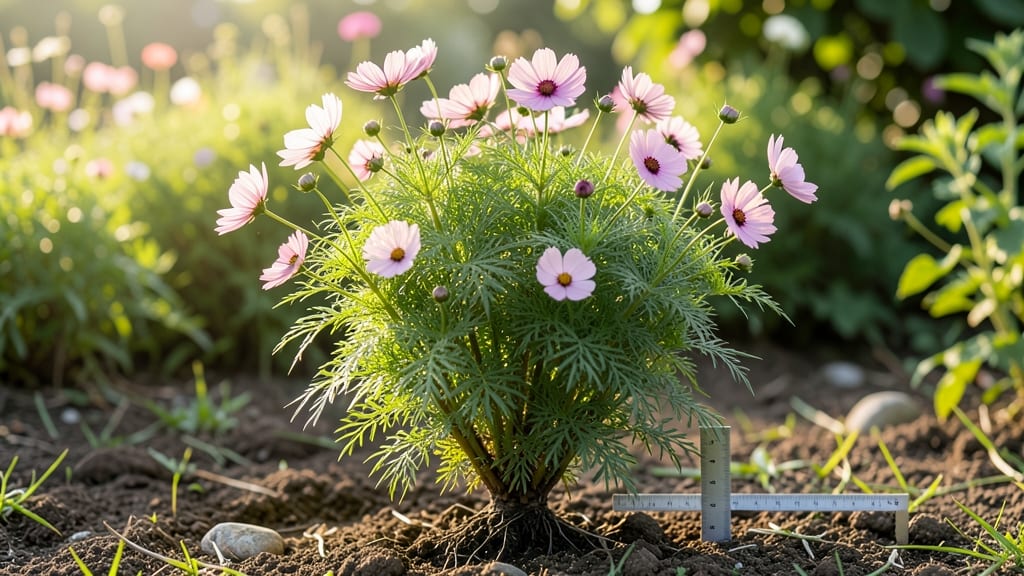
If you're wondering how tall do cosmos flowers grow, the answer might surprise you—these cheerful blooms range from dainty 1-foot dwarfs to towering 6-foot giants, depending on the variety.
Whether you're planning a sunny border or a cut-flower garden, choosing the right height makes all the difference in your design.
Cosmos 🌸 thrive in USDA Zone 6a and beyond, blooming from June through October with minimal fuss. But their height isn’t just about genetics—sunlight, soil, and even pruning can nudge them taller or bushier.
Let’s break down the varieties and care tips to help you grow cosmos that fit your space perfectly.
From the delicate 'Sensation Mix' (reaching 2-3 feet) to the striking 'Seashells' (hitting 4-6 feet), each type has its own charm. Whether you’re filling gaps in a flowerbed or crafting bouquets, knowing their growth habits lets you maximize their impact.
Ready to transform your garden? I’ll share the secrets to coaxing cosmos to their fullest potential—plus how to pair them with other plants for a showstopping display. Let’s get growing!

Cosmos flower height by variety: a complete growth guide
When planning your garden, knowing how tall cosmos flowers grow helps you visualize their impact. These cheerful blooms come in three distinct height categories: dwarf, semi-dwarf, and standard varieties. Each type serves different design purposes, from delicate borders to towering cut flower arrangements.
Let's explore the height ranges and growth habits of popular cosmos cultivars to help you choose the perfect fit for your space.
Dwarf cosmos varieties, like 'Bright Lights', typically reach 1-3 feet tall, making them ideal for containers, window boxes, and front-of-border plantings. Their compact stature also makes them perfect for small gardens or urban spaces where vertical space is limited.
These varieties often produce smaller flower clusters but bloom prolifically, creating a dense display of color.
| Variety | Height Range | Best For | Notes |
|---|---|---|---|
| 'Bright Lights' | 1-2 ft | Containers, borders | Dwarf variety with striped foliage |
| 'Sensation Mix' | 2-4 ft | Cut flowers, mid-border | Classic pink and white blooms |
| 'Seashells' | 3-5 ft | Back borders, cut arrangements | Double-petaled white blooms |
| 'Sonata Series' | 4-6 ft | Tall arrangements, focal points | Disease-resistant, long stems |
| 'Purity' | 3-4 ft | Cut flowers, borders | Pure white blooms, long vase life |
Semi-dwarf cosmos varieties, such as 'Sensation Mix', bridge the gap between compact and towering plants with heights of 3-4 feet. These versatile varieties work beautifully in mid-border plantings or as cut flower staples due to their sturdy stems.
Their medium height allows them to complement both tall and short plants while adding a pop of color to mixed flower beds.
The tallest cosmos varieties, like the 'Sonata Series', can reach 5-6 feet tall under ideal conditions. These varieties are perfect for back borders, cut flower gardens, or as dramatic focal points in cottage-style gardens.
Their height makes them excellent for creating vertical interest and providing long-lasting blooms for bouquets. Just be prepared to provide strong support in windy areas.
If you're growing cosmos for cut flowers, taller varieties like 'Seashells' or 'Purity' will give you the longest stems and most abundant blooms. These varieties often produce stems that can reach 2-3 feet in length, perfect for arranging in vases.
For the best results, plant them in well-draining soil with full sun exposure and deadhead regularly to encourage continuous blooming.
For container gardening, stick with dwarf varieties like 'Bright Lights'. These compact plants thrive in 5-gallon pots or larger containers, making them ideal for patios, balconies, and small spaces.
Their smaller stature also means they require less frequent staking compared to taller varieties, which can be a significant advantage for container growers.
When planning your garden layout, consider how cosmos heights will interact with other plants. Taller varieties can tower over shrubs and complement perennials like black-eyed Susans or coneflowers. Dwarf varieties work well with low-growing annuals like sweet alyssum or calendula to create a layered, textured display.
Always leave 12-18 inches of space between cosmos plants to ensure proper air circulation and prevent disease.
One of the most exciting aspects of cosmos flowers is their first-year growth. Many varieties can reach 50% of their mature height in just 8-10 weeks after sowing. This rapid growth makes them perfect for quick-color solutions in gardens.
In subsequent years, they may grow even taller, especially if they self-seed and establish strong root systems. However, cosmos are typically grown as annuals, so you'll need to replant each season unless you're in a mild climate where they may overwinter.
If you're new to growing cosmos, start with a mix of heights to see what works best in your garden. For example, plant a row of dwarf cosmos at the front of
How to choose cosmos height for your garden layout
Selecting the right cosmos height isn’t just about space—it’s about creating a stunning visual impact in your garden. Taller varieties like 'Seashells' (4-6 ft) make dramatic backdrops, while dwarf cosmos (1-3 ft) thrive in containers or front borders.
Think of height as your design sculpting tool—mixing varieties creates layers that catch the eye and frame other plants beautifully.
For small gardens or urban patios, semi-dwarf cosmos (3-4 ft) are perfect—they fill space without overwhelming. Place them near pathways or seating areas where you can enjoy their airy blooms up close.
In larger landscapes, tall cosmos (5-6 ft) anchor borders or blend into wildflower meadows, their feathery foliage adding texture before the flowers even appear.
🌸
- 1. Front & Center: Use dwarf cosmos (1-2 ft) in containers or front borders—their compact size lets you tuck them near walkways or mix them with annuals like zinnias for a burst of color.
- 2. Mid-Height Magic: Semi-dwarf cosmos (3-4 ft) shine in mixed borders or as cut flower accents. Pair them with salvias or black-eyed Susans for a textured, layered look.
- 3. Backdrop Drama: Plant tall cosmos (5-6 ft) behind shrubs or perennials like coneflowers. Their height creates a natural screen while attracting pollinators all season.
- 4. Container Stunners: Mix dwarf and semi-dwarf cosmos in large pots with trailing plants like sweet potato vine. The height contrast adds depth to small spaces.
- 5. Cut Flower Stars: Choose tall cosmos (4-6 ft) for bouquets—their long stems hold up well in water. Combine with russell lupines or statice for long-lasting arrangements.
Pro tip: If you love cut flowers, opt for single-bloom cosmos like 'Double Click'—their longer stems and open centers make them vase superstars. For pollinators, double-flowered varieties (like 'Bright Lights') may attract fewer bees, so balance them with native wildflowers.
Don’t forget seasonal interest! Cosmos start blooming in early summer and often rebloom until frost. Place tall varieties where they’ll catch morning sunlight, making their petals glisten before the day heats up. In cooler climates (USDA Zone 6a), choose early-blooming types to maximize your flowering window.
🌿