
How To
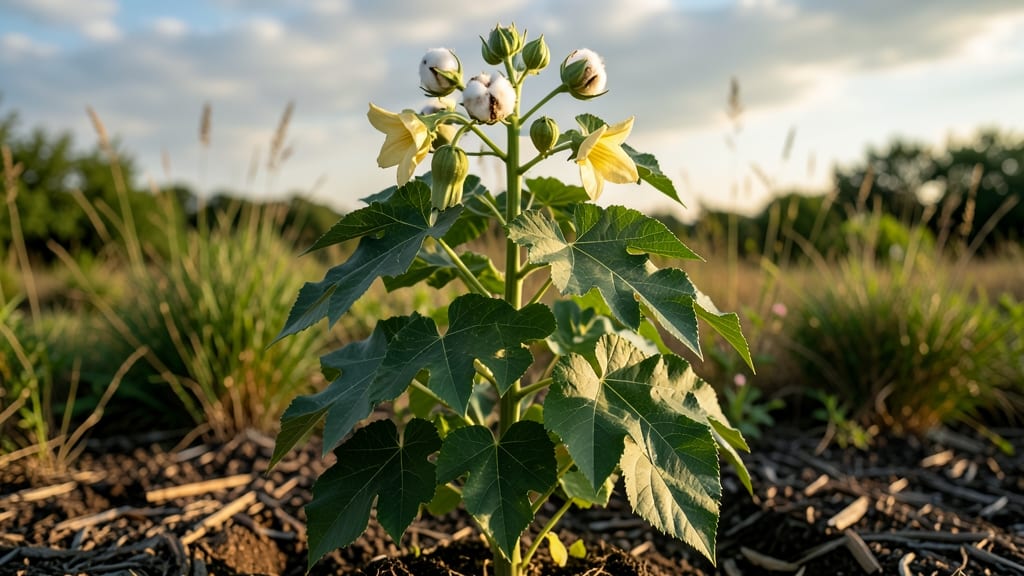
If you're wondering how tall do cotton plants grow, the answer might surprise you—especially when you compare the towering Pima varieties to compact dwarf types perfect for small gardens!
Whether you're planning a backyard plot in USDA Zone 6a or a larger farm, understanding these height ranges is the first step to spacing, support, and maximizing your harvest.
Most home gardeners grow upland cotton, which typically reaches 3 to 6 feet—tall enough to need sturdy supports but not so massive it crowds out other plants.
But if you're eyeing Pima cotton, get ready for giants: these can stretch up to 10 feet or more, demanding careful planning for airflow and irrigation. Even dwarf varieties (just 2 to 3 feet) offer a low-maintenance option for containers or small spaces.
Here’s the game-changer: height directly impacts your strategy. Taller cotton needs wider spacing (18 to 36 inches apart) to prevent disease, while dwarf types can thrive in tighter clusters.
And don’t overlook the harvest window—September to October in most climates—where plant height affects how easily you can access those prized bolls without bending over for hours.
Ready to pick the perfect variety for your space? Let’s break down the specifics so you can choose what works best for your garden—and your back! Whether you’re aiming for fluffy fibers or just a fun experiment, knowing these heights will set you up for success from day one.

Cotton plant height by variety: dwarf, medium, and tall types explained
Understanding cotton plant height is crucial for planning your garden layout and maximizing your harvest. Most cotton varieties fall into three height categories: dwarf (2–3 ft), medium (3–5 ft), or tall (5–10+ ft). The variety you choose directly impacts your yield, maintenance needs, and even climate suitability.
For example, upland cotton, the most common variety grown in the U.S., typically reaches 4–6 feet tall. This makes it ideal for home gardens and small-scale farming. Meanwhile, Pima cotton, prized for its long, extra-strong fibers, can soar to 6–10 feet, requiring more space and support.
If you're growing cotton in containers or small spaces, dwarf varieties like Sea Island cotton (3–4 ft) are perfect. These compact plants still produce bolls but with less vertical growth, making them easier to manage.
Your climate plays a role too. Taller cotton varieties thrive in warm, long-growing seasons, while shorter types adapt better to cooler regions. Always check your USDA hardiness zone and local frost dates before selecting a variety.
Now, let's break down the exact height ranges and key characteristics of the most popular cotton types to help you choose the best fit for your garden.
Taller varieties like Pima and Egyptian cotton produce fewer but longer, stronger fibers, ideal for high-end textiles. However, their height means you’ll need to allocate more space and possibly invest in trellising or staking to prevent lodging (when plants fall over).
On the other hand, dwarf varieties are perfect for beginners or urban gardeners with limited space. They mature faster and require less maintenance, though their yield per plant may be lower. If you're growing cotton in containers or raised beds, prioritize varieties under 4 feet tall.
Pro tip: If you're in a windy or rainy climate, opt for shorter varieties or use cattle panels or bamboo stakes to support taller plants. This prevents damage to the stems and ensures healthy boll development.
Height also affects harvesting ease. Taller plants may require a ladder or stool to pick bolls, while shorter varieties keep everything at waist level. Plan your garden layout with this in mind—especially if you're growing cotton alongside other crops.
For maximum yield, balance plant height with spacing. Taller cotton needs more room to avoid shading, while dwarf types can be planted closer together. We’ll dive deeper into optimal spacing guidelines in the next section to help you plan your rows like a pro.
Remember, the right variety for your space and climate can transform your cotton harvest from a struggle to a success. Start with a small patch of your chosen type, monitor its growth, and adjust next season based on what works best in your garden.
Optimal spacing for cotton plants: maximizing yield without overcrowding
Cotton plants thrive when given enough space to spread their roots and branches. Proper spacing prevents competition for nutrients and reduces disease risk from poor airflow. For upland cotton, the most common variety, aim for 18-24 inches between plants and 36-48 inches between rows.
This balance ensures healthy growth without overcrowding your garden.
Taller varieties like Pima cotton need even more room—24-36 inches between plants and 48-60 inches between rows. Their height demands extra vertical clearance to avoid shading smaller plants. If growing in containers, choose dwarf varieties and space them 12-18 inches apart for better airflow and sunlight exposure.
| Variety | Plant Spacing | Row Spacing | Notes |
|---|---|---|---|
| Upland Cotton | 18-24" | 36-48" | Best for home gardens |
| Pima Cotton | 24-36" | 48-60" | Longer fibers, needs more space |
| Dwarf Varieties | 12-18" | 24-36" | Ideal for containers |
Spacing also affects harvest efficiency. Tighter spacing can lead to tangled stems and difficulty accessing bolls, while over-spreading reduces yield per square foot. For commercial growers, aim for 10-12 plants per 100 square feet for upland cotton.
Adjust based on your climate—warmer regions may need slightly more space to prevent fungal diseases.
If your garden has limited space, consider vertical training for taller varieties. Use sturdy trellises or stakes to guide growth upward, freeing up ground space for other crops. Just ensure your support system can handle the weight of mature plants, especially during harvest season.
Always test your spacing strategy in a small plot first. Monitor plant health, boll development, and airflow. If you notice yellowing leaves or slow growth, you may need to increase spacing or improve soil drainage.
Proper spacing isn’t just about room—it’s about setting your cotton plants up for success from day one.
🌱