
How To
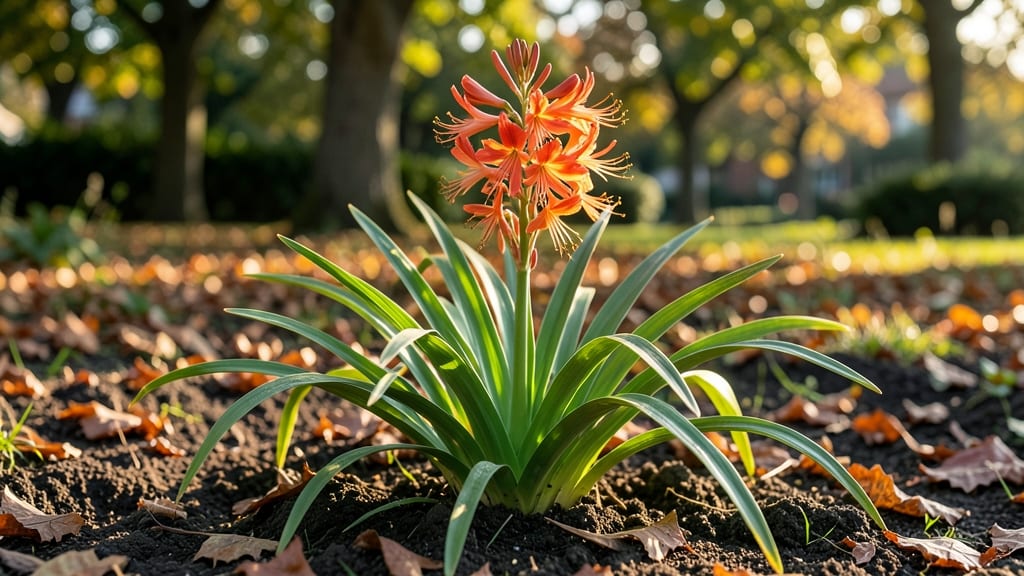
If you're wondering how tall do crocosmia grow, the answer might surprise you—these fiery 🌸 beauties can range from compact 1-foot wonders to towering 4-foot showstoppers, depending on the variety and growing conditions.
What you plant now could mean the difference between a low-border accent or a dramatic centerpiece in your garden.
Most gardeners start with Crocosmia × crocosmiiflora, the classic variety that typically reaches 2-3 feet at maturity, but dwarf types like 'Emily McKenzie' stay under 1.5 feet—perfect for containers or edging.
The key to unlocking their full height potential lies in soil quality, sunlight exposure, and proper spacing, which we'll break down so you can plan your garden layout like a pro.
You might be thinking taller varieties need more maintenance, but the truth is simpler than you'd expect. With the right care—like dividing clumps every 3-4 years and staking in windy areas—you can help your crocosmia reach its maximum height without flopping over.
Let's explore how to maximize growth while keeping your plants healthy and vibrant.
Whether you're working with USDA Zone 6a conditions or just love the bold colors of these perennials, understanding their growth habits will help you create stunning displays year after year. Ready to transform your garden with these height secrets? Let's get started.

Crocosmia height by variety: tallest to shortest options
Crocosmia plants are famous for their vibrant, flame-like blooms that light up late summer and autumn gardens. But did you know their height can vary dramatically? Some varieties reach towering heights of 3 feet, while others stay compact at just 1 foot tall.
Choosing the right variety for your space ensures your garden gets the dramatic impact you crave without overwhelming your layout.
The tallest Crocosmia varieties, like 'Lucifer' and 'George Davison,' can reach 3 feet or more when mature, making them perfect for back borders or cottage gardens. Meanwhile, dwarf types like 'Emily McKenzie' stay under 1.5 feet, ideal for container gardens or front borders.
Let’s explore the height ranges of the most popular varieties so you can plan your garden with confidence.
When selecting Crocosmia varieties, consider both height and spread. Taller types like 'Lucifer' can double in height over 3 years, while dwarf varieties like 'Emily McKenzie' remain consistently low-growing. This makes them ideal for small spaces or urban gardens where vertical growth is limited.
For maximum height, plant taller varieties in well-draining, nutrient-rich soil with full sun exposure (6+ hours daily). In USDA zones 6–9, these perennials thrive with minimal winter protection, though mulching in fall can encourage taller growth the following season.
If you’re unsure which variety to choose, start with 'Fire King'—a mid-height option (2–3 ft) that’s low-maintenance and deer-resistant. It’s a versatile pick for mixed borders and pollinator gardens, offering both height and vibrant color without overwhelming smaller spaces.
Pro tip: Pair taller Crocosmia varieties with grasses or sedums to create textural contrast in your garden. The arching flower spikes of Crocosmia look stunning when interplanted with upright or mounding plants, adding depth and movement to your design.
Remember, height isn’t the only factor—consider bloom color and timing too. 'Lucifer' produces deep red-orange blooms in late summer, while 'Emily McKenzie' offers soft pink flowers that brighten early autumn. Mixing varieties ensures extended color from July to October.
For container gardening, opt for dwarf varieties like 'Crocodile' or 'Emily McKenzie.' These stay under 2 feet tall and thrive in 12-inch pots with well-draining potting mix. Just ensure they get at least 4–6 hours of sun daily to prevent leggy growth.
Finally, if you love the dramatic height of taller Crocosmia but worry about wind damage, consider staking or planting near a fence or wall. This provides natural support while keeping those fire-like blooms upright and show-stopping.
Crocosmia height by variety: tallest to shortest options
Crocosmia plants are famous for their fiery autumn blooms, but their height varies dramatically depending on the variety. If you're planning your garden layout, knowing these mature heights will help you place them strategically—whether you want dramatic backdrop plants or compact border accents.
Most varieties reach their full height by their second or third year, so patience pays off!
The tallest Crocosmia, like 'Lucifer', can soar to 3–4 feet, while dwarf types like 'Emily McKenzie' stay under 1.5 feet. This range means you can mix them in perennial beds, cutting gardens, or even container arrangements with the right spacing.
Let’s break down the most popular varieties and their growth habits to help you choose the perfect fit for your space.
When selecting varieties, also consider their clumping habits. Taller types like 'Lucifer' form dense, upright clumps that need 6–12 inches of space between plants to avoid overcrowding. In contrast, dwarf varieties like 'Emily McKenzie' spread more horizontally, making them ideal for ground cover or container gardens.
Planting them in well-draining soil with full sun exposure will maximize their height potential.
For USDA Zones 6–9, most Crocosmia thrive with minimal winter protection, but taller varieties may need light mulch in colder zones to prevent flopping.
If you’re in a windy area, consider staking taller types like 'Fire King' to keep their arching stems upright and show off those vibrant blooms at their best.
Pro tip: If you’re unsure which variety to choose, start with a mix of heights—place taller types at the back of borders and dwarf varieties in the front. This creates a layered look that blooms from summer to early fall, extending your garden’s seasonal interest.
Just remember, patience is key—most Crocosmia take 2–3 years to reach their full height and flowering potential.
🌸