
How To
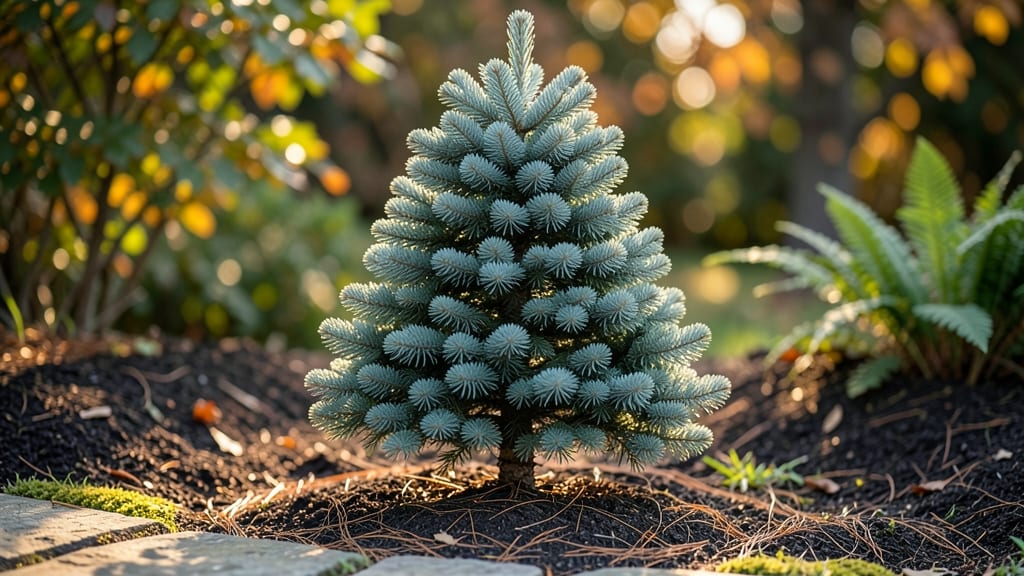
If you're planning to add a Dwarf Alberta Spruce 🌲 to your garden, the first thing you’ll want to know is how tall do dwarf Alberta spruce grow—especially if space is a consideration.
This charming evergreen typically reaches between 4 to 6 feet at full maturity, making it ideal for small yards, containers, or even as a striking focal point near patios.
What sets the Dwarf Alberta Spruce apart is its slow, steady growth—you won’t see dramatic height changes overnight. In fact, it grows about 1 to 2 feet per year in optimal conditions, so you can plan your landscape design with confidence.
Whether you're working with a cozy backyard or a balcony garden, this variety thrives in USDA Zone 6a and beyond, adapting beautifully to various climates.
Curious about how to maximize its growth or control its height? The key lies in proper spacing, sunlight, and occasional pruning. Unlike its taller cousins, this spruce stays compact without sacrificing its lush, vibrant appearance. Plus, its cold-hardy nature means it’s a low-maintenance choice for year-round greenery.
Ready to transform your space with this versatile evergreen? Let’s dive into the details—from exact height expectations to spacing tips—so you can create the perfect spot for your Dwarf Alberta Spruce 🌲.

Dwarf Alberta Spruce mature height: exact growth expectations by variety
When planning your garden layout, knowing the exact mature height of your Dwarf Alberta Spruce is crucial. While the name suggests compact growth, varieties can vary significantly—from 3 feet to over 6 feet at maturity.
Understanding these differences ensures you choose the perfect fit for your space, whether it's a small patio or a large landscape bed. Let’s break down the most popular cultivars and their growth expectations.
The Dwarf Alberta Spruce is a versatile evergreen, but its height depends entirely on the specific cultivar. For example, the 'Conica' variety is the most compact, while 'Globe Blue' leans toward the taller end of the spectrum.
Each grows at a slow but steady rate, typically adding only 1-2 inches per year once established. This makes them ideal for long-term landscaping plans where patience pays off.
🌲
| Variety | Mature Height (ft) | Spread (ft) | Growth Rate | Best For |
|---|---|---|---|---|
| 'Conica' | 3–5 ft | 3–4 ft | Slow (1 in/year) | Containers, bonsai, small gardens |
| 'Little Gem' | 4–6 ft | 3–5 ft | Moderate (2 in/year) | Foundation planting, hedges |
| 'Globe Blue' | 5–6 ft | 4–5 ft | Slow to moderate (1–2 in/year) | Accent plant, large containers |
| 'Hoffman's Blue' | 4–5 ft | 3–4 ft | Slow (1 in/year) | Small gardens, rockeries |
If you're comparing these to a standard Alberta Spruce, which can reach 40–60 feet, the dwarf varieties are a fraction of the size. This makes them perfect for urban gardens or small yards where space is limited.
For instance, the 'Conica' variety stays under 5 feet, making it ideal for patio planters or as a centerpiece in a container garden. Meanwhile, 'Globe Blue' adds height and drama without overwhelming your landscape.
One common misconception is that all dwarf Alberta spruces grow at the same rate. In reality, 'Little Gem' grows faster than 'Conica', reaching 4–6 feet in about 10–15 years, while 'Conica' may take 20+ years to reach its full height.
This slower growth means you’ll enjoy their compact beauty for decades without worrying about overgrowth or pruning back excessively.
For gardeners with limited space, spacing is just as important as height. Plant 'Conica' or 'Hoffman's Blue' at least 3 feet apart to allow for their spread, while 'Little Gem' and 'Globe Blue' need 4–5 feet of clearance.
This ensures adequate airflow, reducing the risk of fungal diseases like needle blight, which can affect spruces in crowded or poorly ventilated areas.
🌿
When selecting a Dwarf Alberta Spruce, consider not just height but also needle color and growth habit. The 'Globe Blue' variety, for example, has striking silver-blue needles that stand out in any garden, while 'Conica' has a dense, rounded shape perfect for bonsai-style gardening.
If you're unsure which to choose, start with 'Little Gem'—it’s a versatile middle ground that works well in both ground beds and large containers.
Pro tip: If you’re planting in containers, choose a cultivar like 'Conica
How to maximize growth (or control height) in small gardens
If you’ve fallen in love with the Dwarf Alberta Spruce but need to fit it into tight spaces, don’t worry—you can guide its growth with the right care.
These trees grow slowly (about 1-2 inches per year), but smart soil prep, pruning techniques, and light management can help you control their height while keeping them healthy. Let’s dive into the best practices to make the most of your space!
First, focus on well-draining soil mixed with organic matter like compost. Dwarf Alberta Spruces dislike soggy roots, so amend heavy clay soil with sand or perlite to improve aeration. A slightly acidic pH (around 5.5-7.0) also encourages steady growth.
If your soil is compacted, consider planting in a raised bed or large container—this gives you better control over moisture and nutrients.
Next, sunlight exposure plays a huge role in height control. While these spruces thrive in full sun (6+ hours daily), they’ll grow more slowly in partial shade.
If your garden is shady, position the tree where it gets the most light possible—even a few extra hours can make a difference in growth rate. For container-grown spruces, place them near a south-facing window or on a sunny patio.
Pruning is your secret weapon for managing height. These trees tolerate light pruning to shape them, but avoid heavy cuts, which can stress the plant. Use clean, sharp shears to trim back brown or overgrown branches in late winter or early spring.
Never prune more than 25% of the foliage at once—this can stunt growth or invite pests. For a more compact look, focus on trimming the topmost growth to encourage bushier sides.
Finally, fertilization timing affects growth speed. Apply a balanced 10-10-10 fertilizer in early spring (March-April) and again in early summer (June) to support steady growth. Avoid fertilizing in fall or winter, as the tree enters dormancy.
Over-fertilizing can lead to salt buildup in the soil, which harms roots—always water thoroughly after applying fertilizer to rinse excess nutrients away.
With these strategies, you can enjoy a healthy, well-proportioned Dwarf Alberta Spruce that fits perfectly in your small garden or container.
Whether you’re aiming for a tiered look in a patio planter or a low hedge along a walkway, these tips will help you achieve the ideal size without sacrificing beauty. Happy gardening! 🪴