
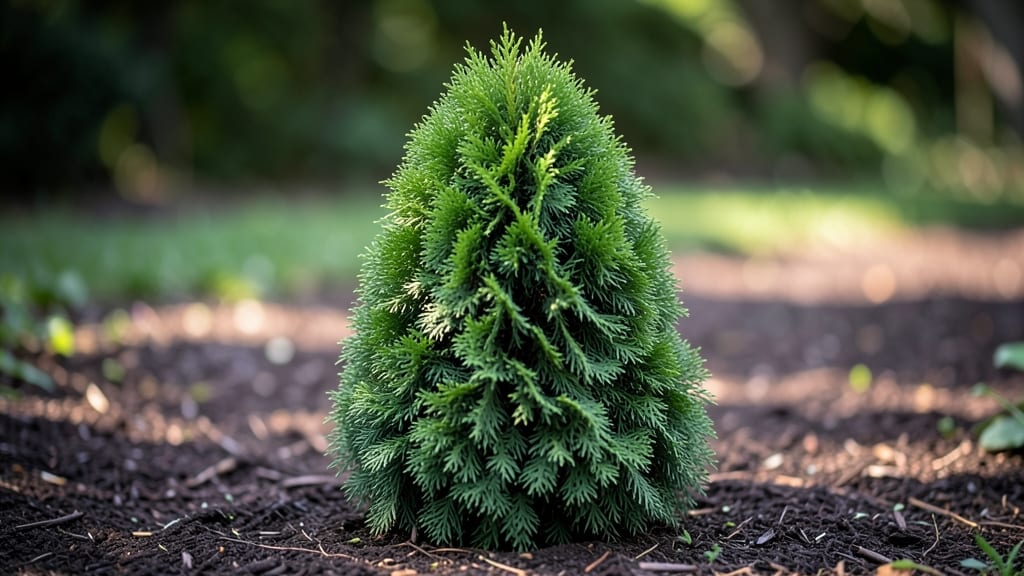
How Tall Do Dwarf Arborvitae Grow: Exact Height Ranges by Popular Varieties

How To

How Tall Do Dwarf Arborvitae Grow: Exact Height Ranges by Popular Varieties

If you're planning your landscape with dwarf arborvitae 🌲 but wondering how tall do these dwarf arborvitae grow, you’re not alone—many homeowners assume "dwarf" means they’ll stay under 3 feet forever.

The truth? These evergreens can vary dramatically, from compact 2-foot shrubs to towering 6-foot giants, depending on the cultivar.

Why does this matter? Because planting a Green Giant (which maxes out at 12-15 feet) instead of a true dwarf like 'Emerald Green' (a modest 3-5 feet) could turn your cozy garden into a jungle overnight.

The key is knowing the exact mature height of each variety before you dig.

In this guide, I’ll break down the precise height ranges for 12 popular dwarf arborvitae, including growth rates and spacing tips to keep them looking neat. Whether you’re lining a driveway or adding a privacy screen, you’ll learn how to pick the perfect size—and avoid costly mistakes.

Ready to transform your outdoor space without the guesswork? Let’s dive into the numbers so you can plant with confidence.

Dwarf Arborvitae Height Range
2 ftto6 ft
0 ft 3 ft 6 ft 9 ft 12 ft
🌱 Dwarf Shrub

Dwarf arborvitae height ranges: exact mature sizes for 12 most popular varieties

If you're planning to add dwarf arborvitae to your landscape, knowing their mature heights is key to avoiding overcrowding or underwhelming visuals. While all arborvitae are technically evergreens, the term "dwarf" can be misleading—some varieties top out at just 3 feet, while others reach nearly 6 feet.

The difference often comes down to the specific cultivar you choose.

For example, the Golden Globe stays compact at 2-3 feet, making it perfect for containers or small foundation plantings. Meanwhile, the Emerald Green grows to 10-12 feet—technically a semi-dwarf, not a true dwarf. Understanding these distinctions helps you pick the right variety for your space.

Below is a detailed comparison of 12 popular dwarf arborvitae varieties, including their mature heights, growth rates, and ideal spacing. This will help you visualize how they'll look in your yard before you plant.

I’ve organized the data by height category to make it easier to compare. Whether you need a low hedge or a taller privacy screen, there’s a dwarf arborvitae that fits your needs.

Variety Mature Height (ft) Mature Width (ft) Growth Rate (in/year) Best For
Golden Globe 2-3 2-3 6-12 Containers, borders
Compacta 3-4 2-3 4-6 Foundation plants, hedges
Emerald Green (Semi-Dwarf) 10-12 3-4 12-18 Privacy screens, tall hedges
Teddy Bear 3-4 3-4 6-12 Ground cover, slopes
Little Giant 4-5 2-3 6-12 Small hedges, borders
Sargenti 5-6 3-4 8-12 Privacy screens, tall borders
Blue Star 3-4 2-3 4-8 Containers, small gardens
Winter Gem 3-4 2-3 6-12 Foundation plants, hedges
Green Carpet

How to choose the right dwarf arborvitae height for your landscape design

Selecting the perfect dwarf arborvitae height depends entirely on your landscape goals. These compact evergreens excel as foundation plants, privacy screens, or even container specimens.

For example, 'Emerald Green' (3-5 ft) works beautifully as a low hedge along walkways, while 'Golden Globe' (3-4 ft) thrives in potted arrangements on patios. Always measure your space first—3-5 feet of clearance is ideal for mature growth.

Consider your viewing angles too. Taller varieties like 'Sargentii' (6 ft) create stunning vertical accents near decks, while shorter options like 'Compacta' (2-3 ft) fit snugly in window boxes or garden borders.

Pro tip: Use 3-foot spacing between plants to prevent overcrowding and ensure proper airflow, which reduces disease risk.

For privacy screens, opt for the tallest dwarf options (5-6 ft) and plant them in double rows for maximum coverage. If you're aiming for a formal garden look, choose uniformly shaped varieties like 'American Gold' (3-4 ft) and prune annually to maintain neatness.

Remember, height at maturity is just one factor—width matters too!

🌲 Dwarf Arborvitae Height Guide by Use

  • Foundation Planting: 3-4 ft (e.g., 'Emerald Green') – Creates a polished, low-profile border.
  • Privacy Screens: 5-6 ft (e.g., 'Sargentii') – Plant in staggered rows for full coverage.
  • Container Gardening: 2-3 ft (e.g., 'Compacta') – Thrives in 15-gallon pots with drainage holes.
  • Vertical Accents: 4-5 ft (e.g., 'American Gold') – Adds height to garden beds or entryways.
  • Window Boxes/Borders: 2-3 ft (e.g., 'Golden Globe') – Perfect for color contrast in small spaces.

Don’t overlook maintenance trade-offs. Taller varieties like 'Sargentii' require annual pruning to control height, while shorter types like 'Compacta' need minimal trimming. If you’re new to pruning, start with shear-prone varieties like 'Emerald Green'—their dense foliage hides pruning mistakes beautifully. Always use sterilized shears to prevent disease spread.

For urban landscapes with limited space, consider dwarf arborvitae in mixed plantings. Pair 3-4 ft varieties with ornamental grasses or perennials to add texture and color.

For example, 'American Gold' pairs stunningly with purple coneflowers or black-eyed Susans. Just ensure your arborvitae gets 4-6 hours of sunlight daily for optimal growth.

Lastly, check your local climate zone. Dwarf arborvitae thrive in USDA Zones 3-7, but southern exposures may require extra watering during summer heat. If you're in a coastal area, opt for salt-tolerant varieties like 'Emerald Green' to avoid browning tips.

Always mulch around the base to retain moisture and regulate soil temperature.

★★★★★4.7(15 reviews)
Categories How To