
Trees
Exact height ranges for 15 most popular dwarf trees (with growth charts)
Dwarf trees are the perfect solution for small spaces, offering all the beauty of full-sized trees in a fraction of the footprint. But how tall do these miniature giants actually grow?
The answer depends on the species and variety, with mature heights ranging from as low as 2 feet to just over 10 feet. Understanding these ranges helps you choose the right tree for your patio, balcony, or small garden.
Some dwarf trees mature in just a few years, while others grow slowly over decades. For example, a Dwarf Alberta Spruce might reach its 6-foot height in 10 years, while a Japanese Maple could take 15 years to hit 8 feet.
Let’s explore the exact height ranges for 15 of the most popular dwarf trees, including their growth rates and ideal spacing.
🌱
| Height Category | Popular Varieties | Mature Height | Growth Rate | Ideal Spacing |
|---|---|---|---|---|
| Under 3 ft | Dwarf Meyer Lemon, Miniature Olive, Dwarf Boxwood | 2–3 ft | Slow to moderate | 1–2 ft from structures |
| 3–6 ft | Dwarf Alberta Spruce, Miniature Crape Myrtle, Columnar Apple | 4–6 ft | Moderate | 3–4 ft from borders |
| 6–10 ft | Japanese Maple 'Little Prince', Dwarf Fountain Grass, Miniature Willow | 6–10 ft | Slow to fast | 5–6 ft from structures |
| Ornamental Dwarfs | Dwarf Flowering Cherry, Miniature Magnolia, Dwarf Holly | 5–8 ft | Moderate | 4–5 ft from other plants |
| Fruit-Bearing Dwarfs | Dwarf Apple, Miniature Pear, Columnar Citrus | 6–10 ft | Fast (with care) | 6–8 ft from fences |
The Dwarf Alberta Spruce, for instance, is a classic choice for small gardens, typically reaching 6 feet at maturity. Its pyramidal shape makes it ideal for creating vertical interest in tight spaces.
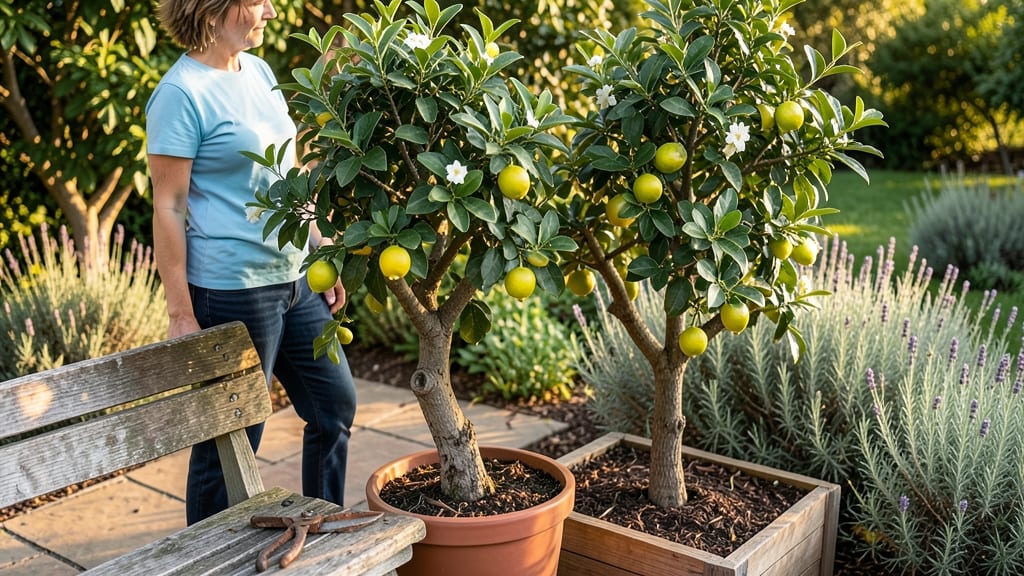
Meanwhile, the Dwarf Meyer Lemon stays under 3 feet, perfect for container gardening on patios or balconies.
If you’re looking for fast-growing dwarf trees, consider the Columnar Apple or Miniature Crape Myrtle, which can add height quickly while staying under 6 feet. These varieties are excellent for instant landscaping in small yards or urban gardens.
For ornamental appeal, the Japanese Maple 'Little Prince' is a standout, with its vibrant foliage and compact 6–8-foot height. This variety thrives in partial shade, making it versatile for shaded patios or woodland gardens.
🌿
When selecting a dwarf tree, always check the mature height and growth rate to ensure it fits your space. Some trees, like the Dwarf Boxwood, grow slowly but densely, while others, like the Miniature Willow, can stretch taller if not pruned regularly.
Proper spacing and pruning are key to keeping these trees at their ideal size.
For example, planting a Dwarf Alberta Spruce too close to a fence can stunt its growth or cause it to lean. Always follow the spacing guidelines in the table above to ensure healthy development.
With the right variety and care, dwarf trees can thrive for decades, providing year-round interest with minimal space requirements.
✂️
How to choose a dwarf tree based on your space and sunlight needs
Selecting the right dwarf tree for your space isn’t just about height—it’s about matching the tree’s needs to your environment. Whether you’re working with a small patio, a shaded corner, or a sunny yard, the wrong choice can lead to disappointment.
For example, a Dwarf Alberta Spruce thrives in full sun but may struggle in deep shade, while a Japanese Maple can adapt to partial shade but needs protection from harsh afternoon rays.
Start by measuring your space. A 3-foot-tall dwarf tree like the Dwarf Meyer Lemon fits perfectly on a balcony, while a 6-foot variety like the Columnar Apple Tree needs at least 5 feet of clearance. Always check the mature height label—some "dwarf" trees can stretch unexpectedly if given ideal conditions.
Next, consider sunlight. Most dwarf fruit trees and ornamental varieties crave 6+ hours of sun, but some, like the Dwarf Ficus, tolerate partial shade. If your spot gets only morning light, opt for shade-tolerant species like the Dwarf Ginkgo or Dwarf Korean Lilac.
A quick trick: Observe your space for a week to note how much sunlight it gets at different times of day.
Growth speed matters too. Some fast-growing dwarf trees, like the Dwarf Crape Myrtle, reach half their mature height in just 2–3 years, while others, like the Dwarf Japanese Maple, take a decade to fill out. If you want quick results, prioritize varieties labeled as "fast-growing" or "early-maturing."
🌱 Key Factors for Choosing Dwarf Trees
- Space: Measure height/width—account for branches.
- Sunlight: Full sun (6+ hrs) vs. partial shade (3–6 hrs).
- Growth Rate: Fast (2–5 yrs to mature) vs. slow (10+ yrs).
- Soil Type: Most prefer well-draining soil; some need acidic (e.g., Azaleas).
- Container vs. Ground: Root-bound trees need repotting every 2–3 years.
Pruning plays a huge role in keeping dwarf trees small. Even if a variety is labeled "dwarf," regular pruning in late winter or early spring can prevent overgrowth.
Use sharp, clean tools to trim back 1/3 of new growth annually, and avoid heavy pruning in fall—it stimulates tender new shoots that won’t survive frost. For columnar trees, focus on shaping the top to maintain their upright form.
Common mistakes can turn your dream dwarf tree into a space hog. Over-fertilizing, for example, can spur rapid (and uncontrolled) growth. Similarly, planting too close to structures or other plants leaves no room for branches to spread.
Always follow the spacing guidelines on the nursery tag—it’s not just a suggestion! If you’re unsure, err on the side of extra space.
Finally, consider your climate. Some dwarf trees, like the Dwarf Pomegranate, thrive in USDA Zones 8–11 but may need winter protection in colder areas. Check the hardiness zone for your variety and plan accordingly—whether that means mulching heavily, wrapping the trunk, or bringing potted trees indoors for winter.