
How To
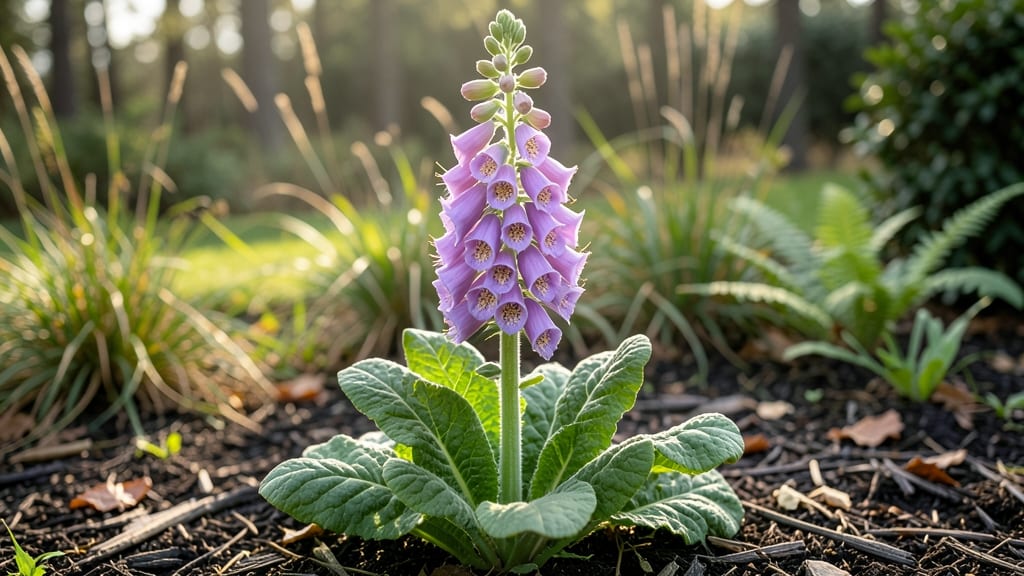
If you're dreaming of adding dramatic height to your garden with foxglove 🌸, you might be surprised to learn how tall foxglove actually grow—these plants can reach 6 feet tall—or stay as short as 2 feet, depending on the variety and care.
That dramatic range means your garden design choices could change completely based on which type you pick.
The key to controlling foxglove's height lies in understanding its growth habits. Biennial varieties often start small in their first year but shoot up dramatically in their second, while some perennial types maintain consistent stature.
I'll break down exactly which cultivars lean toward towering giants and which stay more compact, so you can plan your garden layout like a pro.
Sunlight plays a surprisingly big role too—too much direct sun can make stems leggy, while partial shade helps them stay sturdy. I'll share how to position your foxglove for optimal height and structure, whether you're working with a sunny border or a shady woodland garden.
Ready to make your foxglove thrive at exactly the height you want? Let's dive into the varieties, sunlight secrets, and simple pruning tricks that will give you the perfect garden statement without the guesswork.

Foxglove height by variety: exact growth expectations for common types
Foxglove (Digitalis purpurea) is famous for its dramatic height variations, but understanding the exact ranges helps you choose the perfect variety for your garden. Whether you want a backdrop plant or a border accent, knowing these heights ensures proper spacing and companion planting.
Most foxglove varieties grow in their second year, reaching maturity between 2 to 6 feet, but some dwarf cultivars stay as short as 18 inches.
The classic purple foxglove (Digitalis purpurea) typically grows 3 to 5 feet tall, making it ideal for cottage gardens or woodland edges.
In contrast, yellow foxglove (Digitalis grandiflora) often tops out at 4 to 6 feet, while white foxglove (Digitalis ambigua) can reach 5 to 7 feet in ideal conditions. These differences aren’t just about aesthetics—they also influence how you’ll support or prune your plants.
| Variety | Mature Height | Best For | Notes |
|---|---|---|---|
| Purple Foxglove (Digitalis purpurea) | 3–5 ft | Back borders, cottage gardens | Biennial; self-seeds freely |
| Yellow Foxglove (Digitalis grandiflora) | 4–6 ft | Woodland gardens, tall borders | Tolerates shade better than purple |
| White Foxglove (Digitalis ambigua) | 5–7 ft | Moist, shady areas, focal points | Needs staking in windy spots |
| Dwarf Varieties (e.g., 'Giant Candles') | 1.5–2.5 ft | Front borders, containers | Perfect for small gardens |
| 'Excelsior' Hybrid | 6–7 ft | Tall hedges, privacy screens | Requires strong support |
Dwarf foxglove varieties like 'Giant Candles' or 'Pam’s Choice' stay between 1.5 to 2.5 feet, making them perfect for container gardens or front borders. These shorter types also bloom earlier, giving you color in the first year of growth.
If you’re working with limited space, these are my go-to choices—they still pack a punch with their bell-shaped blooms but won’t overwhelm smaller areas.
For tall foxglove lovers, hybrids like 'Excelsior' can reach 6 to 7 feet, rivaling small trees. These varieties need well-drained soil and regular watering to support their height, but they’re worth the effort for a dramatic garden statement.
Plant them near trees or fences to provide natural support and prevent flopping in windy conditions.
Pro tip: If you’re unsure about spacing, err on the side of more room. Foxglove has a woody base that thickens over time, so giving it 18 to 24 inches of space around its base prevents overcrowding.
This also improves air circulation, reducing the risk of powdery mildew, a common issue in dense plantings.
Another factor to consider is biennial vs. perennial growth habits. Most foxglove is biennial, meaning they bloom in their second year and then die. However, some varieties—like yellow foxglove—may self-seed and return year after year, effectively becoming perennial in your garden.
This natural propagation can lead to clumps of varying heights, so plan accordingly if you want a uniform look.
When planning your garden layout, think about companion plants that complement foxglove’s height. Shorter perennials like columbine or foxglove’s own self-seeded seedlings create a natural tiered effect.
For a wildflower meadow look, pair tall foxglove with delphiniums or hollyhocks, both of which share similar water and sunlight needs.
If you’re growing foxglove in containers, choose dwarf varieties and ensure your pot is at least
How sunlight affects foxglove height: full sun vs. partial shade comparison
Sunlight is the secret weapon for controlling foxglove height. While these plants thrive in partial shade, too much direct sun can stretch stems into leggy monsters, while too little light stunts their growth. Understanding this balance helps you plan your garden layout for perfect foxglove spikes every time.
Most foxglove varieties—like the classic Digitalis purpurea—grow 20-30% taller in partial shade compared to full sun. This means a 4-foot plant in shade might only reach 3 feet when baked in direct sunlight. The key is finding that goldilocks zone of morning sun and afternoon shade.
Here’s how sunlight impacts foxglove height in practice:
| Light Condition | Typical Height Range | Stem Thickness | Bloom Density | Garden Placement Tip |
|---|---|---|---|---|
| Full Sun (6+ hours) | 2–3 ft | Thin, weak | Sparse blooms | Avoid; use shade cloth |
| Partial Shade (4–6 hours) | 4–6 ft | Thick, sturdy | Dense clusters | Ideal for back borders |
| Deep Shade (<4 hours) | 1–2 ft | Very thin | Few blooms | Use dwarf varieties |
For maximum height, plant foxglove where it gets morning sun and afternoon shade. This mimics their natural woodland habitat and prevents the leggy growth that plagues over-sunned plants. If your garden is fully shaded, choose dwarf varieties like ‘Giant Candles’ (3–4 ft) or ‘Excelsior’ (2–3 ft).
Pro tip: If you’re growing foxglove in full sun, provide afternoon shade with a nearby tree or trellis. This simple trick can add 1–2 feet to your plants’ height while keeping stems strong. Just avoid hot afternoon sun, which causes wilting and weak stems.
Remember, foxglove’s height isn’t just about sunlight—it’s also tied to soil moisture and fertilizer use. Overwatering or heavy feeding can lead to top-heavy growth, so balance is key.
With the right light conditions, your foxglove will reach its full genetic potential while staying sturdy enough to support those show-stopping blooms. 🌿