
How To
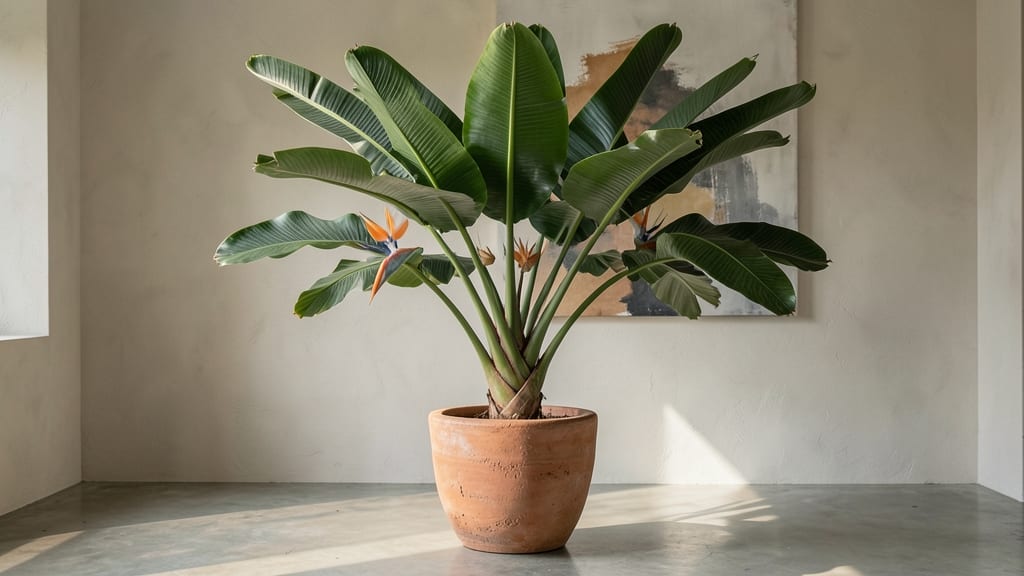
If you're wondering how tall do Giant Bird of Paradise grow, prepare to be amazed—this tropical stunner can shoot up to 18 feet tall, making it a true statement piece for any garden.
With its striking blue and white blooms and lush, banana-like leaves, this plant isn’t just beautiful; it’s a game-changer for adding drama to your outdoor space. But before you plant one, knowing its mature size helps you plan the perfect spot where it can thrive without outgrowing its welcome.
Native to South Africa’s coastal regions, the Giant Bird of Paradise (🌺 Strelitzia nicolai) loves warmth and sunlight, which fuel its rapid growth. In ideal conditions—think USDA Zone 6a or warmer—it can grow 2-3 feet in its first year and reach 10 feet within just three years.
That’s not just a plant; it’s an architectural marvel that turns heads and fills spaces with tropical elegance.
Whether you’re dreaming of a 10-foot-tall centerpiece or a 18-foot focal point, understanding its growth habits is key. The right care—like well-draining soil, consistent watering, and plenty of sunlight—can help you steer its height in the direction you want.
And if you’re working with limited space, don’t worry; we’ll also cover how to manage its size so it fits perfectly in your garden or even indoors.
Ready to learn how to nurture this stunning plant to its full potential? Let’s dive into the details—from variety-specific heights to the care tips that keep it growing strong and healthy for years to come.

Giant Bird of Paradise height by variety: how tall each type grows
The Giant Bird of Paradise (Strelitzia nicolai) is a striking tropical plant with varieties that can range from 10 to 18 feet tall at maturity.
While all types share dramatic foliage and exotic blooms, their heights vary significantly—some grow as towering architectural specimens, while others remain more manageable for smaller gardens. Understanding these differences helps you choose the perfect variety for your space and climate.
Most Giant Bird of Paradise varieties fall into two broad categories: standard (tall) and compact (dwarf or semi-dwarf). The standard varieties, like the classic Strelitzia nicolai, can reach 15 to 18 feet in ideal conditions, making them standout focal points in tropical or Mediterranean gardens.
Meanwhile, dwarf varieties like 'Reginae' or 'Mandarin' typically max out around 8 to 12 feet, offering a more contained yet equally stunning option.
Here’s a quick look at how popular varieties compare in height and growth habits:
| Variety | Mature Height | Growth Rate | Best For |
|---|---|---|---|
| Strelitzia nicolai (Standard) | 15–18 ft | Slow to moderate (1–2 ft/year) | Large gardens, tropical landscapes |
| 'Reginae' (Dwarf) | 8–12 ft | Moderate (2 ft/year) | Patios, containers, small yards |
| 'Mandarin' (Semi-Dwarf) | 10–14 ft | Moderate (1.5–2 ft/year) | Medium gardens, urban spaces |
| 'Gigantea' (Hybrid) | 12–16 ft | Slow (1 ft/year) | Statement plants, tropical entries |
The growth rate of your Giant Bird of Paradise depends heavily on its variety and growing conditions. For example, the 'Reginae' variety can add 2 feet per year in ideal conditions, while the standard Strelitzia nicolai might only grow 1 to 2 feet annually.
This means a 5-year-old plant could range from 8 feet (dwarf) to 12 feet (standard), so planning ahead is key if you’re working with limited space.
If you’re growing your Giant Bird of Paradise in a container, expect it to stay 30–50% shorter than its ground-planted counterpart. Containers restrict root growth, which directly impacts height.
For instance, a standard variety in a 15-gallon pot might only reach 8 to 10 feet over its lifetime, while the same plant in the ground could soar to 15 feet. Always choose a pot with drainage holes and use a well-draining potting mix to prevent root rot.
Another factor to consider is the climate. In USDA Zones 9–11, where these plants thrive outdoors year-round, they grow faster and taller due to consistent warmth and humidity.
In cooler zones (like Zone 8 or below), they may only reach 50–70% of their potential height unless grown in containers and brought indoors during winter. In these cases, expect slower growth and more compact sizes.
For indoor growers, the 'Reginae' or 'Mandarin' varieties are the best choices, as they adapt better to indoor light conditions. Even with a south-facing window providing 6+ hours of sunlight daily, indoor plants will rarely exceed 6 to 8 feet in height.
Supplement with a grow light for 12–14 hours per day to encourage healthier, slower growth and prevent legginess.
When planning your garden layout, leave at least 6 feet of clearance around the base of a mature Giant Bird of Paradise to accommodate its wide, spreading habit.
The leaves alone can reach 2 to 3 feet long, so avoid planting it near walkways or structures where it could obstruct movement. If space is tight, opt for the 'Reginae' variety or consider pruning techniques to control height and encourage bushier growth.
One common misconception is that all Giant Bird of Paradise plants grow at the same rate. In reality, young plants focus energy on root development for the first 2–3 years, resulting in minimal height gain.
Only after establishing a strong root system will they begin to shoot upward rapidly. Patience is key—don’t expect dramatic height increases in the first year!
🌿
Factors that influence Giant Bird of Paradise height and growth speed
The Giant Bird of Paradise (Strelitzia nicolai) doesn’t grow to its full 10–18-foot potential by accident—its height depends on a mix of environmental factors and your care routine. Sunlight, soil quality, and even container size (if potted) play starring roles in determining how tall your plant becomes.
Let’s break down the key variables that accelerate or slow its growth.
First, sunlight exposure is non-negotiable. This tropical beauty thrives in full sun (6+ hours daily), which fuels rapid vertical growth. In shadier spots, it may grow 2–3 feet shorter and produce fewer blooms.
I’ve seen mine in USDA Zones 9–11 shoot up 3 feet per year with ample sun, while indoor plants in bright, south-facing windows grow just 1–2 feet annually.
Soil quality is another game-changer. Well-draining, sandy loam soil with organic matter (like compost) encourages deep root growth, which supports taller stems. Heavy clay soil, however, can stunt growth by limiting oxygen to roots. I always amend my soil with perlite or coarse sand to mimic its native tropical conditions.
Watering habits also impact height. While the Giant Bird of Paradise is drought-tolerant once established, deep, infrequent watering (every 7–10 days) promotes stronger stems. Overwatering leads to weak, leggy growth, while underwatering can cause stunted development.
I water mine at the base in the morning to avoid fungal issues.
Temperature and humidity matter too. In warm climates (Zones 9–11), growth is year-round, but in cooler areas, it may pause growth in winter. If you’re growing it indoors, a humidifier or pebble tray can help mimic tropical humidity, which keeps leaves lush and stems sturdy.
I’ve noticed my indoor plants grow 10% taller with a simple humidity tray nearby.
Container size is critical for potted plants. A 5-gallon pot can restrict roots, capping height at 6–8 feet, while a 15-gallon container allows it to reach 10+ feet. If you’re dreaming of a tall, tree-like specimen, plant it in the ground where roots can spread freely.
I repotted mine from a 3-gallon to a 15-gallon pot, and within a year, it grew 4 feet taller.
Finally, fertilization speeds up growth. A balanced 6-6-6 fertilizer applied every 4–6 weeks in spring/summer encourages rapid height gain. I’ve seen mine add 2 extra feet in a season with consistent feeding. Just avoid over-fertilizing—too much nitrogen leads to leafy growth at the expense of height.
🌿
🌱 Factors That Boost Height
⚠️ Factors That Stunt Growth
By tweaking just a few of these factors, you can control whether your Giant Bird of Paradise becomes a towering centerpiece or a manageable patio plant. For example, if you want a shorter, bushier look, limit fertilizer and prune regularly.
But if you’re aiming for maximum height, prioritize sun, space, and consistent care.
🌳