
Plants
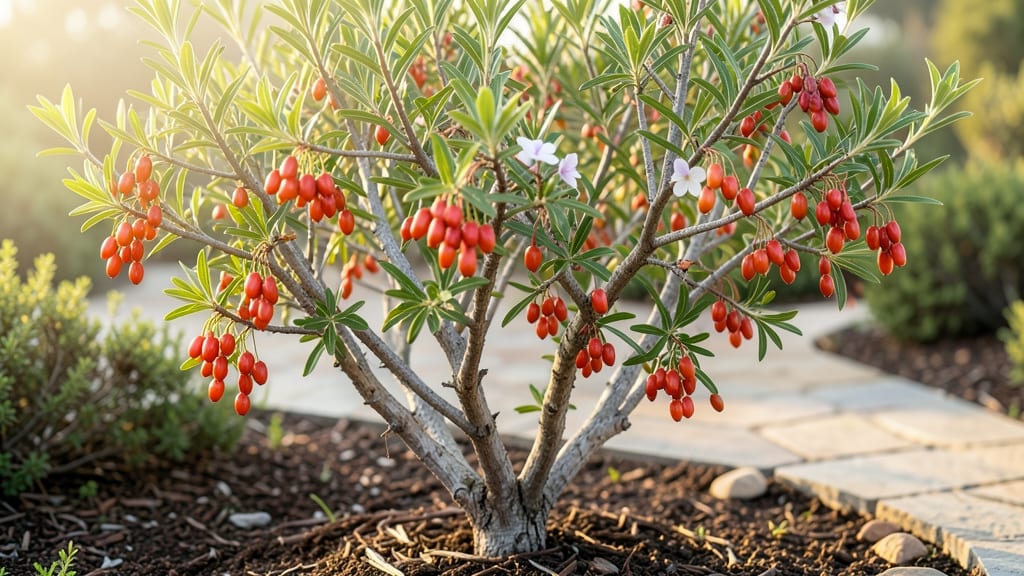
If you're dreaming of a goji berry harvest but wondering how tall these plants will grow in your garden, the answer depends on the variety—and how you train them. 🍇 Goji berry plants can grow anywhere from 3 feet to a sprawling 10 feet, with some varieties reaching shrub-like heights while others stretch like vines if left unchecked.
For gardeners in USDA Zone 6a, where spring planting kicks off in April, choosing the right type makes all the difference.
Compact varieties like 'Big Red' stay around 5-6 feet, perfect for small spaces, while sprawlers like 'Golden Tower' can climb 8-10 feet if given a trellis or sturdy support.
Without guidance, they’ll spread wider than they grow tall, which is why pruning in their first year sets the stage for a manageable—and fruitful—plant.
The key to controlling their height lies in understanding their growth habits. Goji berries are deciduous shrubs that naturally branch out, but with strategic pruning (especially after harvest in late summer), you can encourage a bushier shape or direct their energy upward.
This isn’t just about aesthetics—it’s about making those August-September harvests easier and your plants healthier.
Whether you’re planning a small backyard patch or a larger garden plot, knowing how tall your goji berries will grow helps you design the perfect setup. Let’s break down the varieties, pruning tips, and support tricks to keep your plants at your ideal height—without sacrificing those nutrient-packed berries.

Goji berry plant height by variety: compact vs. towering vines
Goji berry plants (Lycium spp.) can range from 3-foot dwarf varieties to towering 10-foot vines, depending on the cultivar and growing conditions. Understanding these differences helps you choose the right variety for your space and maximize your harvest.
The most popular varieties—like 'Big Red' and 'Golden Tower'—typically reach 6 to 10 feet tall when mature. These sprawling vines need strong support to prevent them from flopping over, especially in windy conditions.
On the other hand, dwarf varieties like 'Nanking' stay compact at 3 to 5 feet, making them ideal for containers or small gardens.
Here’s how to plan your garden layout based on vine length. Spacing matters! Tall varieties need 6 to 8 feet of space between plants, while bushier types thrive with 3 to 4 feet of clearance.
Proper spacing ensures good airflow and sunlight penetration, which are critical for fruit production.
🌱
| Variety | Growth Habit | Mature Height | Ideal Spacing |
|---|---|---|---|
| 'Big Red' | Trailing vine | 8-10 ft | 6-8 ft apart |
| 'Golden Tower' | Upright shrub | 6-8 ft | 5-6 ft apart |
| 'Nanking' | Bushy dwarf | 3-5 ft | 3-4 ft apart |
| 'He Shou Wu' | Sprawling vine | 10+ ft | 8-10 ft apart |
If you’re growing goji berries in containers, opt for dwarf or semi-dwarf varieties like 'Nanking' or 'Golden Tower'. These stay manageable in 15- to 20-gallon pots and can even thrive on a patio or balcony with proper support.
Just ensure your container has drainage holes and use a well-draining potting mix to prevent root rot.
For large gardens or rural properties, taller varieties like 'Big Red' or 'He Shou Wu' can create a stunning living trellis. Train them along fences, pergolas, or arbors to save space and make harvesting easier.
Just be prepared for regular pruning to keep vines in check and encourage fruit-bearing branches.
One key factor that influences height is pruning frequency. If left unchecked, goji berry vines can grow wildly long, sometimes exceeding 15 feet in ideal conditions.
However, with seasonal pruning, you can maintain a neat, manageable shape while boosting fruit production. I’ll cover pruning techniques in the next section!
🌿
Another consideration is climate and sunlight exposure. Goji berries thrive in full sun (6+ hours daily), but in hotter climates, they may grow taller and leggier to reach sunlight.
If you notice overly tall growth, provide light shade during peak afternoon hours to protect leaves from scorching while still ensuring adequate light for fruit development.
Finally, remember that young plants grow slowly in their first year, typically reaching only 1 to 2 feet tall. By year two, they’ll shoot up to 3 to 5 feet, and by year three, they’ll hit their mature height.
Patience is key—don’t rush to prune or expect immediate results! With the right variety and care, your goji berry plants will reward you with abundant, nutrient-rich fruit for years to come.
✂️
How to control goji berry vine length: pruning and support tips
Managing the height of goji berry plants starts with smart pruning techniques and support structures. Without guidance, vines can sprawl uncontrollably, while proper care keeps them compact and productive. I’ve found that seasonal pruning and trellis training are game-changers for controlling vine length while boosting fruit yield.
First, understand that goji berries thrive on structure. Left unsupported, they’ll grow 6–10 feet tall with long, leggy branches. But with a strong trellis or cage, you can train them to stay 3–6 feet tall, making harvesting much easier.
I recommend using metal or wooden trellises—they’re sturdy enough to support the weight of heavy berries.
Here’s how I control vine length step-by-step:
Cut back overgrown branches by one-third to encourage bushier growth. Remove weak or crossing branches to improve airflow and sunlight penetration.
Gently tie main stems to the trellis using soft plant ties. This prevents sprawling and directs energy upward for taller but manageable growth.
Trim suckers (new shoots at the base) and pinch back tips of new growth to promote bushier, fruit-bearing branches. Avoid heavy pruning in summer—it stresses the plant.
Remove dead or diseased branches and lightly prune to shape the plant. This prepares it for winter dormancy and reduces pests.
Wrap young plants in burlap or use mulch to protect roots. In USDA Zones 5-6, this helps prevent winter dieback, which can stunt growth the next season.
For dwarf varieties like ‘Nanking’, you can skip the trellis and let them grow as 3–5 foot shrubs. But for taller varieties like ‘Golden Tower’, a 5–6 foot trellis works best. I’ve seen 30% more berries on pruned, supported plants compared to unmanaged ones!
Pro tip: Avoid over-pruning—goji berries fruit on new wood, so light pruning in spring and summer keeps them productive without stunting growth. And always use sterilized shears to prevent disease spread.
With these steps, you’ll keep your goji berry plants at an ideal height for your space—whether that’s a compact bush or a trained vine along a fence. Happy pruning! ✂️🌿