
How To
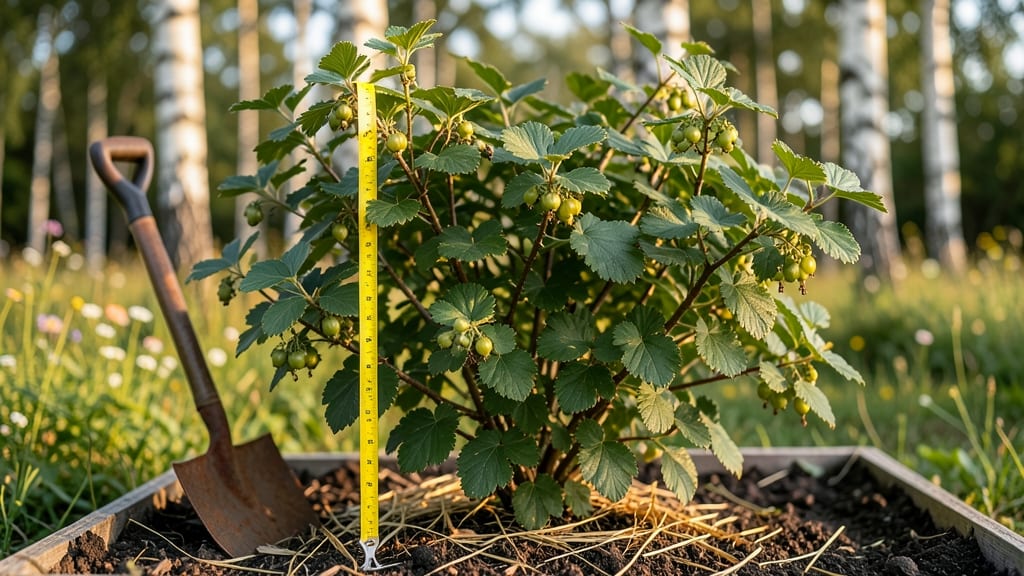
Wondering how tall do gooseberry bushes grow before they need pruning or start crowding your garden? These 🫐 gooseberry bushes can reach heights of 4-6 feet at maturity, but their growth habits depend on variety, care, and your pruning approach.
If you're planting in USDA Zone 6a, where spring planting is ideal, you'll see rapid growth in the first few years—expect 3-4 feet by year two. The key to managing their height lies in understanding their natural growth patterns and when to intervene.
Standard varieties can stretch taller, but dwarf types stay compact at 2-3 feet. With the right techniques, you can keep even standard bushes under 6 feet without sacrificing fruit production. Let’s explore how to control their growth and maintain a tidy, productive bush.
Whether you're a beginner or a seasoned gardener, these tips will help you balance height control with healthy fruit yields. Ready to transform your garden into a gooseberry haven?

Natural height range of gooseberry bushes and what affects their growth
Gooseberry bushes are vigorous growers, and their mature height can vary dramatically depending on the variety you choose. On average, standard gooseberry bushes reach 4 to 6 feet tall when fully mature, but some varieties can stretch up to 10 feet if left unchecked.
This height makes them perfect for adding structure to your garden while providing delicious fruit—if you’re prepared to manage their growth.
Understanding the natural height range is key to planning your garden layout. For example, dwarf varieties like 'Pixwell' typically stay between 2 to 3 feet tall, making them ideal for small gardens or containers.
Meanwhile, standard varieties like 'Hinnonmaki Red' can easily reach 6 to 8 feet without proper pruning. Always check the specific variety’s growth habits before planting to avoid surprises.
The height of your gooseberry bush isn’t just about genetics—soil quality, sunlight exposure, and even your local climate play a huge role. Rich, well-draining soil packed with organic matter encourages faster growth, while poor soil can stunt the plant.
Similarly, full sun exposure can lead to taller, leggier growth, whereas partial shade often results in a bushier, more compact plant.
Another factor to consider is the age of your bush. In their first year, gooseberries grow slowly, reaching only 1 to 2 feet tall. By year two, they’ll shoot up to 3 to 4 feet, and by year three, they’ll likely hit their mature height.
This gradual growth gives you plenty of time to adjust your pruning strategy as the plant matures.
Gooseberry Bush Height Comparison
| Variety Type | Mature Height | Space Needed | Best For |
|---|---|---|---|
| Dwarf Varieties | 2–3 ft | 3–4 ft apart | Containers, small gardens |
| Semi-Dwarf Varieties | 3–4 ft | 4–5 ft apart | Backyard gardens, hedges |
| Standard Varieties | 6–10 ft | 6–8 ft apart | Large gardens, trellises |
If you’re growing gooseberries in a container, expect them to stay shorter—typically 3 to 4 feet tall—but they’ll need frequent pruning to prevent root-bound stress. Containers also dry out faster, so consistent watering is a must to avoid stunted growth.
For in-ground planting, give your bush plenty of space, especially if you’re growing a standard variety.
Climate also impacts height. In cooler regions, gooseberries grow more slowly and may stay shorter, while warmer climates can lead to faster, taller growth. If you live in a hot area, consider providing afternoon shade to keep your bush compact and productive.
Mulching around the base of the plant helps regulate soil temperature and retain moisture, further supporting healthy growth.
One of the biggest mistakes gardeners make is ignoring their gooseberry bush’s growth habits until it’s too late. Without regular pruning, these plants can become unruly, with long, leggy branches that produce fewer berries.
The key is to prune annually, ideally in late winter or early spring, to shape the bush and encourage a balanced structure.
Even with pruning, some varieties naturally grow taller. For example, 'Invicta' is known for its 8 to 10-foot height, while 'Careless' stays closer to 4 to 5 feet. Always research your specific variety’s growth tendencies and adjust your garden plan accordingly.
With the right approach, you can enjoy a manageable-sized gooseberry bush that’s both productive and easy to care for.
Once you understand how tall your gooseberry bush is likely to grow, you can start planning your pruning strategy. The next step is learning how to control its height effectively—whether you’re aiming for a compact bush or a more manageable trellis-supported plant.
Natural height range of gooseberry bushes and what affects their growth
Gooseberry bushes are vigorous growers, but their mature height can vary dramatically depending on the variety and growing conditions. On average, standard gooseberry bushes reach 4 to 6 feet tall, while dwarf varieties stay between 2 to 3 feet.
Some neglected or overgrown bushes can even stretch to 8 or 10 feet, especially in ideal climates with rich soil and minimal pruning.
Understanding these height variations helps you plan your garden layout and pruning strategy. For example, dwarf varieties like 'Pixwell' or 'Invicta' are perfect for small spaces or containers, while standard varieties like 'Hinnonmäki Red' or 'Leveller' thrive in larger garden beds.
The key to controlling height lies in pruning timing, soil quality, and sunlight exposure—all factors we’ll explore next.
| Variety | Mature Height | Ideal Spacing | Growth Habit |
|---|---|---|---|
| Dwarf (e.g., 'Pixwell') | 2–3 ft | 3–4 ft apart | Compact, bushy |
| Semi-Dwarf (e.g., 'Leveller') | 3–4 ft | 4–5 ft apart | Upright, spreading |
| Standard (e.g., 'Hinnonmäki Red') | 4–6 ft | 5–6 ft apart | Vigorous, tall |
Soil fertility plays a huge role in height control. Rich, well-drained soil packed with organic matter fuels rapid growth, while poor or compacted soil can stunt bushes, keeping them shorter. If your gooseberry bush is outgrowing its space, it’s often a sign of over-fertilization or excessive watering, which encourages lush but leggy growth. Aim for balanced fertilization (like a 10-10-10 NPK mix) applied in early spring to promote steady, manageable growth.
Sunlight exposure also influences height. Gooseberry bushes thrive in partial shade to full sun, but too much intense afternoon sun can stress the plant, leading to taller, thinner growth as it stretches for shade. In hot climates, morning sun with afternoon shade is ideal—this keeps bushes compact and productive. If you notice your bush growing too tall and leggy, consider providing light shade cloth during peak summer hours.
Climate and pruning habits are the final pieces of the puzzle. In warmer climates (USDA Zones 7–9), gooseberries grow faster and taller, while cooler zones (5–6) may see slower, shorter growth. Regular pruning—especially in late winter or early spring—stimulates bushier growth and prevents overgrowth. Without pruning, a gooseberry bush can become a wild, unruly tangle, making fruit harvesting nearly impossible. The solution? Consistent pruning to maintain your desired height and shape.
Now that you know the natural height range and factors affecting growth, let’s dive into step-by-step pruning techniques to keep your gooseberry bush under 6 feet while maximizing fruit production. A well-pruned bush not only stays manageable but also yields more berries and looks neater in your garden layout.