
How To
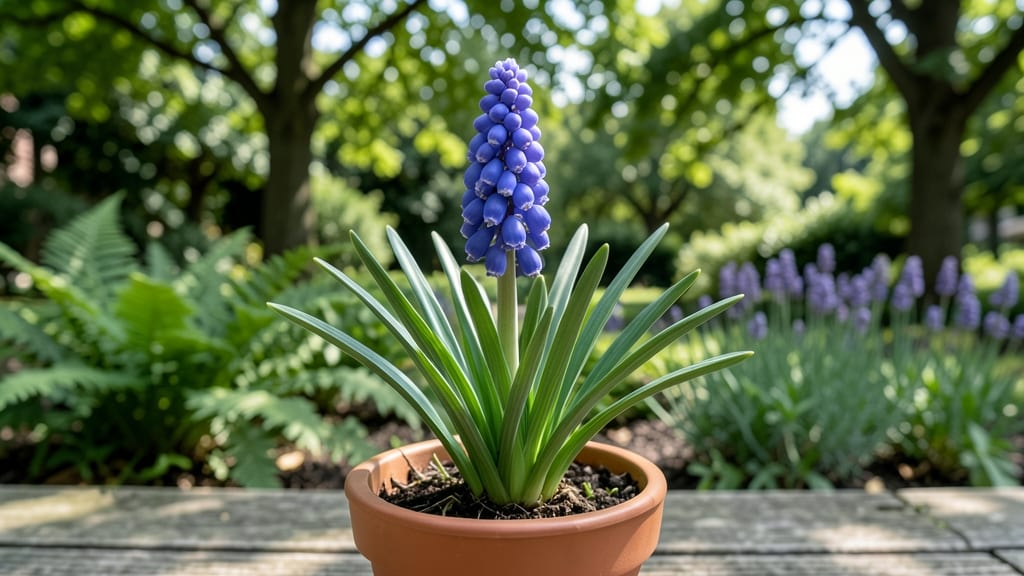
If you’re wondering how tall do grape hyacinths grow, you’re about to discover why these tiny bulbs pack a big visual punch in your garden.
These delicate 🌸 grape hyacinths typically reach just 6–12 inches at maturity, making them perfect for borders, containers, or even tucked into rock gardens where space is limited.
Their compact size doesn’t mean they lack impact—quite the opposite! These spring bloomers thrive in USDA Zone 6a and beyond, delivering clusters of grape-like flowers that burst from the ground like little purple-blue surprises.
Whether you’re planting them in fall (September–October) or dreaming up a spring display, their height plays a key role in how you’ll use them in your design.
What’s most important to know? Their dwarf stature means they pair beautifully with taller perennials or even edging stones, while their early bloom time (April–May) gives you a head start on color.
But here’s the secret: spacing them correctly—about 4–6 inches apart—ensures they grow to their full, vibrant potential without competing for space.
Ready to learn how to maximize their height and bloom density? Let’s dive into the details so you can create a garden that’s as charming as it is well-planned.

Grape hyacinth height breakdown: from tiny bulbs to stunning clusters
When you plant grape hyacinth bulbs in fall, you’re setting the stage for 6–8-inch-tall springtime blooms that resemble tiny grape clusters. These dwarf perennials are perfect for borders, containers, and rock gardens where space is limited.
Their compact size makes them ideal for filling gaps between taller perennials like tulips or daffodils, creating a layered look without overwhelming your garden.
The mature height of grape hyacinths typically ranges from 6 to 12 inches, depending on the cultivar and growing conditions. Most varieties stay on the shorter end—closer to 6–8 inches—while a few may reach up to 10–12 inches under ideal circumstances.
Their slender, grass-like leaves emerge first, followed by dense flower spikes that add vertical interest to your spring garden.
Here’s how their growth unfolds: bulbs planted in fall (September–October) sprout in early spring, with flowers appearing 3–4 months later. The blooms last 2–3 weeks, but the foliage remains attractive until summer before fading.
Understanding this timeline helps you plan companion plants that will bridge the gap after grape hyacinths finish blooming.
| Growth Stage | Height Range | Timeframe | Key Features |
|---|---|---|---|
| Planting | Bulb depth: 4–6" | Fall (Sep–Oct) | Dormant until spring |
| Early Spring | Leaves: 4–6" | March–April | Grass-like foliage emerges |
| Blooming | 6–12" | April–May | Purple-blue flower spikes |
| Post-Bloom | Leaves: 6–12" | May–June | Foliage yellows, bulbs recharge |
One common misconception is that grape hyacinths will grow taller if you plant them deeper. In reality, deeper planting (beyond 6 inches) can stunt growth or delay blooming. Aim for 4–6 inches deep and 4–6 inches apart to encourage healthy, compact plants.
Overcrowding can also reduce height and bloom density, as bulbs compete for nutrients and space.
If you’re using grape hyacinths in container gardens, their height makes them perfect for window boxes or hanging baskets. Pair them with low-growing thyme or creeping jenny to create a cascading effect.
In ground beds, their 6–8-inch height allows them to peek above ground covers like ajuga or heuchera without blocking sunlight to taller neighbors.
For maximum height, ensure your grape hyacinths receive full sun to partial shade (at least 4–6 hours of sunlight daily). In hot climates, afternoon shade helps prevent leaf scorching, which can weaken stems and reduce bloom quality.
Well-draining soil is another critical factor—waterlogged conditions can cause bulbs to rot before they reach their full height potential.
When designing your garden layout, think of grape hyacinths as vertical accents rather than fillers. Their 6–8-inch stature makes them ideal for edging pathways or framing larger plants.
For example, plant them in a single row along a garden border to create a colorful, textured edge that draws the eye upward. Their early spring blooms also provide pollinator food when few other flowers are available.
Pro tip: If you notice your grape hyacinths are leaning or flopping, it’s often a sign of overcrowding or poor soil drainage. Thin out bulbs if needed, and consider adding a light mulch layer to support stems and retain moisture.
With the right care, you’ll enjoy vibrant, upright blooms year after year.
Remember, grape hyacinths are perennial, meaning they’ll return each spring if conditions are right. Their consistent height and reliable blooming make them a low-maintenance favorite for gardeners who love colorful, fuss-free flowers. Once established, they’ll naturalize and spread, creating effortless spring beauty with minimal input from you.
Grape hyacinth height breakdown: from tiny bulbs to stunning clusters
Grape hyacinths (Muscari) are one of the smallest flowering bulbs you can grow, typically reaching a mature height of just 6-12 inches. Their compact size makes them perfect for borders, rock gardens, or even container plantings where space is limited.
The height can vary slightly depending on the specific cultivar and growing conditions, but you’ll rarely see them exceed 12 inches at their peak.
These charming blooms emerge in early spring, often before many other perennials, with their purple-blue grape-like clusters adding a pop of color to the garden. The height you achieve depends on factors like bulb size, soil quality, and sunlight exposure.
Smaller bulbs may produce slightly shorter stems, while larger bulbs can reach the upper end of the 6-12 inch range. Understanding these nuances helps you plan your garden layout effectively.
| Stage | Height | Notes |
|---|---|---|
| Bulb Planting | 0 inches | Plant 4-6 inches deep |
| Early Spring Sprout | 2-4 inches | Leaves emerge first |
| Bloom Stage | 6-12 inches | Peak height at flowering |
| Post-Bloom | 4-8 inches | Leaves may yellow |
The timing of grape hyacinth blooms is just as predictable as their height. After planting bulbs in fall (September-October), you can expect to see shoots emerge in late winter, with flowers opening by April-May.
This early bloom time makes them ideal for filling gaps in spring gardens before taller perennials take over. Their graceful, arching stems create a natural, cascading effect that’s perfect for adding texture to garden beds.
When planning your garden, consider using grape hyacinths in groups of 5-10 bulbs for maximum impact. Their 6-12 inch height pairs beautifully with taller plants like tulips or daffodils, creating a layered look. For containers, plant them in the front where their compact size won’t be overshadowed.
Their height also makes them great for edging pathways or lining borders, where their vibrant color contrasts nicely with green foliage.
One common misconception is that grape hyacinths will grow taller if given more space. In reality, their height is determined by genetics and bulb size rather than container or bed dimensions.
However, providing well-draining soil and full sun to partial shade will help them reach their full potential height while ensuring robust blooms. Overcrowding can actually stunt growth, so proper spacing is key.
If you’re new to growing grape hyacinths, start with a small batch to test your soil and growing conditions. Their low-maintenance nature and drought tolerance once established make them a gardener’s dream—just watch them thrive without fuss!
With their 6-12 inch stature, they’re the perfect way to add color and charm to any garden corner.