
How To
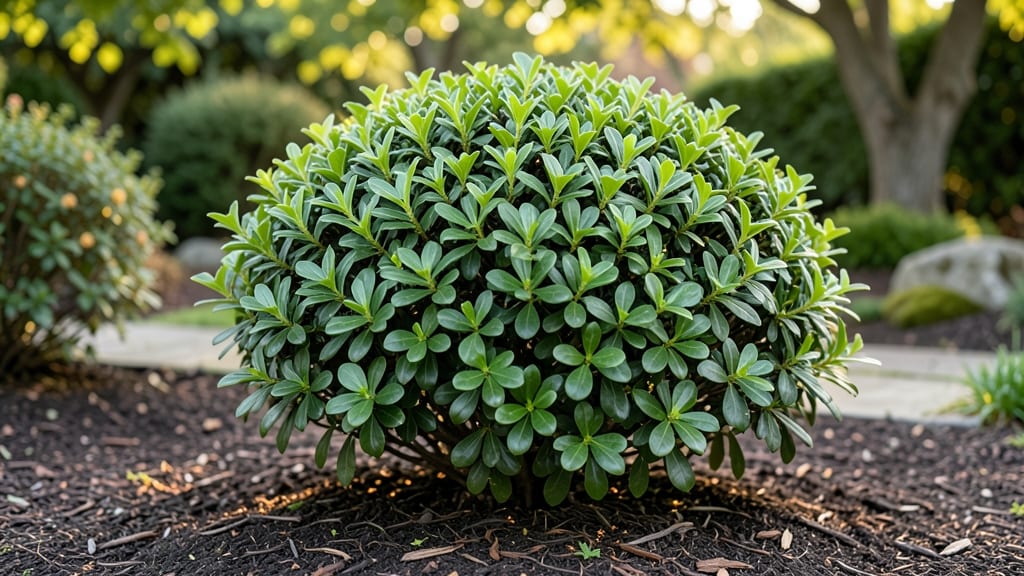
If you're wondering how tall do Green Velvet Boxwoods grow, the answer might surprise you—these evergreen shrubs 🌿 can reach heights of 3 to 6 feet when left unpruned, but with the right care, you can shape them to fit your landscape perfectly.
Picture this: a neatly trimmed Green Velvet Boxwood adding structure to your garden borders or foundation plantings. Whether you're planning a formal hedge or a low-maintenance shrub, understanding their growth habits is key to avoiding overgrowth or underutilized space.
In this guide, I’ll break down the exact mature height ranges, how pruning affects their size, and spacing tips to keep them looking their best. You’ll also discover whether these shrubs thrive as a compact hedge or a taller statement plant—plus, how to control their growth year-round.
Ready to transform your garden with this versatile plant? Let’s dive into the details so you can plant with confidence and enjoy years of lush, green beauty without the guesswork.

Mature height range of Green Velvet Boxwoods: exact growth expectations
Understanding the mature height of Green Velvet Boxwoods (Buxus sempervirens 'Green Velvet') is essential for landscape planning. These evergreen shrubs typically reach 3 to 4 feet tall at maturity, though their height can vary based on growing conditions and pruning habits.
In ideal settings, they may occasionally grow up to 5 feet tall, especially if left unpruned for several years.
For most gardeners, the standard height range of 3 to 4 feet makes Green Velvet an excellent choice for hedges, borders, or foundation plantings. Their compact yet sturdy growth habit ensures they fit well in both formal and informal garden designs.
Unlike some boxwood varieties that stretch taller, Green Velvet maintains a neat, rounded shape that’s perfect for structured landscapes.
Here’s how their height compares to other common uses:
- Hedges: 3–4 feet tall (ideal for low to mid-height barriers)
- Borders: 2–3 feet tall (when pruned annually)
- Foundation plantings: 3–4 feet tall (matches typical foundation heights)
| Growth Stage | Height Range | Notes |
|---|---|---|
| Year 1 | 1–2 feet | Slow initial growth; focus on root establishment. |
| Year 2 | 2–3 feet | Rapid growth phase; prune lightly to encourage bushiness. |
| Mature (3+ years) | 3–4 feet | Standard height for hedges; prune annually to maintain shape. |
| Unpruned (5+ years) | 4–5 feet | Less dense; may require heavy pruning to restore shape. |
The mature height of Green Velvet Boxwoods can be influenced by several factors, including soil quality, sunlight exposure, and pruning practices. For example, plants grown in rich, well-draining soil with partial shade tend to reach their full height more quickly than those in poorer conditions.
Conversely, overcrowded plantings or nutrient-deficient soil can stunt growth, resulting in shrubs that stay closer to 2 to 3 feet tall.
In warmer climates (USDA Zones 7–9), Green Velvet Boxwoods may grow slightly taller due to longer growing seasons. In cooler climates (Zones 5–6), their growth rate slows, and they may max out at 3 feet tall unless given extra care. Always check your local climate zone to adjust expectations accordingly.
To measure your Green Velvet Boxwood’s height accurately, use a measuring tape or ruler from the base of the plant to the highest point of the foliage.
For hedges, measure the average height across multiple stems to account for natural variations. This helps you track growth trends and plan future pruning sessions effectively.
If you’re planting Green Velvet Boxwoods near structures, walkways, or other plants, leave at least 2 to 3 feet of space around them to avoid overcrowding. This spacing ensures they have room to reach their mature height without competing for nutrients or light.
Overcrowded plants often grow leggy or sparse, which can detract from their neat appearance.
For gardeners aiming for a specific height, regular pruning is key. By trimming back 1/3 of the new growth in late spring or early summer, you can encourage a fuller, more compact shape while controlling vertical expansion.
This technique is especially useful for creating low hedges or borders where a shorter stature is desired.
In summary, the typical mature height of Green Velvet Boxwoods is 3 to 4 feet, but their growth can be fine-tuned with proper care. Whether you’re designing a hedge, border, or foundation planting, understanding these height expectations will help you create a polished, low-maintenance landscape.
Mature height range of Green Velvet Boxwoods: exact growth expectations
Green Velvet Boxwoods (Buxus sempervirens 'Green Velvet') typically reach a mature height of 3 to 4 feet when grown in ideal conditions. However, their final height can vary based on factors like pruning habits, soil quality, and climate zones. In warmer regions like USDA Zones 7-9, they may grow slightly taller, while cooler climates might limit growth to the lower end of the range.
Understanding these variations helps you plan spacing and pruning strategies. For example, if you’re creating a formal hedge, maintaining a height of 3 feet requires regular pruning. Without pruning, these boxwoods can stretch toward 4 to 5 feet, especially in southeastern states where they thrive in humidity.
🌿
| Growth Stage | Height Range | Key Factors |
|---|---|---|
| Year 1 | 1–2 ft | Root establishment, minimal pruning |
| Year 2–3 | 2–3 ft | Regular watering, balanced fertilizer |
| Mature (5+ years) | 3–4 ft | Pruning frequency, soil drainage, sunlight |
To measure your Green Velvet Boxwood accurately, use a tape measure from the base to the highest point of the foliage. Avoid measuring during wet conditions, as branches may appear longer due to water retention.
For hedge plantings, space shrubs 2 to 3 feet apart to allow airflow and prevent overcrowding.
In container gardening, height is often controlled by pot size. A 5-gallon container will limit growth to 2–3 feet, while larger pots (15+ gallons) may encourage full mature height. Always ensure containers have drainage holes to prevent root rot, which can stunt growth.
If you’re unsure about your local climate’s impact, check with your local cooperative extension office for region-specific advice. They can provide insights on microclimates that might affect height, such as urban heat islands or coastal winds.
🌳