
How To
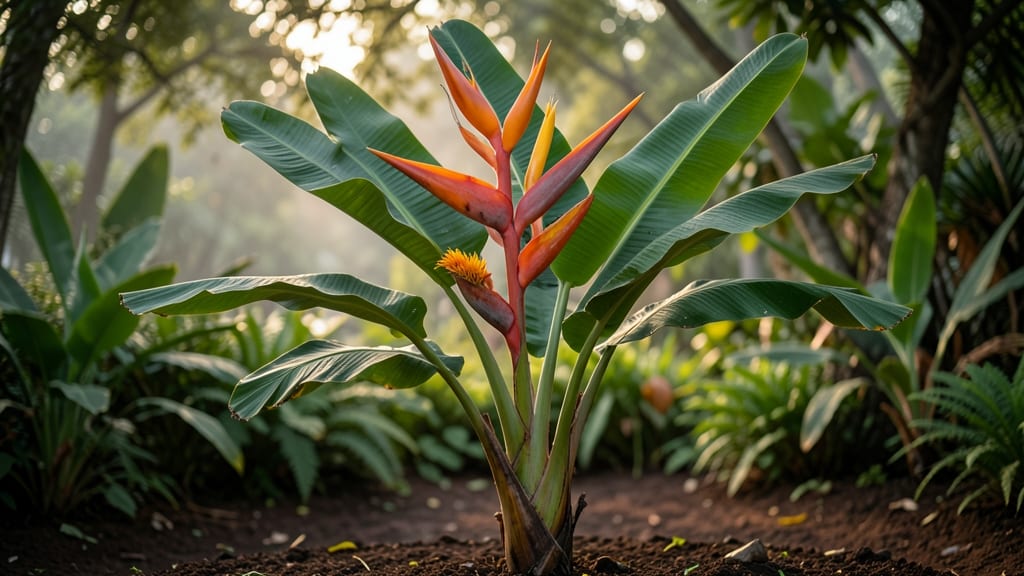
If you've ever wondered how tall do heliconias grow, you're not alone—these tropical stunners can reach heights that rival small trees, making them a dramatic but tricky addition to any garden. 🌺 Known for their vibrant, bird-like blooms, heliconias thrive in zones 10-12 and can shoot up to 12 feet in ideal conditions, while some varieties stay more manageable at just 3-5 feet.
The key to their height lies in the variety, with species like Heliconia psittacorum towering over others and Heliconia bihai offering a more compact option.
Whether you're planning a lush tropical border or a container garden, understanding these differences is the first step to creating a space that works for both your plants and your layout.
But here's the catch: their rapid growth means proper spacing and pruning are non-negotiable. A 6-foot heliconia needs room to breathe, while a 10-foot giant could overwhelm a small yard if not managed correctly.
I’ll break down exactly how to accommodate their size—from dwarf varieties to towering giants—so you can enjoy their beauty without the headaches.
Ready to turn your garden into a heliconia haven? Let’s dive into the height chart, spacing rules, and pro tips to keep these tropical showstoppers thriving—no matter how tall they grow.

Heliconia height chart: comparing popular varieties by mature size
Heliconias are stunning tropical plants known for their vibrant, bird-like blooms, but their height variations can be shocking—some tower like small trees while others stay manageable for small gardens.
The mature height of a heliconia depends entirely on the variety, with some reaching 12+ feet and others staying under 3 feet. Understanding these differences helps you plan your garden layout, choose the right container sizes, and even decide whether to grow them indoors or outdoors.
Most heliconias grow 3-12 feet tall at maturity, but growth rates vary dramatically between species. For example, Heliconia psittacorum (parrot heliconia) typically grows 6-10 feet tall, while Heliconia bihai (lobster claw) often stays between 4-8 feet.
Some rare varieties, like Heliconia rostrata, can exceed 12 feet in ideal conditions. Even their growth habits differ—some form clumping growth patterns while others spread via rhizomes, affecting how much space they’ll eventually occupy.
🌺
| Variety | Mature Height (ft) | Growth Habit | Ideal Climate |
|---|---|---|---|
| Heliconia psittacorum | 6-10 ft | Clumping | Tropical/subtropical |
| Heliconia bihai | 4-8 ft | Rhizomatous | Humid, warm |
| Heliconia rostrata | 10-15 ft | Clumping | Tropical rainforest |
| Heliconia latispatha | 5-9 ft | Clumping | Warm, sheltered |
| Heliconia caribaea | 8-12 ft | Rhizomatous | Coastal tropical |
| Heliconia wagneriana | 3-6 ft | Clumping | Humid, shaded |
If you’re growing heliconias in containers, choose pots at least 12-18 inches deep for dwarf varieties like Heliconia wagneriana, but 24-36 inch pots are essential for taller types like Heliconia rostrata.
The root system of these plants is extensive, and cramped containers will stunt growth or cause root rot from poor drainage. Always use pots with drainage holes and a high-quality, well-draining potting mix blended with perlite or orchid bark.
Another key factor influencing height is light exposure. While heliconias thrive in partial shade, too little light can lead to leggy, weak growth and reduced blooming. Place taller varieties like Heliconia caribaea near east-facing walls or under dappled sunlight to encourage upright, sturdy growth.
In USDA zones 10-12, these plants grow year-round, but in cooler microclimates, they may need winter protection like mulch or frost cloth.
For first-year growth, heliconias typically reach 1-2 feet tall, but by year two, they can shoot up 3-5 feet. This rapid growth means you’ll need to monitor their spacing requirements early to avoid overcrowding.
Some gardeners use stakes or trellises for taller varieties to support their heavy flower stalks, which can weigh down stems during wet seasons.
🌿
If you’re planning a heliconia garden, consider mixing tall and short varieties to create visual interest. For example, pair Heliconia wagneriana (3-6 ft) with Heliconia psittacorum (6-10 ft) to add layers without overwhelming your space.
In small gardens, opt for dwarf-like varieties or use pruning techniques to control height—more on that in our next section!
Heliconia height chart: comparing popular varieties by mature size
Heliconias are stunning tropical plants, but their mature heights can vary dramatically—from compact varieties perfect for containers to towering giants that need space like small trees. Understanding these differences helps you choose the right variety for your garden or patio.
Some heliconias grow under 3 feet, while others reach 12+ feet tall, making proper planning essential.
Most heliconias fall into three height categories: dwarf (3–5 ft), medium (6–10 ft), and tall (10–15+ ft). The variety you select will dictate where you plant it—near fences, in large containers, or as a focal point in tropical gardens.
Let’s explore the most popular types and their mature sizes.
| Variety | Mature Height | Growth Habit | Ideal Climate |
|---|---|---|---|
| Heliconia psittacorum | 6–10 ft | Clumping | Tropical |
| Heliconia bihai | 8–12 ft | Rhizomatous | Subtropical |
| Heliconia rostrata | 4–6 ft | Compact | Tropical |
| Heliconia latispatha | 10–15 ft | Tall Clumping | Tropical |
| Heliconia chartacea | 5–8 ft | Clumping | Subtropical |
| Heliconia wagneriana | 12–15 ft | Giant | Tropical |
For example, Heliconia psittacorum (parrot heliconia) typically grows 6–10 feet tall and thrives in tropical climates, making it ideal for large gardens or greenhouses. In contrast, Heliconia rostrata stays shorter at 4–6 feet, perfect for smaller spaces or containers.
Always check the growth habit—clumping varieties spread outward, while rhizomatous types expand aggressively.
If you’re growing heliconias in USDA Zones 10–12, most varieties will reach their mature height within 2–3 years. However, in cooler climates, growth slows significantly. For instance, Heliconia bihai may only reach 6–8 feet if grown in Zone 11 instead of its native tropical habitat.
Always plant in well-draining, rich soil with partial shade to encourage healthy growth.
Before planting, measure your space carefully. A 12-foot heliconia needs ample room to avoid shading out nearby plants. For smaller gardens, consider dwarf varieties or use containers with 18–24-inch diameter to accommodate their root systems. Always plant near a support structure if your variety tends to lean.
Heliconias reward patience with vibrant, exotic blooms that last weeks, but their height can be overwhelming if not planned for. Choose a variety that fits your space, and don’t forget to prune spent flower stalks to redirect energy into new growth.
With the right variety, your heliconia will become a stunning focal point in any tropical garden. 🌺