
Plants
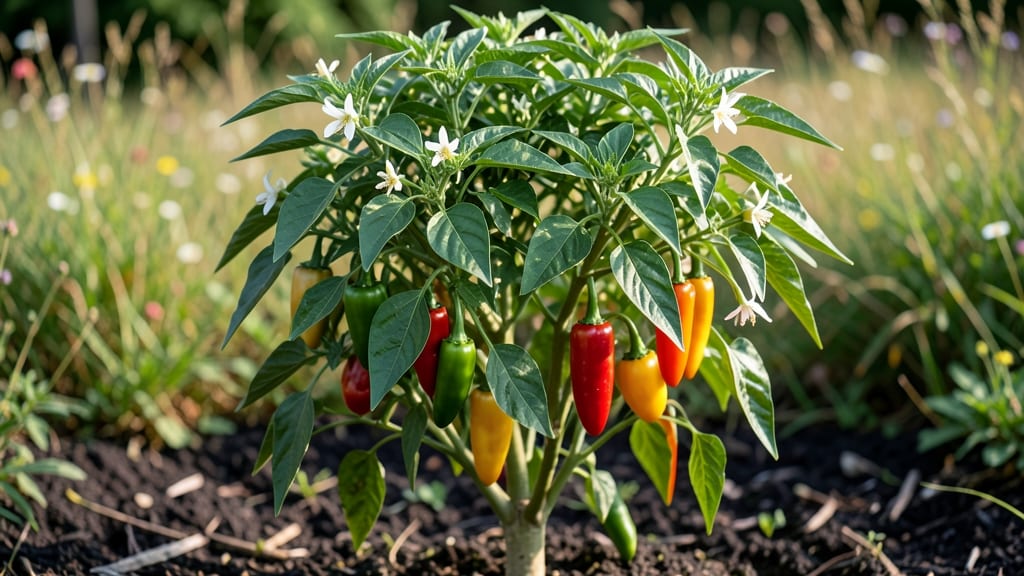
If you're wondering how tall do hot pepper plants grow, the answer might surprise you—some varieties barely reach your waist, while others tower like small trees. Knowing these differences is the key to maximizing your harvest, whether you're working with a tiny balcony garden or a sprawling backyard plot.
🌶️ Hot pepper plants typically range from just 1 foot to over 4 feet, depending on the variety. Compact types like Thai chilies stay under 2 feet, while giants like habaneros can stretch toward the sky.
The right choice makes all the difference in how much space you need—and how much heat you'll pack into your harvest.
But here's the secret: you don't have to let size dictate your success. With the right pruning techniques and smart planting strategies, you can control growth to fit your space perfectly.
Whether you're a city gardener with limited room or a rural grower with extra space, we'll show you how to work with your plants—not against them.
Ready to discover which varieties thrive in tight spots and how to keep your peppers in check? Let's dive into the world of hot peppers and unlock the space-saving secrets that will transform your garden—no matter how big (or small) it is.

Hot pepper plant height by variety: dwarf vs. giant growth charts
Hot pepper plants come in a surprising range of sizes, from tiny windowsill-friendly varieties to towering garden giants. The height of your hot pepper plants depends entirely on the variety you choose, with some staying under 2 feet while others reach 5 feet or more.
This diversity means you can grow fiery harvests whether you have a sunny balcony or a sprawling backyard.
Understanding these height differences helps you plan your garden layout and choose the perfect container sizes. For example, Thai chilies stay compact at just 1–2 feet, while habaneros can stretch up to 5 feet if left unchecked.
Knowing these ranges lets you maximize your space and avoid overcrowding, which can lead to poor air circulation and disease risks.
Below, I’ve broken down the height ranges for popular hot pepper varieties, categorized by their growth habits. Whether you’re a balcony gardener or a large-scale grower, this chart will help you pick the perfect fit for your space.
| Variety | Height Range | Best For | Space-Saving Tip |
|---|---|---|---|
| Thai Chili | 1–2 ft | Containers, windowsills | Use 5–7" pots; prune to encourage bushiness. |
| Pequin (Bird's Eye) | 1.5–2.5 ft | Balconies, hanging baskets | Train vertically with a small trellis. |
| Jalapeño | 2–3 ft | In-ground, large containers | Space 12–18" apart; prune lower leaves. |
| Serrano | 2.5–4 ft | Garden beds, raised beds | Use a cage or stake for support. |
| Habanero | 3–5 ft | Large gardens, trellises | Prune aggressively; train on a tall trellis. |
| Cayenne | 2–4 ft | Garden beds, containers | Pinch back tips to encourage branching. |
If you’re working with limited space, dwarf varieties like Thai chilies or Pequins are ideal for containers or hanging baskets. For larger gardens, varieties like jalapeños or serranos thrive with proper spacing and support.
The key is matching your garden layout to the plant’s natural growth habit.
For taller varieties, like habaneros, consider vertical gardening techniques. A simple DIY trellis or cage can save space while keeping plants upright and well-ventilated. This not only maximizes your harvest but also reduces the risk of fungal diseases that thrive in crowded conditions.
Another pro tip: Prune early to control height. Removing the top sets of leaves encourages the plant to branch out rather than grow taller. This works especially well for jalapeños and serranos, turning them from tall spindly plants into bushier producers.
I’ve seen this trick double the yield in the same footprint!
For container gardening, choose varieties that stay under 2 feet to avoid top-heavy pots that can tip over. A 5-gallon container is perfect for Thai chilies or Pequins, while larger pots (10+ gallons) work for jalapeños or serranos.
Always ensure your container has drainage holes to prevent root rot, a common issue with overwatered peppers.
One final thought: Heat levels don’t always correlate with height
How to control hot pepper plant height: pruning, trellising, and container hacks
Managing the height of your hot pepper plants isn’t just about aesthetics—it’s about maximizing your harvest in the space you have. Whether you’re dealing with a 3-foot habanero reaching for the sky or a 1-foot Thai chili struggling to fill its pot, the right techniques can transform your garden’s efficiency.
The key lies in three strategies: pruning, trellising, and container selection, each tailored to your plant’s growth habits and your space constraints.
Pruning isn’t just for shaping—it’s a way to redirect energy. By pinching off top growth or removing side suckers, you encourage bushier plants with more fruit-producing branches.
This works especially well for standard-height varieties like jalapeños, which can grow 3–4 feet tall but benefit from a more compact form. Start pruning when plants are about 12 inches tall, focusing on removing the top set of leaves just above a leaf node to promote branching.
🌱 For taller varieties like ghost peppers, trellising is your best friend. A simple DIY trellis made from bamboo stakes or a wire cage can guide vines upward, saving floor space while improving airflow and reducing disease risk.
Install trellises early—once plants hit 6–8 inches—and gently tie stems with soft plant ties. This method works wonders for indeterminate varieties, which keep growing and producing peppers all season long.
Step-by-Step Guide to Managing Hot Pepper Height
- Prune early: Snip the top set of leaves when plants are 12 inches tall to encourage bushiness. Use clean, sharp scissors to avoid damaging stems.
- Remove suckers: Trim side shoots growing in the leaf axils to focus energy on fruit production. Do this every 2–3 weeks during the growing season.
- Install trellises: Set up supports when plants are 6–8 inches tall. Use soft ties to avoid cutting into stems as they grow.
- Container selection: Choose pots 12–18 inches wide for dwarf varieties like Pequin peppers, with drainage holes to prevent root rot.
- Fertilize wisely: Use a balanced fertilizer (10-10-10) every 4–6 weeks to support compact growth without excessive height.
- Harvest regularly: Pick peppers as they ripen to encourage more fruit production and prevent plants from becoming top-heavy.
If you’re growing in containers, size matters. Dwarf varieties like Shishito peppers thrive in 5-gallon pots, while standard types need 10+ gallons to accommodate their root systems. Always use pots with drainage holes and fill the bottom third with well-draining soil mixed with compost.
For urban gardeners, hanging baskets or vertical planters can turn a balcony into a pepper paradise, keeping plants within arm’s reach.
One common mistake is over-fertilizing, which can lead to excessive foliage at the expense of fruit. Stick to a light feeding schedule—apply fertilizer every 4–6 weeks during the growing season—and always water deeply afterward to prevent root burn.
For heat-loving varieties, mulch around the base with straw to retain moisture and regulate soil temperature, which can slow rapid growth in hot climates.
🪴 For overgrown plants, don’t panic—you can still salvage them. If a pepper plant becomes too leggy, prune back by one-third to encourage new growth. This works best in early summer, giving plants time to recover before the first frost.
And remember: harvesting frequently is just as important as pruning. The more peppers you pick, the more your plant will focus on producing fruit rather than climbing higher.