
Plants
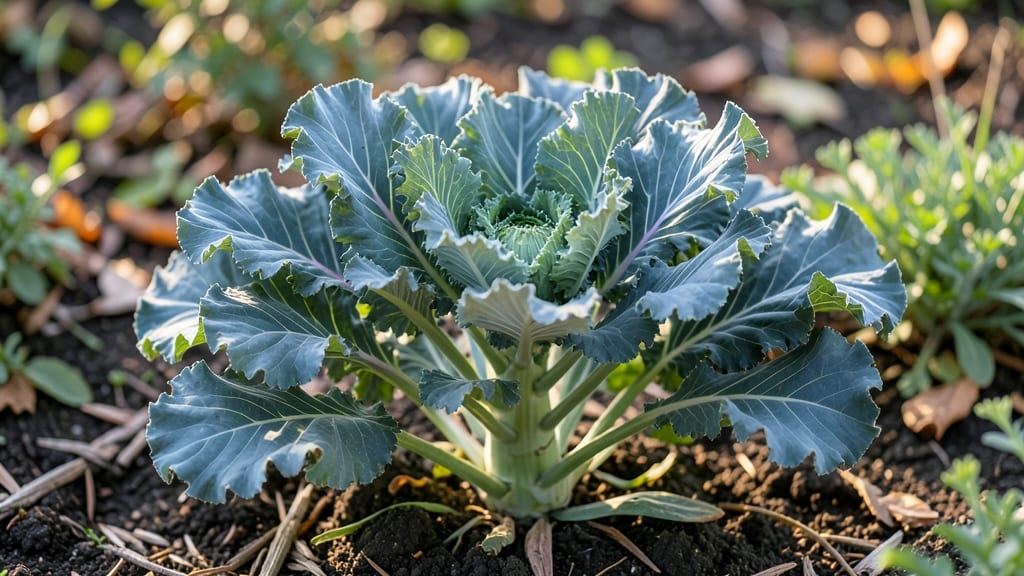
If you're planning to grow 🥬 kale and wondering how tall do kale plants grow, the answer depends on the variety you choose—and trust me, the differences are surprising.
Dwarf varieties like Dwarf Blue Curled top out at just 12–18 inches, making them perfect for containers or tight garden spots, while standard types like Lacinato can stretch up to 3 feet or more.
That height shift changes everything from spacing to harvest strategy, so let’s break down what to expect based on your garden setup.
Whether you're squeezing kale into a balcony pot or planting rows in your backyard, knowing these height ranges helps you plan spacing, trellising, and even how to maximize leaf production. I’ll show you how to pick the right variety for your space and keep it growing strong—no guesswork involved.
From compact Red Russian varieties that stay under 2 feet to towering standard kale that needs room to breathe, your layout choices will make all the difference. Let’s get into the details so you can grow kale that fits your space and your harvest goals.

Kale plant height ranges by variety: from dwarf to towering giants
Kale isn’t just one-size-fits-all when it comes to height—some varieties stay compact enough for windowsill containers, while others reach nearly 3 feet tall in ideal conditions. The key difference lies in the leaf structure and growth habit of each variety.
For example, Dwarf Blue Curled kale maxes out at 12–18 inches, making it perfect for small gardens, while Lacinato (Dinosaur Kale) can stretch to 24–36 inches when given space. Understanding these ranges helps you plan your garden layout and choose varieties that fit your space.
Height also impacts harvesting ease and wind resistance. Taller varieties like Red Russian (24–30 inches) may need staking in windy areas, while shorter types like Winterbor (12–18 inches) stay sturdy without support.
Below, we break down the most popular varieties by their mature height and ideal spacing to help you decide which will thrive in your garden.
🌱 Pro Tip: Always check seed packets for height ranges—some heirloom varieties can exceed standard measurements.
| Variety | Mature Height | Spacing Needs | Growth Habit |
|---|---|---|---|
| Dwarf Blue Curled | 12–18 inches | 10–12 inches apart | Compact, bushy |
| Winterbor | 12–18 inches | 12–15 inches apart | Semi-dwarf, upright |
| Red Russian | 24–30 inches | 18–24 inches apart | Loose-leaf, sprawling |
| Lacinato (Dinosaur) | 24–36 inches | 18–24 inches apart | Tall, upright, broad leaves |
| Vates | 18–24 inches | 12–15 inches apart | Semi-dwarf, curly |
If you’re growing kale in containers, opt for dwarf varieties like Dwarf Blue Curled or Winterbor—they won’t outgrow their pots. For garden beds, taller varieties like Lacinato or Red Russian provide more leaves per plant but require wider spacing to prevent overcrowding.
Always leave extra room for leaf spread, especially with loose-leaf types like Red Russian, which can sprawl outward.
Another factor affecting height is growing conditions. Kale planted in rich, well-draining soil with full sun exposure will naturally grow taller than plants in shady or nutrient-poor soil.
For example, Lacinato kale in a sunny garden bed might reach 36 inches, while the same variety in partial shade could stay closer to 24 inches. This flexibility lets you adapt your expectations based on your garden’s conditions.
For urban gardeners or those with limited space, pruning techniques can also control height. Regularly harvesting outer leaves encourages bushier growth, keeping plants shorter and more productive. This method works especially well with semi-dwarf varieties like Vates, which can be pruned to stay around 18 inches tall while yielding continuously.
One common misconception is that all kale varieties grow tall—loose-leaf types like Red Russian often stay shorter than curly varieties like Lacinato. Loose-leaf kale focuses energy on producing many small leaves rather than a single large head, resulting in a lower, bushier plant.
This makes them ideal for cut-and-come-again harvesting, where you can pick leaves repeatedly without uprooting the plant.
🌿 Height Hack: Mix dwarf and tall varieties in the same bed. For example, plant Dwarf Blue Curled in the front row (12 inches tall) and Lacinato in the back (30+ inches) to create a layered, visually appealing garden while maximizing space.
When planning your kale patch, also consider harvest timing. Taller varieties like Lacinato take slightly longer to mature (around 60–70 days) compared to dwarf types (around 50–60 days).
If you’re growing kale for a fall harvest, taller varieties may give you more time to enjoy fresh leaves before frost sets in. For spring planting, dwarf varieties can be harvested sooner, giving you an early crop.
Finally, remember that height isn’t the only factor—leaf size and flavor also vary by variety. For example, Lacinato’s
Kale plant height ranges by variety: from dwarf to towering giants
Kale isn’t just one-size-fits-all when it comes to height. Some varieties stay compact enough for container gardening, while others reach towering heights that make them perfect for garden beds. The key difference lies in the variety—whether you’re growing loose-leaf types or curly-headed kale.
Let’s break down the exact heights you can expect so you can plan your garden layout like a pro.
If you’re working with limited space, dwarf varieties like Dwarf Blue Curled or Winterbor will thrive in pots, while taller varieties like Lacinato (Dinosaur Kale) or Red Russian need room to stretch their legs.
Understanding these differences will help you avoid overcrowding or underutilizing your garden space. For example, a 24-inch-tall plant in a 12-inch pot will quickly become root-bound and stressed.
| Variety | Height Range | Spacing Needs | Growth Habit |
|---|---|---|---|
| Dwarf Blue Curled | 12–18 inches | 10–12 inches apart | Compact, bushy |
| Red Russian | 24–30 inches | 18–24 inches apart | Tall, loose-leaf |
| Lacinato (Dinosaur Kale) | 24–36 inches | 24–30 inches apart | Tall, upright |
| Winterbor | 18–24 inches | 16–18 inches apart | Semi-dwarf, curly |
| Scarlet O’Hara | 18–24 inches | 16–20 inches apart | Medium, broad leaves |
Choosing the right kale variety for your space isn’t just about height—it’s also about harvesting ease. Taller varieties like Lacinato let you pick leaves from the bottom up, while dwarf varieties are easier to reach in containers.
For example, Red Russian grows tall but produces loose leaves, making it ideal for continuous harvesting without sacrificing plant structure.
One common mistake gardeners make is assuming all kale grows the same height. Dwarf varieties like Dwarf Blue Curled stay under 18 inches, making them perfect for balcony gardens or window boxes.
Meanwhile, standard varieties like Lacinato can reach 3 feet tall, so they need more space and sturdier supports if grown in windy areas. Always check the spacing recommendations on seed packets to avoid overcrowding.
If you’re growing kale in containers, opt for dwarf or semi-dwarf varieties to maximize yield without sacrificing space. A 5-gallon pot can comfortably fit two Dwarf Blue Curled plants spaced 10 inches apart, while a 10-gallon container can handle one Lacinato plant with room to grow.
Remember, root depth matters just as much as height—kale needs at least 12 inches of soil to thrive.
For garden beds, taller varieties like Red Russian or Lacinato create a vertical interest that pairs well with shorter plants like lettuce or spinach. Plant them in the back of your bed to avoid shading smaller crops.
If you’re growing kale alongside tomatoes or peppers, leave at least 18 inches of space between plants to prevent competition for nutrients and water.
🌱