
How To
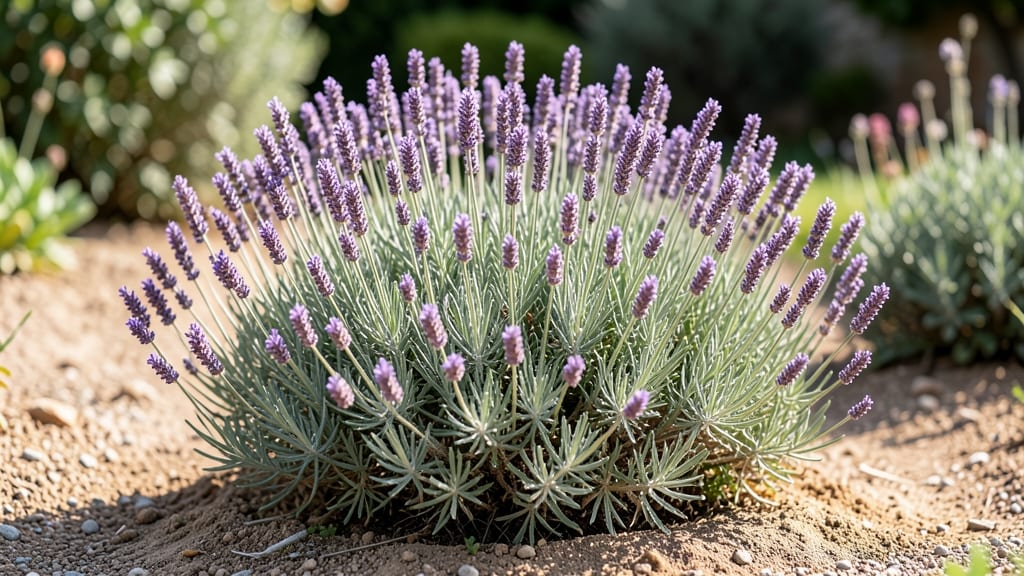
Wondering how tall do lavender grow in your garden? The answer might surprise you—some varieties stay as short as 8 inches, while others reach nearly 3 feet tall!
Whether you're planning a fragrant border or a privacy screen, knowing these height differences is key to creating the perfect lavender display.
Lavender's height varies dramatically between species like English lavender (which often hits 2-3 feet) and dwarf varieties like 'Lavender Lady' that barely top 12 inches. The good news?
You can control growth with simple pruning techniques and proper spacing, ensuring your plants stay just the right size for your vision. Let's break down what influences lavender height and how to get the perfect size for your space.
If you've ever struggled with overgrown lavender or wondered why some plants seem to stretch while others stay compact, you're not alone. Soil quality, sunlight exposure, and even your watering habits play a bigger role than you might think.
I'll show you exactly how to manage these factors so your lavender thrives at your desired height—whether that's a neat 1-foot hedge or a lush 3-foot backdrop.
Ready to transform your garden with fragrant, well-proportioned lavender? Let's explore the best varieties for your space and the secrets to keeping them at their ideal height—no guesswork required.

Lavender growth heights by variety: dwarf to giant size guide
Lavender plants offer a stunning range of heights, from compact dwarf varieties perfect for edging to tall giants that create dramatic privacy screens. Understanding these height variations helps you choose the perfect lavender for your garden design and space constraints.
Most lavender varieties fall into three main height categories: dwarf (under 12 inches), semi-dwarf (1-2 feet), and standard (2-3 feet). Your selection should align with both your garden layout and the mature size of the plant.
Here's a quick reference for how lavender grows based on variety, including their ideal uses in garden design:
English lavender (Lavandula angustifolia) typically stays between 18-24 inches tall, making it versatile for various garden designs. Spanish lavender (Lavandula stoechas) often reaches 12-18 inches and has a more compact growth habit.
For taller lavender varieties, look to Lavandula x intermedia hybrids, which can grow up to 3 feet tall. These varieties are excellent for creating natural hedges or privacy screens in larger gardens.
When planning your lavender garden, consider the spread of each variety as well as height. Many lavender plants spread 12-24 inches wide at maturity, so give them adequate space to prevent overcrowding and ensure proper airflow.
If you're growing lavender in containers, choose dwarf varieties like 'Hidcote' or 'Anouk' to maintain manageable sizes. These compact plants thrive in pots and can be easily moved to optimize sunlight exposure.
For pollinator gardens, taller varieties like 'Grosso' provide excellent nectar sources for bees while creating vertical interest. Place them toward the back of borders to let shorter plants shine in the foreground.
Remember that lavender height can vary slightly based on growing conditions, but these ranges give you a reliable starting point for planning your garden layout. With the right variety selection, you can create a lavender garden that's both functional and fragrant.
Factors that influence lavender height and how to control growth
Understanding what affects your lavender's height helps you shape your garden perfectly. Genetics play the biggest role—some varieties naturally stay dwarf-sized (8-12 inches), while others reach 3 feet or taller. But don’t overlook environmental factors like sunlight, soil, and even your local climate.
Full sun exposure is non-negotiable for lavender. 6-8 hours of direct sunlight daily ensures healthy growth, but poor lighting can stunt height and weaken stems. If your garden gets less sun, consider container gardening near a south-facing window or balcony.
Soil drainage is another critical factor. Lavender hates soggy roots—sandy or gravelly soil prevents waterlogging, while heavy clay can restrict root development and limit height. Amend your soil with perlite or coarse sand if needed.
⚠️ Overwatering Warning
Too much water causes lavender to grow tall but leggy, with weak stems that flop over. Water deeply but infrequently—aim for 1 inch of water every 7-10 days in warm months, even less in winter.
Signs of overwatering: Yellowing leaves, mold at the base, or stems that bend easily.
Pruning is your best tool to control lavender height and encourage bushier growth. Light pruning after flowering (late summer) keeps plants compact, while hard pruning in early spring can reduce height by up to 30%. Never cut into old wood—focus on new growth only.
For container-grown lavender, height stays naturally shorter due to root restriction. Choose dwarf varieties like 'Hidcote' or 'Munstead' for pots, and prune regularly to maintain shape. Terracotta pots help prevent overwatering, which is key for compact growth.
Climate also matters—cooler regions may see slightly shorter lavender, while hot, dry climates can push growth to its maximum potential. If you live in a humid area, improve airflow around plants to prevent fungal issues that weaken stems and reduce height.