
How To
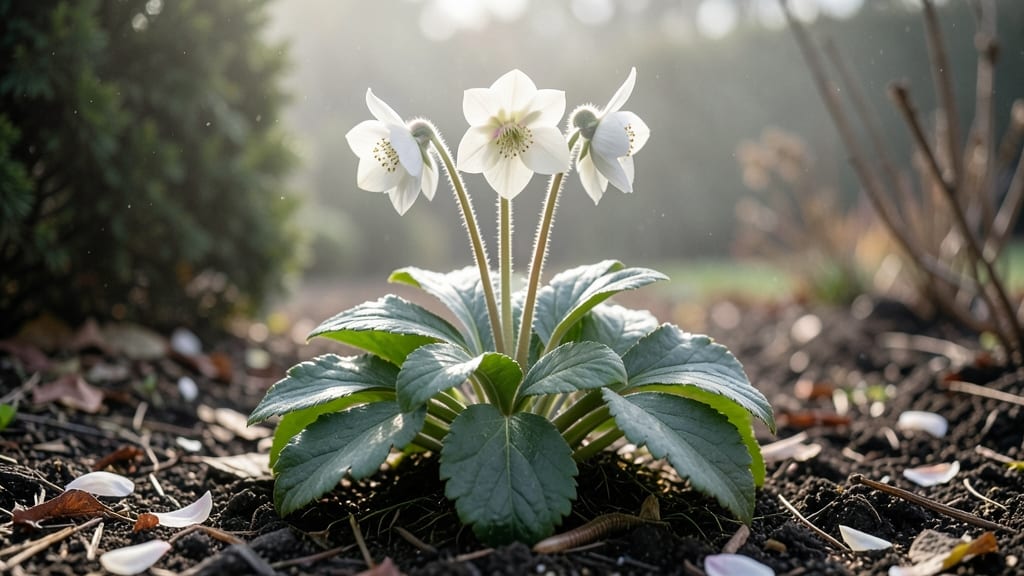
Wondering how tall do lenten roses grow before committing to planting? These charming 🌸 Lenten Roses (Helleborus) are perfect for gardeners with limited space—most varieties stay compact while delivering stunning winter blooms.
In USDA Zone 6a, you’ll typically find them reaching 1 to 2 feet at maturity, making them ideal for borders, containers, or shady garden corners. The key to their height lies in the cultivar—some stay under 1 foot, while others stretch toward 2 feet with proper care.
Whether you’re planning a fall planting or refreshing an existing garden, understanding their growth habits helps you place them perfectly. I’ll share how sunlight, pruning, and spacing influence their height—so you can enjoy these hardy perennials without overcrowding your space.
Let’s break down the height variations and care tips to keep your Lenten Roses thriving at their ideal size.

Lenten rose height range: from dwarf varieties to tall giants
Lenten roses (Helleborus) are famous for their compact, clump-forming habit, making them ideal for small gardens and shaded borders. Most varieties stay between 1 to 2 feet tall at maturity, though some hybrids can reach 3 to 4 feet under ideal conditions.
Understanding these height variations helps you plan your garden layout—whether you're creating a low border or a woodland-themed garden.
The growth rate of lenten roses is slow but steady. In their first year, expect 6 to 12 inches of growth, while mature plants may only add 2 to 4 inches annually.
This gradual growth means they’re perfect for long-term garden designs where you want low-maintenance, evergreen foliage with seasonal blooms.
Here’s how lenten rose heights break down by category:
| Variety Type | Mature Height | Growth Habit | Best For |
|---|---|---|---|
| Dwarf Varieties | 12–18 inches | Compact clumps | Containers, rock gardens |
| Standard Cultivars | 18–24 inches | Bushy, rounded | Borders, woodland gardens |
| Tall Hybrids | 30–48 inches | Upright stems | Back of borders, shaded shrub beds |
Sunlight exposure plays a key role in determining height. While lenten roses tolerate partial shade, those in bright, indirect light may grow slightly taller and produce more blooms.
In deep shade, they’ll stay shorter but may bloom less vigorously. For compact growth, plant them where they receive morning sun and afternoon shade.
Soil quality also affects height. Well-draining, rich organic soil encourages bushier growth, while poor or compacted soil can stunt their development. Amending your soil with compost or leaf mold before planting sets the stage for healthier, more compact plants. Avoid heavy clay, which can cause root rot and leggy growth.
Pruning can influence height, but lenten roses don’t require heavy pruning like some perennials. Instead, focus on deadheading spent blooms in early spring to encourage new growth.
If a plant becomes too tall or leggy, you can trim back up to one-third of the foliage after flowering, but avoid cutting into old wood, as this can harm the plant.
For gardeners with limited space, dwarf varieties like 'Winter Jewels' or 'HGC Winter Sun' are excellent choices, staying under 18 inches tall. These varieties thrive in containers, window boxes, or rock gardens, adding color without overwhelming your space.
Even in containers, they’ll rarely exceed 2 feet in height, making them versatile for patios and balconies.
If you’re designing a layered garden, place taller lenten roses (3–4 feet) at the back of borders or near trees, while dwarf varieties can edge pathways or brighten shaded corners.
Their evergreen foliage provides year-round structure, so height isn’t the only factor to consider—think about how they’ll fill gaps between seasons.
One common mistake is assuming all lenten roses stay under 2 feet. While most do, some newer hybrids (like 'Helleborus × sternii') can reach 3 feet or more.
Always check the specific variety’s cultivar description before purchasing to match your garden’s scale. For example, 'Pink Frost' stays compact, while 'Royal Heritage' may need more space.
To maximize bloom size and control height, fertilize lightly in early spring with a balanced 10-10-10 fertilizer. Avoid over-fertilizing, which can lead to excessive leafy growth at the expense of flowers. A light feeding in fall also supports root development for next year’s growth.
Lenten rose height range: from dwarf varieties to tall giants
Most lenten roses (Helleborus) stay compact, typically reaching 1 to 2 feet tall at maturity. These clump-forming perennials grow slowly—expect 1 foot in their first year and gradual increases each spring. Their low, mounded shape makes them ideal for borders or woodland gardens, where they thrive under tree canopies.
While the average lenten rose peaks around 2 feet, some taller hybrids can stretch to 3–4 feet when given ideal conditions. These varieties often produce larger blooms but require more space.
For example, Helleborus 'Royal Heritage' can reach 3 feet with proper care, while 'Winter Sun' stays under 18 inches.
| Variety Type | Mature Height | Growth Rate | Best For |
|---|---|---|---|
| Dwarf | 12–18" | Slow (1" per year) | Containers, rock gardens |
| Standard | 18–24" | Moderate (2" per year) | Borders, shade gardens |
| Tall Hybrids | 30–48" | Fast (3" per year) | Woodland edges, mass plantings |
Your lenten rose's height depends on three key factors: cultivar selection, sunlight exposure, and soil fertility. For instance, partial shade (3–4 hours of morning sun) encourages bushier, shorter growth, while full sun can stretch stems.
Well-draining, rich soil with organic matter also promotes compact clumps rather than leggy stems.
If you’re planting near taller perennials (like hostas or ferns), choose dwarf varieties to avoid crowding. For example, 'Winter Jewels' stays under 16 inches, while 'HGC Winter Sun' reaches 18 inches—both perfect for container gardening.
Even in containers, these plants rarely exceed their mature height if pruned lightly after blooming.
Pruning plays a minor role in height control—never cut back the leathery foliage (it stores energy for next year’s blooms). Instead, remove spent flower stalks in early spring to redirect energy to leaf growth. This keeps plants neat and proportional without sacrificing future blooms.
For maximum bloom size (not height), focus on consistent moisture and balanced fertilization. Over-fertilizing can lead to excessive foliage at the expense of flowers, while underwatering stresses plants, stunting growth. Aim for 1 inch of water weekly during the growing season, and mulch heavily in winter to protect roots.