
How To
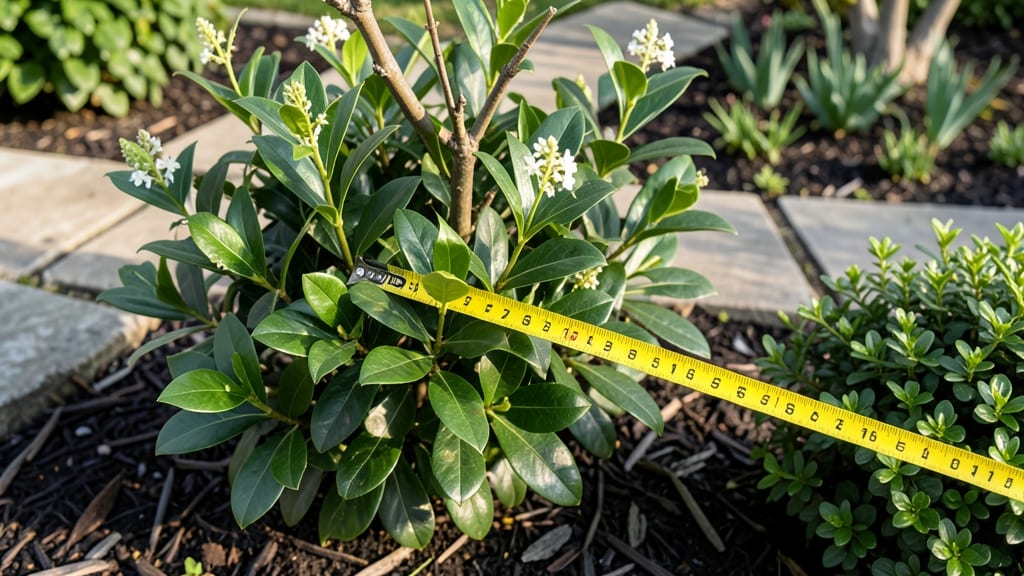
Curious about how tall your ligustrum 🌿 could grow if left unchecked? The answer might surprise you—some varieties reach towering heights of 20 feet, while others stay compact enough for small gardens.
Knowing this upfront helps you plan your landscape without ending up with an overgrown shrub that crowds out your favorite plants.
Ligustrum isn’t just one-size-fits-all—different types grow at wildly different rates. Some, like the common privet (Ligustrum vulgare), can shoot up quickly, while others, such as dwarf varieties, stay neatly trimmed at just 3-6 feet.
The key to keeping it manageable lies in understanding your specific variety and when to prune.
If you’re dreaming of a neat hedge or privacy screen, controlling height is everything. I’ll break down the best pruning techniques to shape your ligustrum exactly how you want—whether that means keeping it short for a manicured look or letting it grow tall for a natural barrier. Let’s get started!
From fast-growing giants to slow-and-steady shrubs, ligustrum offers versatility for any garden. The trick is knowing how to guide its growth from the start. Ready to learn how to keep your ligustrum in check without sacrificing its beauty?

Ligustrum height by variety: how tall different types grow naturally
Ligustrum shrubs are popular for their dense foliage and fast growth, but their mature height varies widely depending on the variety and growing conditions. If you're planning a hedge or privacy screen, knowing these differences helps you choose the right type for your space.
Some varieties stay compact, while others can reach tree-like proportions if left unchecked.
For example, Ligustrum vulgare (common privet) is one of the tallest, often growing 15-20 feet tall with a 10-15 foot spread. This makes it ideal for large properties or windbreaks, but it may overwhelm smaller gardens.
On the other hand, Ligustrum sinense (Chinese privet) typically maxes out at 10-12 feet, offering a more manageable option for urban landscapes or backyard hedges.
Here’s a quick comparison to help you visualize how these varieties stack up in your garden:
| Variety | Mature Height (ft) | Spread (ft) | Growth Rate | Best For |
|---|---|---|---|---|
| Ligustrum vulgare (Common Privet) | 15-20 ft | 10-15 ft | Fast | Privacy screens, windbreaks |
| Ligustrum sinense (Chinese Privet) | 10-12 ft | 8-10 ft | Moderate | Hedges, urban landscapes |
| Ligustrum lucidum (Glossy Privet) | 12-15 ft | 10-12 ft | Slow to Moderate | Specimen plants, formal gardens |
| Ligustrum japonicum (Japanese Privet) | 6-10 ft | 5-8 ft | Slow | Dwarf hedges, containers |
| Ligustrum ovalifolium (Japanese Privet Dwarf) | 3-6 ft | 3-5 ft | Very Slow | Small gardens, bonsai |
If you're working with limited space, dwarf varieties like Ligustrum ovalifolium are perfect for containers or small hedges, topping out at just 3-6 feet. These are great for balconies, patio borders, or even indoor gardening with enough light.
Meanwhile, standard varieties like Ligustrum vulgare are better suited for rural properties or large estates where height isn’t a concern.
Another factor to consider is regional climate. Ligustrum grows faster in warmer zones (USDA 7-10) due to longer growing seasons, while in cooler climates (USDA 5-6), growth may slow slightly, especially in the first few years.
This can affect how quickly your shrub reaches its mature height, so plan accordingly if you're in a shorter growing season area.
For fast results, Ligustrum vulgare and Ligustrum sinense are top choices, as they can add 3-5 feet of height per year under ideal conditions. However, if you prefer low-maintenance growth, Ligustrum lucidum offers a balance with moderate height and glossy foliage that adds elegance to any landscape.
Pairing the right variety with proper pruning ensures your ligustrum stays within your desired height limits while thriving.
When selecting a ligustrum, also consider its intended use. For privacy screens, taller varieties like Ligustrum vulgare create an impenetrable barrier, while semi-dwarf types (6-10 feet) work well for foundation plantings or border hedges.
Always measure your space before planting to avoid outgrowing your garden in just a few years.
🌿
Pruning techniques to control ligustrum height and shape
Pruning is the easiest way to keep your ligustrum shrubs at your desired height. Since these plants grow rapidly, regular maintenance ensures they don’t outgrow their space. The key is timing—prune at the right season and use the correct techniques to avoid stressing the plant.
For most varieties, late winter or early spring (just before new growth begins) is ideal. This encourages healthy, vigorous growth while removing dead or weak branches. If you need to shape your ligustrum during the growing season, do it lightly to avoid overstressing the plant.
Here’s how to prune effectively, whether you’re maintaining a hedge, shaping a screen, or keeping a single specimen compact:
- ✂️ Sharp bypass pruners for clean cuts
- 🪴 Loppers for thicker branches
- 🧤 Gloves to protect from thorns
- 🧼 Disinfectant to clean tools between cuts
Cut these out first, down to the main stem. This improves airflow and plant health.
For height control, trim the topmost branches by 1/3 to encourage bushier growth. For hedges, use a string guide to keep lines straight.
Remove crossing or inward-growing branches to reduce disease risk and improve sunlight penetration.
Rake up clippings to prevent pests or diseases from lingering. Bag them for compost or disposal.
If your ligustrum is already too tall, don’t panic. You can gradually reduce its height over 2-3 years by pruning 1/3 of the height each year. For example, if it’s 15 feet tall and you want it at 8 feet, aim to trim 5 feet over three seasons.
For dwarf varieties, like Ligustrum sinense 'Little Miss Sunshine', pruning is minimal—just light shaping after flowering to maintain compactness. Always prune just above a leaf node to encourage new growth in the right direction.
With consistent pruning, your ligustrum will stay healthy, dense, and perfectly sized for your garden’s needs. 🌿