
How To
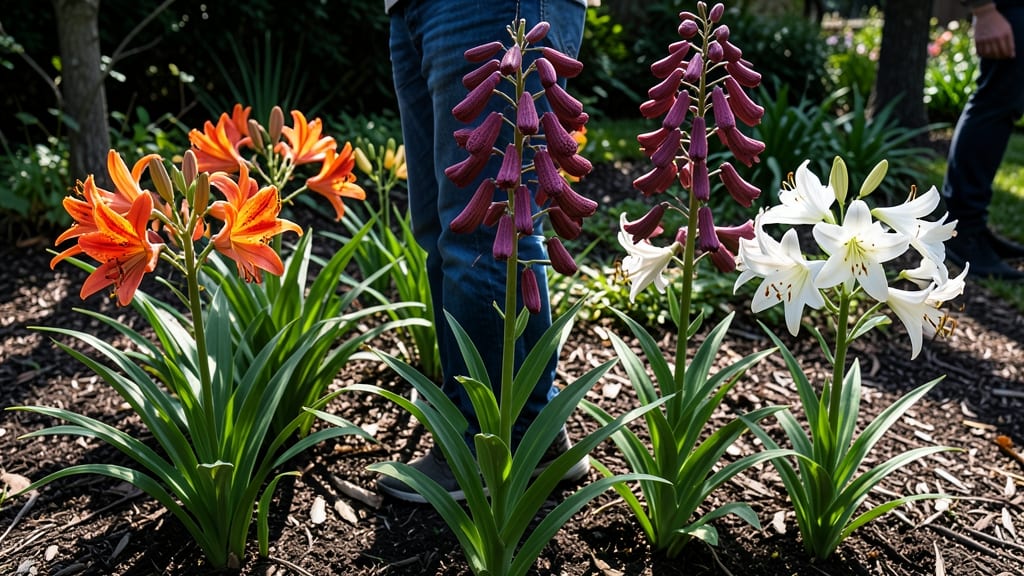
If you're dreaming of adding dramatic height to your garden but aren't sure how tall lilies grow, you're in the right place. These stunning blooms can range from just 12 inches to towering 6 feet—depending on the variety you choose.
Whether you're working with a cozy patio or a sprawling backyard, knowing the mature size of lilies is the first step to creating a show-stopping display.
Some lilies, like the delicate Asiatic types, stay compact and perfect for borders or containers, while others, such as the majestic Oriental lilies, reach impressive heights that command attention. The key to success?
Understanding which varieties fit your space and how to support them as they grow. Let’s break down the exact heights you can expect and how to keep those stems steady.
Gardeners often overlook the importance of staking for taller lilies, but it’s a game-changer for preventing flopping stems and wind damage. Even dwarf varieties benefit from proper care to maintain their petite stature.
By the end of this guide, you’ll know exactly which lilies to plant where—and how to give them the support they need to thrive.
Ready to transform your garden with these eye-catching perennials? Whether you're a seasoned gardener or just starting out, this guide will help you choose the perfect lilies for your space and keep them looking their best all season long.

Lily height ranges by type: from dwarf to giant varieties
If you're planning your garden layout, knowing exactly how tall different lilies grow is essential. Some varieties stay compact enough for containers, while others reach towering heights that need sturdy supports.
The mature size of a lily depends heavily on its species and variety, with heights ranging from just 12 inches to over 6 feet. Let's break down the most popular types so you can choose the perfect fit for your space.
First, let's tackle the giants. Oriental lilies often top the charts, frequently reaching 4 to 6 feet tall.
Their dramatic blooms make them showstoppers, but their height means they need strong stakes and plenty of space. Trumpet lilies, including the iconic Lilium regale, can also hit 5 to 6 feet, with some varieties even exceeding that mark in ideal conditions.
Now, let's look at the summary table below for a quick visual comparison of mature heights across popular lily types. This will help you visualize how each variety fits into your garden design and whether they'll need support structures.
| Variety | Mature Height | Spacing Needs | Notes |
|---|---|---|---|
| Asiatic Lilies | 2–4 ft | 12–18 in apart | Early bloomers; great for borders |
| Oriental Lilies | 4–6 ft | 18–24 in apart | Fragnant blooms; needs staking |
| Trumpet Lilies | 5–6 ft | 24 in apart | Drought-tolerant; deer-resistant |
| Martagon Lilies | 2–3 ft | 12–18 in apart | Wood lily; shade-tolerant |
| Daylilies (Hemerocallis) | 1–3 ft | 12–24 in apart | Not true lilies; prolific bloomers |
| Candidum Lilies | 3 ft | 12–18 in apart | Fragrant; late summer blooms |
| Dwarf Asiatics | 12–18 in | 6–12 in apart | Perfect for containers |
| Stargazer Lilies | 4–5 ft | 18–24 in apart | Vibrant colors; needs support |
For gardeners with limited space, dwarf lilies like Lilium 'Little Boy' (12–18 inches) or Lilium 'Pink Perfection' (18–24 inches) are excellent choices. These compact varieties thrive in containers, window boxes, or as border plants.
Their smaller stature also means they require less staking, making them ideal for beginners or urban gardeners.
On the other hand, if you're aiming for a dramatic focal point, Oriental hybrids like Lilium 'Casa Blanca' or Lilium 'Stargazer' will deliver stunning results. However, their 5 to 6 feet height means you'll need to plan for sturdy supports and adequate spacing.
These varieties also benefit from planting in groups to create a bold visual impact.
When choosing lilies, consider not just their height but also their growth habits. Some varieties, like Asiatic lilies, have a more upright growth pattern, while others, such as Oriental lilies, may lean or flop without proper
When and how to stake tall lilies for maximum stability
Tall lilies—especially those reaching 4 feet or taller—often need support to prevent flopping or snapping in wind or rain. Staking isn’t just for show; it’s a critical care step for varieties like Oriental lilies or Trumpet lilies, which can top 6 feet in ideal conditions.
Without proper support, their heavy blooms can cause stems to bend or break, ruining their dramatic appearance.
I’ve learned the hard way that waiting until stems are already leaning is too late. The best time to stake is early in the season, ideally when the stems are 12–18 inches tall but still flexible.
This gives the stakes time to settle into the soil while the plant grows around them naturally. For heavy bloomers, I use metal or bamboo stakes—bamboo is lightweight and blends into the garden, while metal stakes offer sturdier support for windy areas.
Step-by-Step Staking Guide for Tall Lilies
- Choose the right stakes: Use 3–4 ft stakes for lilies under 4 ft tall, and 5–6 ft stakes for giants like Lilium regale. Avoid plastic—it can degrade in sunlight.
- Insert stakes gently: Place stakes 2–3 inches away from the stem (not touching) to avoid restricting growth. Push them halfway into the soil at planting for stability.
- Tie stems loosely: Use soft garden twine or fabric strips (never wire). Tie stems to stakes at two points: mid-stem and near the top. Avoid tightening too much—stems should still sway slightly.
- Monitor and adjust: Check ties every 2–3 weeks to ensure they’re not cutting into the stem. Loosen if the lily outgrows the stake—add a second stake if needed.
For wind-prone gardens, I recommend double-staking: insert two stakes on opposite sides of the stem and tie them together at the top. This creates a triangle of support that’s far more stable than a single stake.
If you’re growing lilies in containers, use tomato cages or flexible wire spirals for a less obtrusive look.
Timing is everything—don’t wait until the buds form! Stems weaken as they approach bloom time, making them more prone to damage. Pro tip: If you’re unsure whether a variety needs staking, check its mature height and stem thickness.
Thin stems (under ½ inch wide) almost always need support, while thicker stems can often stand alone.
Even with staking, some lilies may still flop under heavy blooms. If this happens, I’ve had success using soft plant ties to secure the flower stalk to the stake, keeping the bloom upright.
Just be gentle—you don’t want to snap the delicate stem! With the right support, your tall lilies will stand proud all season long.
🌿