
How To
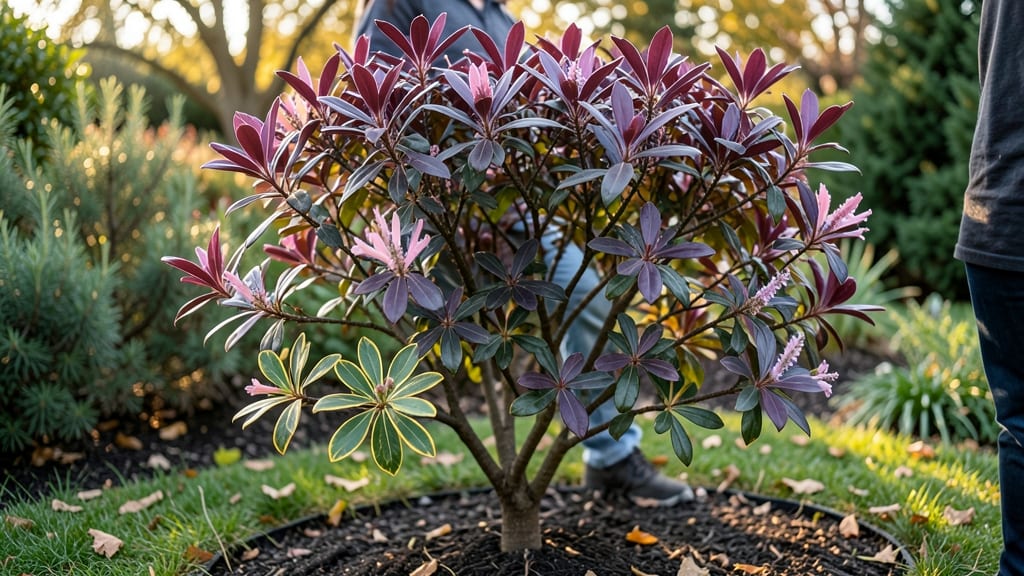
Wondering how tall do loropetalum grow in your garden? These stunning shrubs can range from 3 feet to over 10 feet, depending on the variety you choose.
Whether you're planning a cozy border or a bold privacy screen, understanding their growth habits is the key to making them work for your space.
With their vibrant foliage and low-maintenance nature, loropetalum 🌿 are a favorite among gardeners—but not all varieties play by the same rules. Some stay compact, perfect for small yards or containers, while others reach towering heights, ideal for creating dramatic focal points.
The secret lies in selecting the right type for your needs.
From the petite 'Purple Pixie' that stays under 3 feet to the robust 'Tomentosa' varieties that can stretch toward the sky, we'll break down exactly what to expect.
Plus, I'll share tips to control their growth so you can keep them at your desired height—no matter how big (or small) you want them to be.
Ready to transform your landscape with these versatile shrubs? Let's dive into the details so you can plant with confidence and enjoy their beauty for years to come.

Loropetalum height by variety: compact vs. tall options compared
Choosing the right loropetalum variety depends entirely on your garden's size and design goals. These shrubs range from dwarf ground covers to tall privacy screens, making them incredibly adaptable.
The key is selecting a cultivar that matches your space—whether you're working with a small urban patio or a large landscape backdrop. Let's break down the most popular varieties and their mature heights to help you decide.
For small gardens, varieties like 'Purple Pixie' stay under 3 feet tall, while 'Little Red' reaches just 2-3 feet. These are perfect for container gardening or as colorful border plants.
On the other end of the spectrum, 'Plum Delight' and 'Razzle Dazzle' can grow 6-8 feet tall, making them ideal for privacy hedges or backyard focal points.
Here’s a quick comparison of the most common loropetalum varieties and their mature heights to help you visualize their potential in your garden:
| Variety | Mature Height (ft) | Best For | Notes |
|---|---|---|---|
| 'Purple Pixie' | 1.5–3 ft | Containers, borders | Dwarf, compact, purple foliage |
| 'Little Red' | 2–3 ft | Ground cover, small gardens | Red leaves, slow-growing |
| 'Plum Delight' | 6–8 ft | Privacy screens, hedges | Deep purple foliage, upright growth |
| 'Razzle Dazzle' | 5–7 ft | Specimen plants, mixed borders | Pinkish-red foliage, dense habit |
| 'Yoda' | 4–6 ft | Medium hedges, foundation planting | Unique twisted branches, burgundy leaves |
| 'Hot Rod' | 3–5 ft | Containers, small hedges | Bright red foliage, compact |
When selecting a loropetalum variety, consider not just height but also growth habit. Some, like 'Yoda', have twisted branches that add architectural interest, while others like 'Purple Pixie' grow in a mounded shape, perfect for container gardens.
If you're aiming for a formal hedge, choose a variety with a dense, upright growth habit, such as 'Plum Delight'.
One of the most exciting features of loropetalum is its year-round color. Even the dwarf varieties like 'Little Red' offer vibrant foliage that brightens up winter landscapes. For maximum color impact, plant taller varieties like 'Razzle Dazzle' as backdrop plants behind lighter-colored perennials.
This creates a stunning layered effect that draws the eye and adds depth to your garden.
If you're unsure about loropetalum growth rates, remember that these shrubs typically grow 1-2 feet per year under ideal conditions. In container gardens, growth may be slightly slower due to root restriction, but regular pruning can encourage a fuller, bushier shape.
For fastest growth, ensure your plants receive full sun to partial shade and well-draining soil.
Another factor to consider is climate impact. In warmer USDA zones (7-9), loropetalum thrives with minimal care, often reaching its mature height faster than in cooler zones (6-7).
If you're in a colder region, opt for hardier varieties like 'Yoda' or 'Hot Rod', which tolerate light frost better than others.
For urban gardeners with limited space, container-growing loropetalum is a game-changer. Dwarf varieties like 'Purple Pixie' can thrive in 15-gallon pots, while 'Little Red'
Best landscaping uses for loropetalum by height range
Loropetalum’s height range—from 1-foot dwarf varieties to 10-foot tall shrubs—makes it incredibly versatile for creative landscaping. Whether you’re working with a small urban patio or a sprawling backyard, there’s a perfect spot for these colorful, low-maintenance shrubs.
The key is matching the variety’s mature size to your design goals.
For small gardens or containers, dwarf loropetalum like 'Purple Pixie' (3–4 feet) thrives as a border plant or patio focal point. Its compact growth habit and vibrant foliage add instant color without overwhelming tight spaces.
In contrast, taller varieties like 'Yoda' (8–10 feet) excel as privacy screens or backyard hedges, offering year-round interest.
- 1–3 ft: Container plants, window boxes, or edging for pathways
- 3–5 ft: Foundation plantings, mixed borders, or small hedges
- 5–7 ft: Mid-height hedges, understory plants for trees, or privacy barriers
- 7–10 ft: Tall hedges, focal shrubs, or backdrop for perennials
Pro tip: Use multiple heights in layers for depth and texture!
One of my favorite ways to use loropetalum is as a seasonal accent plant. While its foliage colors (purple, red, or chartreuse) shine year-round, the spring blooms add a delicate touch. Plant it near evergreens for winter contrast or pair it with spring bulbs like daffodils for early-season color.
If you’re designing a low-maintenance garden, loropetalum’s drought tolerance and adaptability make it a standout choice. Unlike fussy shrubs, it thrives in partial shade or full sun, reducing the need for constant adjustments.
For example, 'Plum Delight' (5–6 feet) works beautifully in shady garden corners where other plants struggle.
For a modern or cottage-style garden, consider using loropetalum as a specimen shrub. Its unique foliage textures and bold colors draw the eye, making it a conversation starter.
Place it near a water feature or stone pathway to highlight its architectural form. Even in urban landscapes, its air-purifying qualities add value beyond aesthetics.
Remember, loropetalum’s height isn’t fixed—pruning in late winter can shape it to fit your space perfectly. Whether you’re aiming for a neat hedge or a wild, natural look, this shrub adapts beautifully.
Start small with a dwarf variety in a pot, or go bold with a tall hedge for privacy—your garden will thank you for the flexibility!