
How To
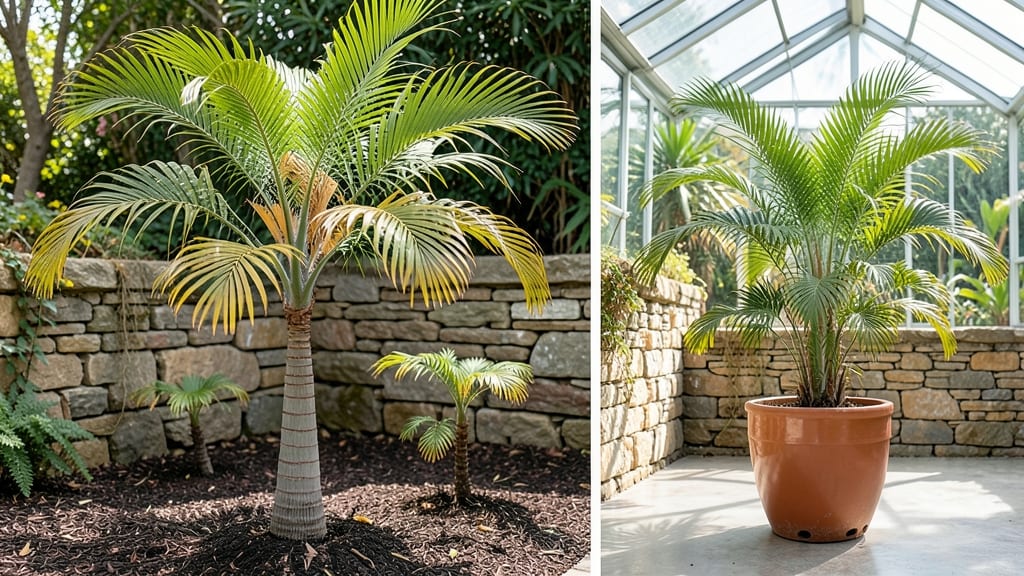
If you're wondering how tall do Madagascar palms grow, you're not alone—this tropical beauty can be both a stunning centerpiece and a space hog, depending on the variety and care.
The 🌴 Madagascar Palm (Dypsis lutea) can reach heights of 15 to 30 feet outdoors in ideal conditions, but some dwarf varieties stay under 10 feet, making them perfect for patios or indoor spaces.
What most people don’t realize is that height isn’t just about the plant—it’s about where you grow it. In USDA Zone 9b, these palms thrive year-round, but indoor growth is slower due to limited light and space.
With the right care, you can control their size, whether you want a towering tropical giant or a manageable houseplant.
Ready to unlock the secrets? I’ll break down the height ranges by variety, how to manage growth with pruning and sunlight, and even whether they can thrive in your apartment. Let’s get started!
From compact varieties for small spaces to fast-growing giants for large gardens, there’s a Madagascar palm for every setup. Discover how to nurture yours to its full potential—or keep it small—without sacrificing its lush, tropical charm.

Madagascar palm height limits by variety: from dwarf to towering giants
Madagascar palms (Dypsis spp.) are famous for their striking, arching fronds and adaptability, but their mature height can vary wildly—from compact patio plants to towering 30-foot giants. The key to predicting your palm’s height lies in its variety, growing conditions, and how you care for it.
Some species grow 3 feet per year in ideal settings, while others creep along at just 6 inches annually. Let’s break down the most popular types and what to expect from each.
If you’re short on space, dwarf varieties like Dypsis decaryi (also called the angel wing palm) are your best bet, topping out at 6–10 feet in containers. Meanwhile, the golden cane palm (Dypsis lutescens) can reach 20–30 feet outdoors, making it a statement piece for large yards.
The difference often comes down to sunlight exposure, soil quality, and whether you’re growing them in containers or in-ground.
| Variety | Mature Height (Outdoor) | Growth Rate (Annual) | Ideal Conditions |
|---|---|---|---|
| Golden Cane Palm (Dypsis lutescens) | 15–30 ft | 12–24 in | Full sun, well-draining soil |
| Angel Wing Palm (Dypsis decaryi) | 6–10 ft (container-friendly) | 6–12 in | Partial shade, moist soil |
| Bamboo Palm (Dypsis cabadae) | 10–15 ft | 12–18 in | Bright indirect light, humid conditions |
| Slow-Growing Dwarf (Dypsis madagascariensis) | 8–12 ft | 3–6 in | Partial shade, consistent moisture |
| Triangular Palm (Dypsis fibrosa) | 12–20 ft | 12–18 in | Full sun, warm climates |
Height varies with container size, pruning, and care.
One common misconception is that all Madagascar palms grow at the same rate. In reality, Dypsis lutescens (golden cane) can shoot up 2 feet per year in USDA Zone 10+, while slower varieties like Dypsis madagascariensis might only add 3–6 inches annually.
If you’re in a cooler climate (Zones 9–10), expect growth to slow down significantly unless you provide winter protection like mulch or frost cloth.
For container-grown palms, height is directly tied to pot size. A 5-gallon container will keep a golden cane palm under 10 feet, while a 15-gallon pot can push it toward 15 feet over 5 years.
The trick is to repot every 2–3 years to accommodate root growth. If you skip this, your palm’s height will stall as roots become root-bound, limiting nutrient uptake.
Light plays a surprising role in height control. While most palms thrive in full sun (6+ hours daily), partial shade (3–6 hours) can slow growth by up to 50%.
For example, a golden cane palm in bright indirect light might only reach 12 feet instead of 20 feet. If you’re growing palms indoors near a south-facing window, expect even slower growth—typically 3–6 inches per year—unless you supplement with grow lights.
Soil type also impacts height. Well-draining, sandy loam encourages faster growth, while clay-heavy soil can stunt a palm by causing root rot or nutrient deficiencies. Amend your soil with compost or perlite to improve drainage, especially in heavy rainfall climates.
I’ve seen golden cane palms in poorly drained soil grow just 6 inches in a year compared to 2 feet in the same variety with amended soil.
If you’re planning for a small-space garden, focus on Dypsis decaryi or Dypsis cabadae. These stay under 10 feet in containers and thrive in patio pots or courtyard planters.
For larger yards, the golden cane palm is unbeatable for creating a tropical canopy, but be prepared to prune regularly to manage its height and shape. Even in ideal conditions, most palms take 5–10 years to reach their full mature height.
Pro tip: If you’re buying a young Madagascar palm, check the trunk diameter. A thicker trunk (3+ inches) usually means faster growth, while thin trunks (<1 inch) indicate slower varieties. Pair this with the right fertilizer (balanced 5-5-5 NPK) in spring and fall, and you’ll
How to control Madagascar palm height: pruning, light, and soil secrets
One of the biggest misconceptions about Madagascar palms is that their height is purely genetic—but the truth is, you can influence growth dramatically with the right techniques. Whether you want a compact patio palm or a towering tropical statement piece, understanding pruning strategies and environmental triggers is key.
Let’s break down how to manage your palm’s height like a pro.
First, pruning for height control isn’t about cutting the top off like you’d trim a hedge. Instead, focus on removing dead or yellow fronds at the base—this redirects energy to upward growth.
For dwarf varieties, prune aggressively in early spring to encourage bushier, slower growth. But beware: cutting into the grown trunk can permanently stunt your palm.
Light plays an even bigger role in height control than most gardeners realize. Madagascar palms crave bright, indirect light—think morning sun with afternoon shade. In low-light conditions, growth slows dramatically, and fronds may become sparse.
But too much direct afternoon sun can scorch leaves and accelerate height growth uncontrollably, leading to weak, leggy stems.
Soil amendments are your secret weapon for managing growth. Amend your well-draining soil with organic matter like compost or coconut coir to encourage slower, stockier growth.
For faster height gain, add a balanced fertilizer (5-5-5) in spring and fall—but skip it in summer to avoid sunburn risk from rapid new growth.
If you’re growing your palm in a container, root-bound conditions can also stunt height growth. Repot every 2-3 years into a slightly larger pot with fresh palm-specific potting mix.
And here’s a pro tip: Rotate your container every few months to ensure even light exposure, which prevents lopsided growth.
For indoor growers, height control is even more critical. Place your palm near a south-facing window for maximum light, but avoid drafty spots. If your palm starts reaching toward the light, it’s begging for more brightness—consider a grow light to keep it compact and healthy.
With the right balance of light, pruning, and soil care, you can keep even the fastest-growing varieties in check.