
Plants
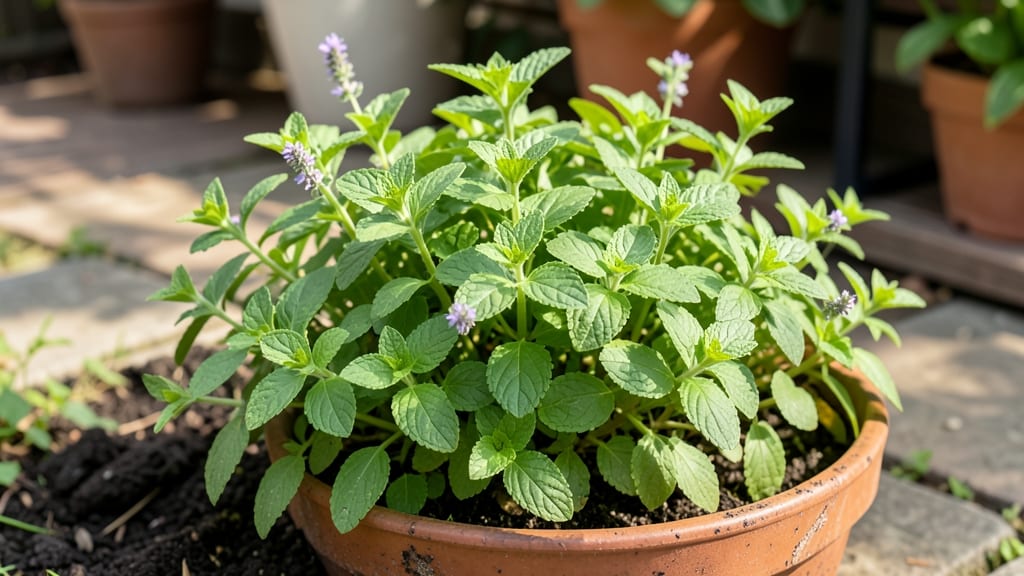
If you’ve ever planted mint thinking it’d stay put—only to watch how tall do mint plants grow and spread like a garden takeover—you’re not alone.
This hardy herb can reach anywhere from 12 to 36 inches tall, but its real challenge is the aggressive roots that creep sideways, invading every inch of space.
Understanding how tall mint plants grow and how to manage their spread is the first step to keeping your garden both lush and orderly.
The good news? With the right approach, you can enjoy fresh 🌿 mint without sacrificing your other plants. Whether you’re working in USDA Zone 6a or just starting your spring garden, knowing the height differences between varieties like spearmint and peppermint—and how to control them—makes all the difference.
Let’s dive into the secrets of spacing and pruning to keep your mint in check.
Most mint varieties hit their mature height between 2 and 3 feet, but their horizontal spread is what truly demands attention. Without intervention, those roots can stretch 3 feet or more in a single season, turning your neatly planned garden into a mint jungle.
The key to success? Strategic planting, regular harvesting, and a few clever containment tricks.
Ready to reclaim your garden? I’ll walk you through the best ways to manage mint’s growth—from choosing the right containers to mastering pruning techniques—so you can enjoy this versatile herb without the chaos. Let’s get started!

How tall mint plants grow: height, spread, and varietal differences
Mint plants typically reach heights between 12 to 36 inches when mature, but their horizontal spread is often the bigger challenge. Unlike many herbs, mint grows aggressively through underground runners, which can quickly turn a single plant into a dense patch if not controlled.
This dual growth pattern—vertical stems and sprawling roots—makes mint both a productive herb and a garden takeover artist.
Understanding these growth habits is essential for planning your garden layout. For example, peppermint tends to grow taller (up to 3 feet) with a wider spread, while spearmint often stays shorter (around 18–24 inches) but spreads just as aggressively.
Varieties like chocolate mint or pineapple mint may have slightly different growth patterns, but all share the same invasive tendencies.
The key to managing mint’s height lies in its growth cycle. In their first year, mint plants focus on establishing roots and may only reach 6–12 inches. By their second year, they can double in height and spread, especially if given rich soil and consistent moisture.
Without intervention, a single mint plant can easily dominate a 4-foot diameter area within a season.
| Variety | Height Range | Spread Potential | Key Notes |
|---|---|---|---|
| Peppermint | 24–36 inches | 3–4 feet | Tallest variety; strong aroma |
| Spearmint | 18–24 inches | 2–3 feet | More compact; milder flavor |
| Chocolate Mint | 12–24 inches | 2–3 feet | Sweet flavor; slower spread |
| Pineapple Mint | 18–30 inches | 3 feet | Fruity scent; aggressive spread |
All varieties require containment to prevent garden takeover 🌿
If you’re planning to grow mint in your garden, spacing is critical. Planting mint 12–24 inches apart gives you a buffer zone, but even this distance may not stop the roots from creeping into neighboring plants.
The underground runners can extend up to 5 feet from the parent plant, making it essential to use physical barriers like root barriers or containers if you want to keep mint in check.
Another factor influencing mint’s height is light exposure. While mint thrives in partial shade, too much direct sunlight can make plants grow taller and leggier as they stretch toward shade.
Conversely, low-light conditions may result in shorter, bushier growth but can also weaken the plant’s flavor. Aim for 4–6 hours of morning sun to balance height and vigor.
Regular pruning and harvesting also play a role in controlling mint’s height. Pinching back the top growth encourages the plant to branch out, creating a fuller, shorter bush instead of a tall, spindly stem.
This technique not only manages height but also boosts leaf production, giving you more harvests throughout the season.
For those growing mint in containers, height is less of an issue since the roots are naturally contained. However, even potted mint can reach 24–30 inches if the container is large enough (at least 12 inches deep).
Smaller pots will restrict both height and spread, but they also limit the plant’s overall productivity. Balance container size with your desired harvest yield.
One common misconception is that mint’s height is solely determined by genetics. While variety does play a role, environmental factors like soil fertility, water availability, and pruning habits can significantly alter growth patterns.
For example, over-fertilizing with nitrogen can lead to rapid, unchecked growth, while poor drainage may stunt the plant’s development. Always use a balanced fertilizer (like 10-10-10) and ensure well-draining soil to promote healthy, controlled growth.
Finally, if you’re growing mint for culinary or medicinal purposes, timing your harvest is key. The best time to harvest mint is when the plant is 6–12 inches tall and has fully developed leaves.
Harvesting at this stage encourages the plant to stay compact and bushy, rather than growing tall and woody. Regular harvesting also prevents mint from flowering, which can reduce its potency and flavor.
By understanding how tall mint plants grow—and the factors that influence their size—you can enjoy a productive herb garden without
How tall mint plants grow: height, spread, and varietal differences
Mint plants typically grow between 12 to 36 inches tall, but their real challenge comes from their aggressive horizontal spread. While the vertical height might seem manageable, mint’s underground runners can spread 5 to 7 feet per year if unchecked.
This makes understanding your mint’s growth habits essential for planning your garden layout.
Not all mint varieties reach the same height or spread rate. For example, peppermint tends to grow taller (up to 36 inches) and spread more aggressively than spearmint, which usually tops out at 24 inches.
Even chocolate mint follows a similar growth pattern, though it may be slightly more compact. Knowing these differences helps you choose the right variety for your space.
| Variety | Height Range | Spread Potential | Growth Habit |
|---|---|---|---|
| Peppermint | 18–36 inches | 5–7 feet/year | Upright, aggressive |
| Spearmint | 12–24 inches | 3–5 feet/year | Bushy, moderate |
| Chocolate Mint | 12–24 inches | 3–5 feet/year | Compact, bushy |
The vertical growth of mint is influenced by sunlight, soil quality, and pruning habits. In full sun, mint can grow taller but may produce fewer leaves. However, in partial shade (which mint prefers), it tends to stay bushier and more manageable.
The key to controlling its height lies in regular pruning—cutting back stems to 6 inches encourages thicker growth and prevents legginess.
Mint’s horizontal spread is driven by its rhizomes, which are underground stems that produce new shoots. These runners can break through soil barriers if not contained, making mint a prime candidate for container gardening or raised beds.
Even in the ground, planting mint in a deep pot sunk into the soil can limit its spread while still allowing access to roots.
If you’re planning your garden layout, consider spacing mint plants 12 to 24 inches apart in containers or raised beds. This gives you enough room to harvest without encouraging the plant to spread uncontrollably.
For in-ground planting, use a root barrier (like buried plastic or metal) to contain the rhizomes and protect other plants from invasion.
Understanding these growth patterns helps you enjoy fresh mint without losing control. Whether you’re growing it for teas, cocktails, or cooking, managing its size ensures your garden stays both productive and orderly. With the right approach, you can keep mint at a manageable height while still enjoying its vibrant flavor.